


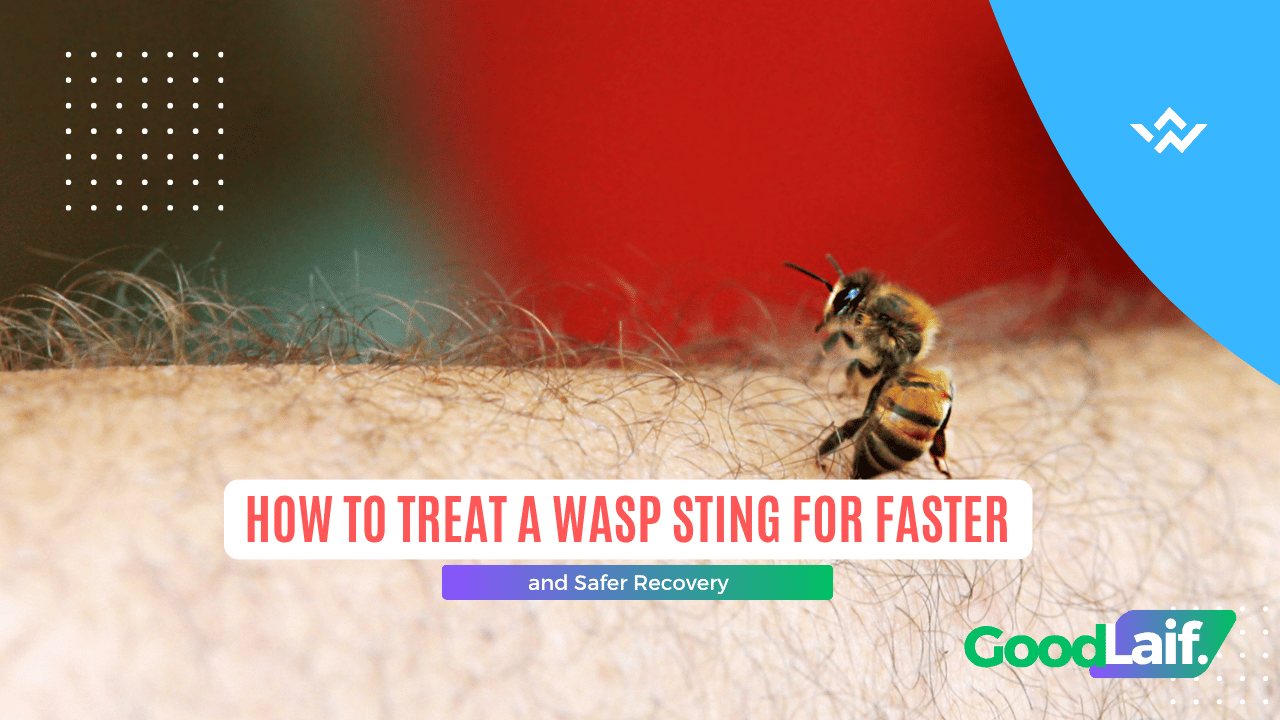
Have you ever been stung by a wasp while gardening, riding your motorcycle, or simply spending time outdoors? It can be quite a shock. Within minutes, the affected area may become painful, swollen, and feel warm. If you’re looking for how to treat a wasp sting for faster and safer recovery, you’ve come to the right place. The good news is that most wasp stings can be treated at home as long as the reaction is mild.
That’s why it’s important to know the right first aid so the pain goes away faster and the swelling doesn’t get worse.
How to Treat a Wasp Sting at Home

Don’t worry. If your symptoms are mild, there are a few simple things you can do right away.
1. Wash the Stung Area
The first thing you should do is wash the affected area with clean running water and soap.
This helps remove dirt and lowers the risk of infection. After that, gently dry the area with a clean towel.
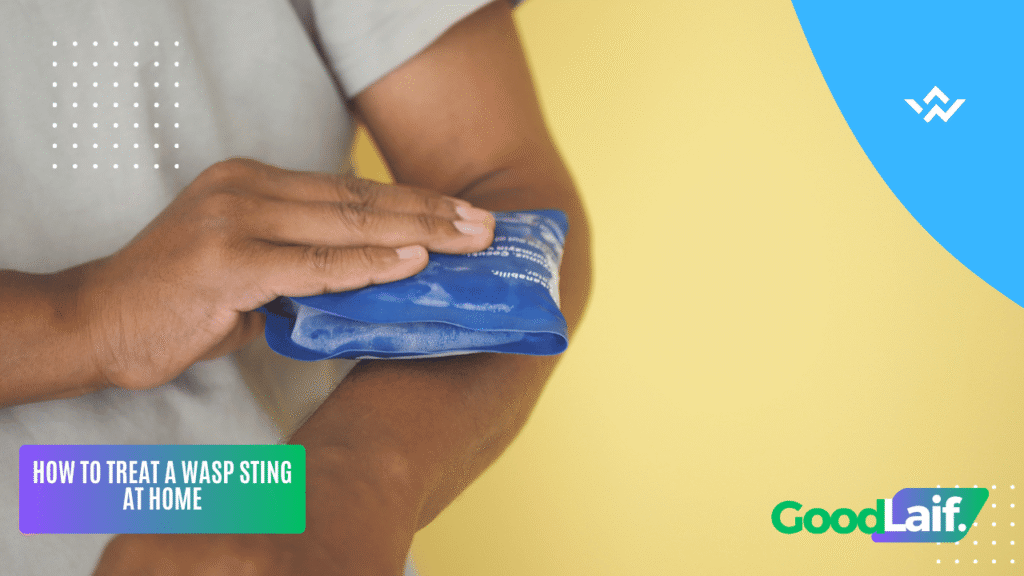
2. Apply a Cold Compress
This is one of the easiest ways to reduce pain and swelling.
Place an ice pack or ice wrapped in a clean cloth on the sting for about 10–20 minutes. Don’t put ice directly on your skin because it can cause irritation.
If the pain is still there, you can repeat the cold compress several times throughout the day.
3. Don’t Scratch the Sting
Not long after the sting, the area usually starts to itch.
Even if it’s really itchy, try not to scratch it. Scratching can damage your skin and increase the risk of infection.
4. Use an Anti-Itch Lotion
If the sting becomes itchy or red, you can apply calamine lotion or another topical treatment recommended by your doctor or pharmacist.
This usually helps reduce the discomfort.
5. Take Medication if Needed
If the pain is bothering you, you can take an over-the-counter pain reliever by following the dosage instructions on the package.
If the swelling or itching is more severe, your doctor may recommend an antihistamine.
What’s a Normal Reaction After a Wasp Sting?
Don’t worry—most wasp stings aren’t dangerous.
Common reactions include:
- Pain around the sting.
- Mild swelling.
- Redness.
- A burning or stinging sensation.
- Itching after a few hours.
These symptoms usually go away on their own within a few days.
When Should You See a Doctor?
Although most wasp stings heal without medical treatment, some situations shouldn’t be ignored.
Seek medical help immediately if you experience:
- Difficulty breathing or shortness of breath.
- Swelling of the lips, tongue, or throat.
- Severe dizziness or fainting.
- A very fast heartbeat.
- Multiple wasp stings.
- Swelling that continues to get worse after several days.
These symptoms could be a sign of a serious allergic reaction and require immediate medical attention.
How to Prevent Wasp Stings
To lower your chances of getting stung again, try these simple tips:
- Stay away from wasp nests.
- Avoid wearing strong-smelling perfumes outdoors.
- Wear long sleeves and long pants when gardening or spending time in areas where insects are common.
- If a wasp flies near you, stay calm. Don’t wave your hands around because that may provoke it to sting.
Read Also : Medicine for Wasp Stings, Why Can the Skin Swell and Hurt?
The Bottom Line
Now you know how to treat a wasp sting for faster and safer recovery. Washing the sting, applying a cold compress, using an anti-itch lotion, and taking medication when necessary can help reduce pain and swelling.
Remember, this article is for educational purposes only and isn’t a substitute for professional medical advice. If you experience trouble breathing, severe swelling, or any signs of a serious allergic reaction, seek medical attention immediately.
Have you ever been stung by a wasp? How long did it take for the swelling to go away? Share your experience in the comments—you might help someone else going through the same thing.