


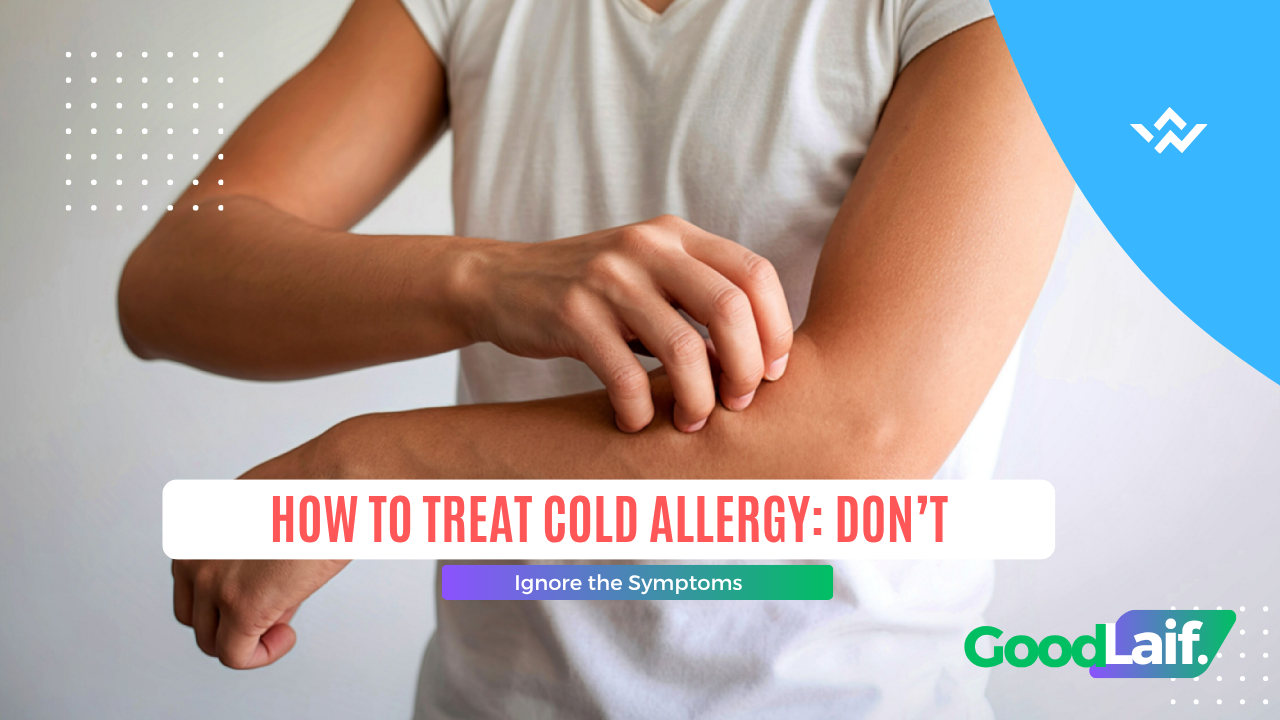
Have you ever felt itchy, started sneezing, or noticed redness on your skin when exposed to cold air? Many people think it’s just a normal reaction, but it could actually be a cold allergy. This condition often appears without warning and can disrupt your daily comfort. So, how can you effectively treat a cold allergy?
A cold allergy is a reaction of the body to low temperatures that can trigger various symptoms such as itching, rashes, and nasal congestion. Although it may seem mild, it should be handled properly to prevent it from getting worse. Therefore, understanding the causes and how to manage it is essential.
What Is a Cold Allergy?
A cold allergy occurs when the body reacts excessively to cold exposure. This reaction often appears as hives, itching, or swelling on certain parts of the skin.
In addition, some people may experience symptoms like sneezing, a runny nose, or watery eyes when exposed to cold environments. The severity can vary depending on each individual’s condition and sensitivity.
Causes of Cold Allergy
Several factors can trigger a cold allergy, including:
- Direct exposure to cold air
- Cold water when bathing or swimming
- Consuming cold food or drinks
- Sudden temperature changes
Additionally, a weakened immune system can make a person more vulnerable to cold allergy reactions.
How to Treat Cold Allergy

Here are some effective ways to manage a cold allergy:
1. Wear Warm Clothing
Protecting your body from cold temperatures is the first step to preventing allergic reactions.
2. Avoid Excessive Cold Exposure
Try not to stay too long in cold environments.
3. Use Antihistamines
These medications can help relieve symptoms such as itching and rashes.
4. Keep Your Skin Moisturized
Using a moisturizer can prevent dryness and irritation.
5. Consume Warm Foods and Drinks
Warm intake helps maintain body temperature and reduce reactions.
6. Consult a Doctor
If symptoms worsen, seek medical advice for proper treatment.
It is also important to identify your personal triggers. By recognizing what causes your reaction, you can avoid it more effectively in the future.
Tips to Prevent Cold-Triggered Skin Reaction
Besides treatment, prevention is key to reducing recurrence:
- Always wear warm clothing in cold weather
- Avoid bathing with very cold water
- Maintain a healthy lifestyle
- Avoid sudden temperature changes
Getting enough rest, eating nutritious food, and exercising regularly can strengthen your immune system and help your body adapt better to temperature changes.
Read Also : Cold Allergy Bumps and Their Often Overlooked Causes
Conclusion
Treating a cold allergy is not difficult if you understand its causes and proper management. By protecting your body from cold exposure and maintaining overall health, symptoms can be controlled effectively.
Start paying closer attention to your body’s signals. With consistent care, cold allergies will no longer interfere with your daily activities, allowing you to stay comfortable in any weather condition.