



Itchy skin, also known as pruritus, is a common condition that can affect anyone. This itching may occur in specific areas or spread throughout the body, accompanied by redness, rashes, or even wounds caused by scratching. Although it may seem minor, persistent itching can disrupt daily activities, sleep, and even lower quality of life. Therefore, it’s important to know how to treat itchy skin properly according to its cause.
Common Causes of Itchy Skin
Before finding the solution, the first step is to understand its causes. Itching can be triggered by various factors, such as:
- Dry skin (xerosis) – Usually caused by cold weather, frequent hot showers, or harsh soaps.
- Allergies – Triggered by food, dust, pollen, pet dander, or certain skincare products.
- Insect bites – Such as mosquitoes, ants, or mites, which can cause mild inflammation.
- Skin diseases – For example, eczema, psoriasis, or fungal infections such as ringworm.
- Certain medical conditions – Itching can also be a symptom of internal issues such as liver, kidney, or thyroid disorders.
Knowing the cause helps determine the most effective treatment.
Natural Ways to Treat Itchy Skin

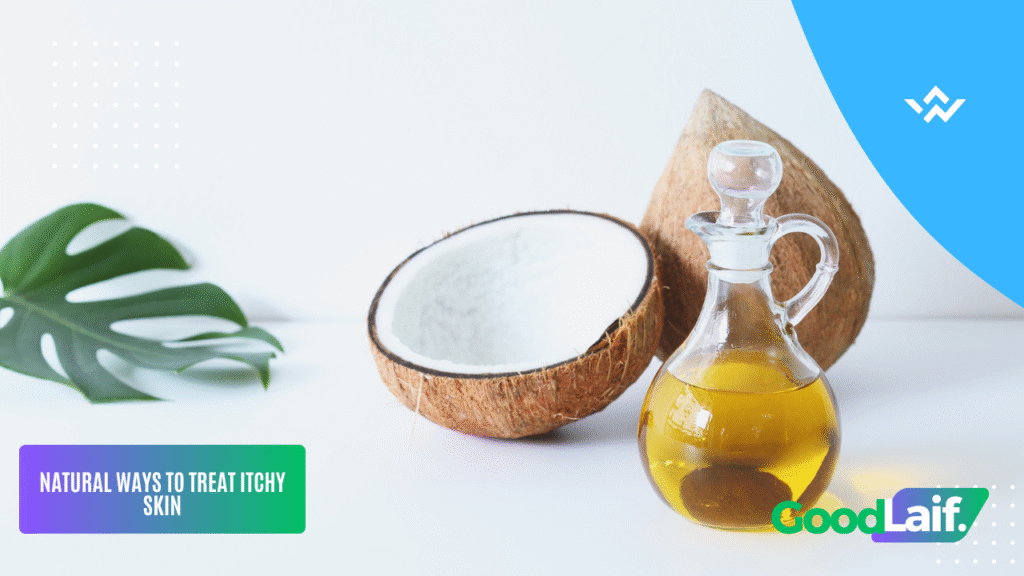
If the itching is mild and not caused by a serious condition, you can try some of these natural remedies:
- Cold compress
Apply a damp cloth or ice wrapped in a towel to the itchy area for 10–15 minutes. This can help soothe the skin and reduce inflammation. - Use natural moisturizers
Choose natural moisturizers such as aloe vera, coconut oil, or shea butter to keep the skin hydrated. Avoid products containing fragrances or alcohol that may worsen irritation. - Oatmeal bath
Bathing with water mixed with colloidal oatmeal can help calm inflamed skin and relieve itching. - Wear loose, soft clothing
Avoid tight or synthetic fabrics as they can trap heat and aggravate itching. - Maintain body hygiene
Bathe regularly, especially after sweating or outdoor activities. However, avoid hot water as it can dry out the skin further. - Drink plenty of water
Well-hydrated skin is more resistant to irritation and itching.
Medical Treatments for Itchy Skin
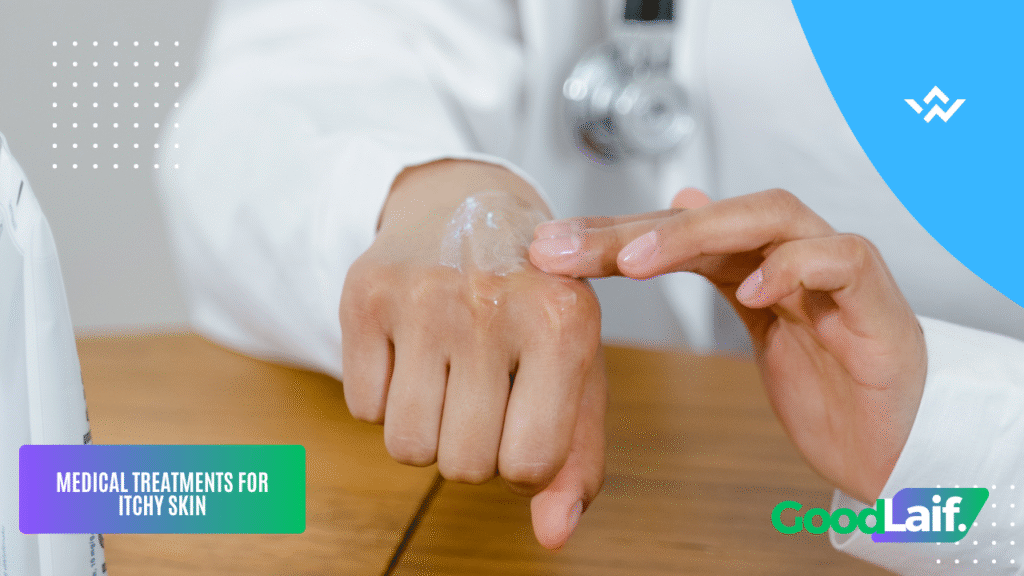
If natural methods aren’t effective, you can consider medical treatments. Here are some common options provided by dermatologists:
- Corticosteroid creams
These topical medications reduce inflammation and itching caused by allergies or eczema. - Antihistamines
Used to relieve itching caused by allergic reactions. Antihistamines can also help you sleep better if the itching worsens at night. - Antifungal or antibacterial creams
If the itching is caused by a fungal or bacterial infection, doctors may prescribe topical or oral medications. - Phototherapy
For chronic cases such as psoriasis or severe eczema, ultraviolet light therapy can help calm the skin. - Further consultation
If the itching persists for more than two weeks or is accompanied by symptoms such as fever, swelling, or pain, see a dermatologist immediately.
How to Prevent Itching from Returning
Besides knowing how to treat itchy skin, prevention is equally important. Here are some steps to keep it from coming back:
- Use mild, fragrance-free soap.
- Avoid scratching directly; gently pat the itchy area instead.
- Use a humidifier in air-conditioned rooms to maintain humidity.
- Choose skincare products suitable for your skin type.
- Maintain a balanced diet and avoid allergy-triggering foods.
Read Also : How to Get Rid of Plaster Bagworms and Prevent Skin Irritation
Conclusion
Itchy skin can result from various factors, ranging from dryness to certain medical conditions. Therefore, understanding the cause is key to choosing the right way to treat itchy skin. Natural remedies such as cold compresses, moisturizers, and proper hygiene can help relieve mild symptoms. However, if the itching lasts long or comes with other symptoms, it’s best to consult a doctor for accurate diagnosis and treatment.
With consistent care and a healthy lifestyle, your skin can feel comfortable again — free from the itch that disrupts your daily life.