


Pregnancy is a period that requires special attention to the health of both the mother and the baby. One condition that should not be overlooked is hypertension during pregnancy, which refers to high blood pressure that occurs while a woman is pregnant. This condition can affect both maternal health and fetal development if it is not properly managed.
Although not all pregnant women with high blood pressure experience complications, regular monitoring and appropriate treatment are essential to reduce potential risks. Therefore, understanding the causes, risks, symptoms, and management strategies is an important step for every expectant mother.
What Is Hypertension During Pregnancy?
Hypertension during pregnancy is a condition in which blood pressure reaches or exceeds 140/90 mmHg on two separate measurements taken at different times. This condition may exist before pregnancy, develop during pregnancy, or continue after childbirth.
There are several types of blood pressure disorders that can occur during pregnancy, including:
Chronic Hypertension
Chronic hypertension occurs when high blood pressure is present before pregnancy or is detected before the 20th week of pregnancy.
Gestational Hypertension
This condition develops after the 20th week of pregnancy without signs of damage to other organs. In some cases, it can progress to preeclampsia.
Preeclampsia
Preeclampsia is a serious complication characterized by high blood pressure accompanied by damage to organs such as the kidneys or liver. This condition requires close medical monitoring because it can endanger both the mother and the baby.
Risk Factors for Hypertension During Pregnancy
Several factors can increase a woman’s likelihood of developing hypertension during pregnancy, including:
- A history of high blood pressure before pregnancy.
- First-time pregnancy.
- Pregnancy before the age of 20 or after the age of 35.
- Being overweight or obese.
- Carrying multiple babies (twins or more).
- A history of diabetes or kidney disease.
- A family history of high blood pressure during pregnancy.
Identifying these risk factors early can help healthcare providers monitor the pregnancy more closely.
Risks to the Mother and Baby
Uncontrolled high blood pressure during pregnancy can increase various health risks.
Risks for the Mother
Some complications that may affect the mother include:
- Preeclampsia and eclampsia.
- Impaired kidney function.
- Liver damage.
- Blood clotting disorders.
- Increased risk of cardiovascular disease later in life.
- Medically indicated preterm delivery.
Risks for the Baby
In addition to affecting the mother, this condition can also impact the baby, including:
- Restricted fetal growth.
- Low birth weight.
- Premature birth.
- Reduced oxygen and nutrient supply.
- Risk of fetal death in severe cases.
For this reason, early detection is crucial in preventing more serious complications.
Symptoms to Watch For
In many cases, high blood pressure during pregnancy does not cause obvious symptoms. However, the following signs should receive immediate attention:
- Severe and persistent headaches.
- Blurred vision or sensitivity to light.
- Swelling of the face and hands.
- Pain in the upper abdomen.
- Shortness of breath.
- Sudden weight gain.
If any of these symptoms occur, consult a doctor or healthcare provider as soon as possible for further evaluation.
How to Manage Hypertension During Pregnancy

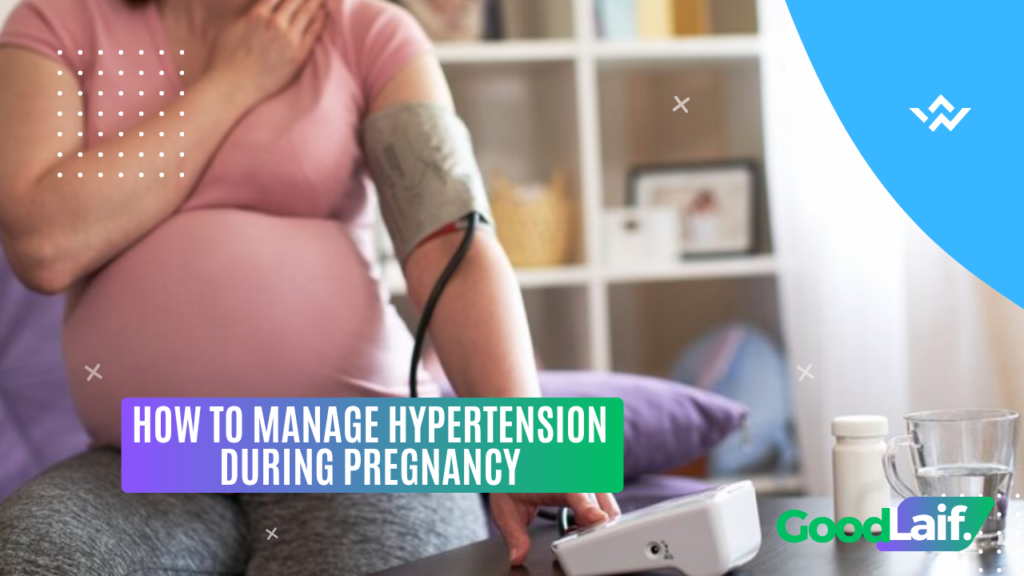
Managing high blood pressure during pregnancy aims to protect the mother’s health while ensuring the baby’s growth and development remain optimal.
Attend Regular Prenatal Checkups
Routine prenatal visits allow healthcare providers to monitor blood pressure and detect any changes early. Regular checkups also help assess the baby’s growth and overall well-being.
Eat a Healthy Diet
A balanced diet plays an important role in maintaining stable blood pressure. Pregnant women are encouraged to consume more:
- Fruits and vegetables.
- Lean protein sources.
- Whole grains.
- Low-fat dairy products, as recommended by healthcare professionals.
At the same time, it is advisable to limit foods high in salt, processed foods, and sugary beverages.
Maintain a Healthy Weight
Weight gain during pregnancy should be appropriate for each individual’s condition. A doctor or registered dietitian can help determine a safe and healthy target.
Stay Physically Active
Light to moderate physical activity can help support heart health and blood circulation. Walking, prenatal exercise classes, or prenatal yoga are often considered safe options after receiving approval from a healthcare provider.
Manage Stress
Prolonged stress can negatively affect overall health. Relaxation techniques, meditation, adequate sleep, and support from family members can help maintain emotional well-being during pregnancy.
Follow Medical Treatment as Prescribed
In some cases, doctors may prescribe medication to help control blood pressure. These medications should be taken exactly as directed because not all blood pressure medications are considered safe during pregnancy.
When Should You Seek Immediate Medical Attention?
Pregnant women should seek urgent medical care if they experience:
- Extremely high blood pressure.
- Severe headaches that do not improve.
- Sudden vision problems.
- Severe abdominal pain.
- Reduced fetal movement.
- Seizures or loss of consciousness.
Prompt treatment can help prevent serious complications that may threaten the lives of both the mother and the baby.
Conclusion
Hypertension during pregnancy is a condition that requires special attention because it can increase the risk of complications for both the mother and the baby. With regular prenatal care, a healthy lifestyle, and adherence to medical recommendations, most cases of hypertension during pregnancy can be effectively managed. A proper understanding of the risk factors, symptoms, and preventive measures can help mothers experience a safer and healthier pregnancy through delivery.
READ ALSO ARTICLE: Pilates For Pregnant Women: Exercises During Pregnancy