


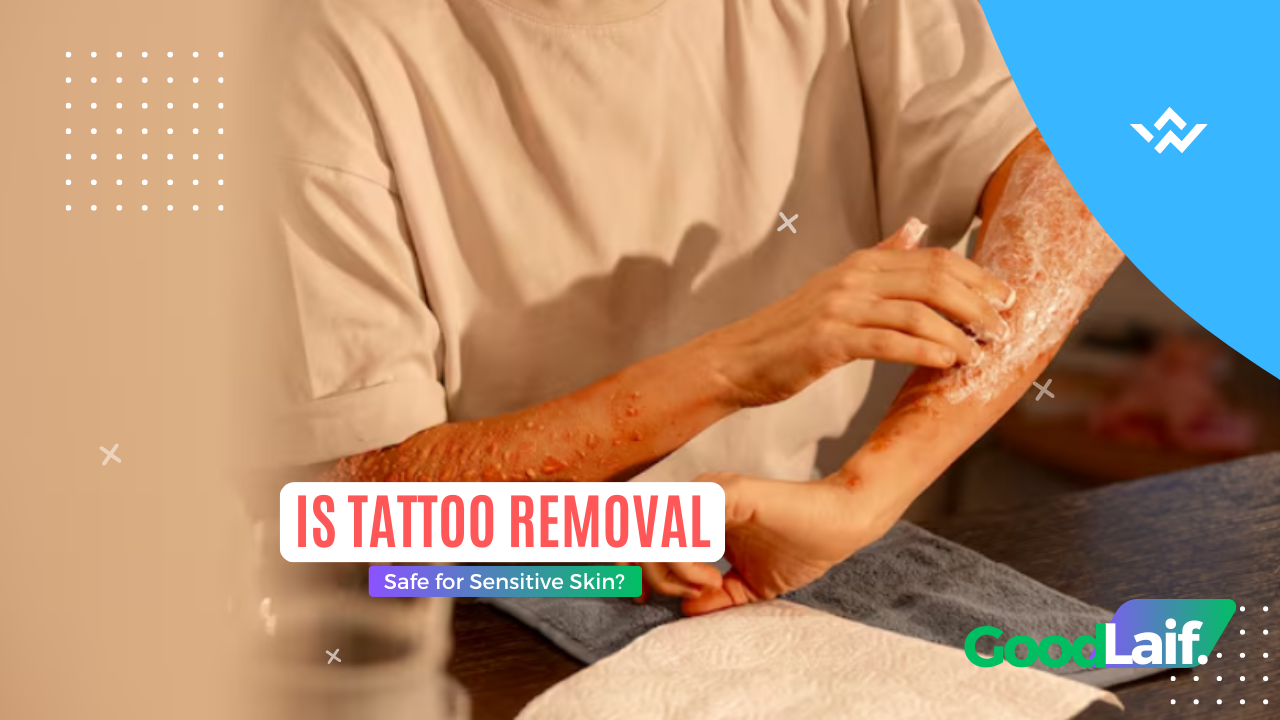
Tattoo removal has become increasingly common for professional, aesthetic, and personal reasons. However, individuals with sensitive skin often have additional concerns before undergoing the procedure. Sensitive skin is generally more reactive to physical or chemical stimuli, which means tattoo removal requires careful consideration and proper medical supervision. This article discusses whether tattoo removal is safe for sensitive skin, including potential risks, available methods, and essential precautions.
Understanding Sensitive Skin
Sensitive skin is not a single medical diagnosis but rather a condition in which the skin reacts easily to external triggers such as friction, heat, chemicals, or medical procedures. Common reactions include redness, burning sensations, itching, stinging, or inflammation. People with a history of eczema, atopic dermatitis, contact allergies, or extremely dry skin are more likely to experience skin sensitivity.
Common Tattoo Removal Methods
The most widely accepted and medically approved method of tattoo removal today is laser tattoo removal. Other methods include dermabrasion, surgical excision, and topical tattoo removal creams, although their safety and effectiveness vary significantly.
Laser tattoo removal works by delivering high-intensity light energy that targets tattoo pigments beneath the skin. The pigment particles are broken down into smaller fragments and gradually eliminated by the body’s immune system.
Safety of Tattoo Removal for Sensitive Skin

In general, tattoo removal can be performed on sensitive skin, but it requires a higher level of caution. Sensitive skin is more prone to adverse reactions compared to normal skin types. Potential risks include:
- Increased irritation and inflammation
Sensitive skin may experience more pronounced redness, swelling, and discomfort following laser treatment. - Risk of hyperpigmentation or hypopigmentation
Changes in skin color after tattoo removed are more common in skin that reacts easily to trauma. - Slower healing process
Skin regeneration in individuals with sensitive skin may take longer, requiring extended recovery time between sessions. - Higher risk of scarring
Without proper technique and aftercare, sensitive skin may be more susceptible to scar formation.
Despite these risks, modern laser technology and treatment performed by experienced medical professionals can significantly reduce complications.
Factors That Affect Procedure Safety
Several factors influence the safety of tattoo removal for individuals with sensitive skin:
- Type of laser technology used
Advanced laser systems, such as picosecond lasers, are generally more precise and cause less damage to surrounding tissue. - Experience of the medical professional
Dermatologists or trained practitioners can adjust laser settings according to skin sensitivity and tattoo characteristics. - Tattoo size, color, and depth
Dark-colored and superficially placed tattoos are usually easier to remove with fewer complications. - Pre-existing skin condition
Tattoo removal should be postponed if the skin is inflamed, infected, or experiencing an active dermatological condition.
Importance of Pre-Treatment Consultation
For individuals with sensitive skin, a thorough consultation before tattoo removal is essential. During the consultation, the practitioner evaluates skin condition, discusses potential risks, and recommends the most appropriate treatment plan. In some cases, a test spot may be performed on a small area to assess the skin’s response before proceeding with full treatment.
Post-Treatment Care for Sensitive Skin
Post-treatment care plays a crucial role in minimizing side effects and ensuring optimal healing. Common aftercare recommendations include:
- Keeping the treated area clean and dry
- Avoiding direct sun exposure
- Applying prescribed ointments or creams
- Refraining from scratching or peeling healing skin
- Avoiding harsh skincare products during recovery
Strict adherence to aftercare instructions significantly reduces the risk of complications, particularly for sensitive skin.
Conclusion
Tattoo removal can be considered safe for sensitive skin when performed using appropriate methods, modern technology, and under the supervision of qualified medical professionals. Although the risk of side effects is generally higher than in normal skin, proper assessment, careful treatment planning, and diligent post-procedure care can effectively minimize complications. Individuals with sensitive skin are strongly advised to prioritize safety and medical guidance over speed or cost when considering tattoo removed.
READ ALSO ARTICLE: How to Use Serum Correctly for Healthier