


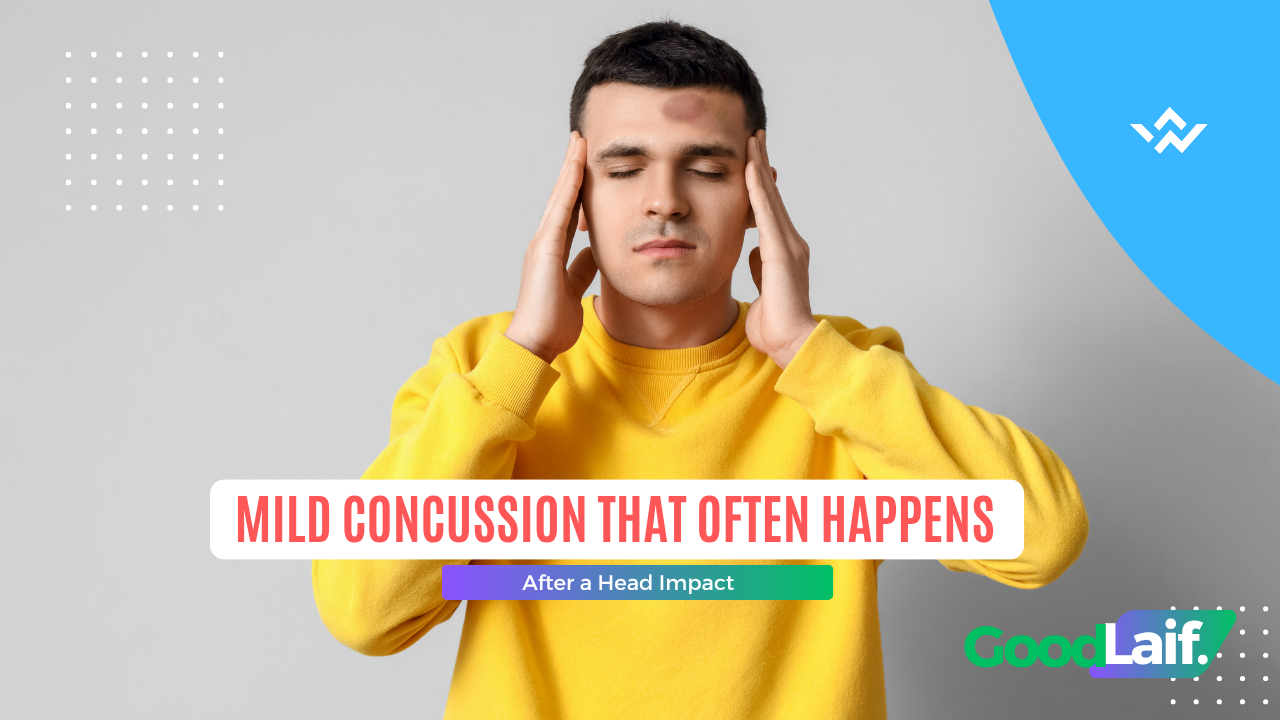
Have you ever hit your head and then felt dizzy, nauseous, or had trouble concentrating afterward? Many people think this condition is only caused by fatigue and will disappear on its own. In fact, a blow to the head can cause a mild concussion that still needs attention even if the symptoms seem minor.
A mild concussion is a minor brain injury that usually occurs due to a hard impact, fall, accident, or hit to the head. This condition can temporarily affect brain function and cause several symptoms in the body. Although it is considered mild, proper treatment is still important to prevent the condition from becoming worse.
In some cases, symptoms of a mild concussion may appear immediately after the impact. However, some people may only notice the symptoms a few hours later. Because of that, a mild concussion should not be underestimated.
Causes of Mild Concussion
There are several common causes of mild concussion.
1. Falling
A head injury caused by falling can trigger brain trauma.
2. Vehicle Accidents
Motorcycle or car accidents can cause severe impacts to the head.
3. Sports Injuries
Sports involving physical contact carry a risk of head impacts.
4. Hitting Hard Objects
Hitting walls, tables, or other hard objects may also cause a mild concussion.
Symptoms of Mild Concussion


Symptoms of a mild concussion can vary from person to person. However, some common signs include:
- Dizziness
- Nausea or vomiting
- Headaches
- Difficulty concentrating
- Feeling weak
- Blurred vision
- Drowsiness
In addition, some people may also experience balance problems or become more sensitive to light and sound.
How to Treat a Mild Concussion
There are several simple steps that can help the recovery process of a mild concussion.
1. Get Enough Rest
The body needs time to help the brain recover after an injury.
2. Avoid Heavy Activities
Excessive activity can worsen the symptoms.
3. Reduce Gadget Use
Too much screen exposure may make headaches and dizziness feel worse.
4. Eat Nutritious Foods
Good nutrition helps support the body’s recovery process.
5. Monitor the Symptoms
If the symptoms become more severe, seek medical attention immediately.
In addition, it is important to avoid repeated head impacts during recovery because they may slow the healing process and worsen the symptoms.
When Should You See a Doctor?
Although classified as mild, a concussion still requires attention. Seek medical help immediately if symptoms such as repeated vomiting, loss of consciousness, seizures, severe headaches, or difficulty speaking appear.
Further medical examination is important to ensure the brain has not suffered a more serious injury.
How to Prevent Concussions
The risk of mild concussion can be reduced with several simple steps, such as wearing a helmet while riding, being careful during activities, and using head protection during certain sports.
In addition, keeping the environment safe is also important to reduce the risk of falls or head impacts.
Read Also : Heavy Head Feeling: Causes and How to Relieve It
Conclusion
A mild concussion is a brain injury caused by a head impact that is often underestimated. However, this condition can still cause various symptoms such as dizziness, nausea, and difficulty concentrating.
With proper treatment and enough rest, the recovery process from a mild concussion can improve more effectively. If symptoms become more severe, medical attention should be sought immediately to prevent more serious complications.