



Is milk for heart health truly beneficial, or could it actually increase the risk of heart disease? This question often arises, especially for those who are trying to maintain healthy cholesterol levels and stable blood pressure. Milk is widely known as a nutrient-rich beverage, yet its fat content frequently sparks debate. So, what does the evidence really say about milk and heart health?
The Nutritional Benefits of Milk for the Heart
Milk contains several essential nutrients that support overall cardiovascular function. Some of the key nutrients include:
- Potassium, which helps maintain stable blood pressure by balancing sodium levels in the body.
- Vitamin D, which may reduce inflammation associated with heart disease.
- Protein, which supports muscle strength, including the heart muscle.
- Calcium and magnesium, which contribute to healthy blood vessel function and proper muscle contraction.
When consumed in moderation as part of a balanced diet, milk can help support cardiovascular health. Some observational studies suggest that moderate dairy consumption is not consistently linked to a higher risk of heart disease, particularly when combined with an active lifestyle and healthy eating habits.
Whole Milk and Cholesterol Concerns

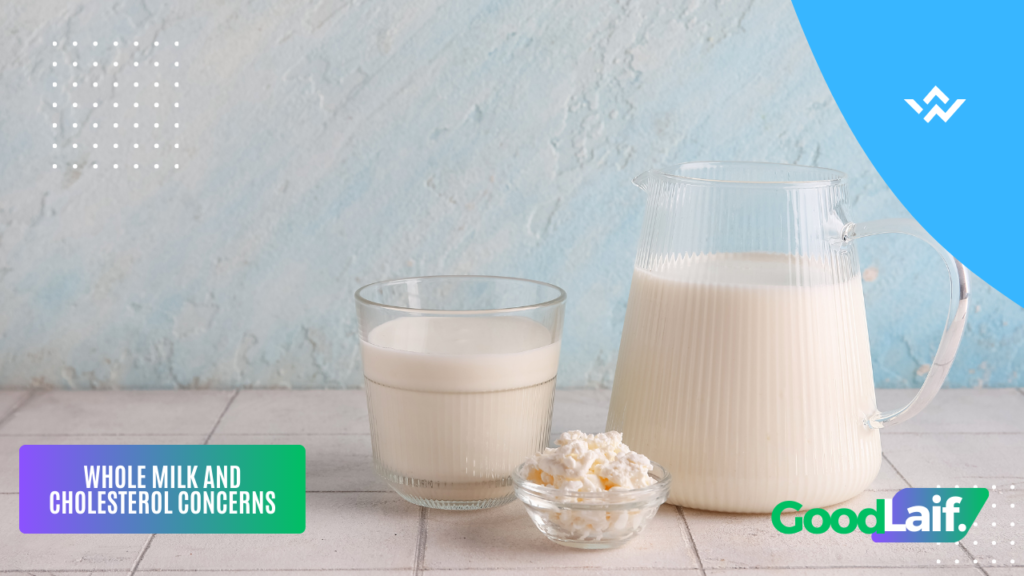
One of the main concerns about milk for heart health is its saturated fat content. Whole milk contains saturated fat, which can raise LDL cholesterol (often referred to as “bad” cholesterol) when consumed in excess. High LDL cholesterol levels may lead to plaque buildup in the arteries, increasing the risk of coronary heart disease.
However, individual responses to saturated fat can vary. Genetics, age, overall diet, and lifestyle all play significant roles in determining cholesterol levels. For this reason, it is important to consider personal health conditions when choosing the type of milk to consume.
Is Low-Fat Milk a Better Option?
Low-fat or fat-free milk provides similar amounts of protein, vitamins, and minerals as whole milk, but with less saturated fat. This is why many health professionals recommend low-fat dairy options for individuals who have high cholesterol or are at risk of heart disease.
Still, the overall quality of your diet matters more than any single food. Drinking low-fat milk while regularly consuming high-sugar or highly processed foods may reduce its potential benefits. A heart-healthy diet should emphasize fruits, vegetables, whole grains, lean protein, and healthy fats.
Plant-Based Milk Alternatives
In addition to cow’s milk, there are plant-based alternatives such as almond milk, soy milk, and oat milk. Many of these products are fortified with calcium and vitamin D, making them comparable in nutritional value.
However, it is important to check nutrition labels carefully. Some plant-based milks contain added sugars, which may negatively impact heart health if consumed excessively.
Tips for Consuming Milk for Heart Health
To maximize the benefits of milk for heart health, consider the following tips:
- Choose low-fat or fat-free milk if you have high cholesterol.
- Limit intake to about 1–2 servings per day, depending on your dietary needs.
- Pair milk with a high-fiber diet rich in fruits and vegetables.
- Maintain regular physical activity and a healthy body weight.
- Monitor cholesterol levels through routine health checkups.
Read Also : Heart Vitamin: Nutrients That Protect Your Heart Health
Conclusion
Milk for heart health can be beneficial when consumed wisely and in appropriate amounts. Low-fat milk, in particular, can be part of a heart-healthy diet that helps maintain balanced cholesterol and blood pressure levels.
Ultimately, protecting your heart is not about eliminating one specific food, but about adopting a balanced lifestyle. A nutritious diet, regular exercise, stress management, and routine medical checkups all play vital roles in keeping your heart strong and healthy for years to come.