


Many people believe that night showers and rheumatism are directly connected. It is common to hear warnings that bathing at night can cause rheumatism or make joint pain worse.
This belief has been passed down for generations. But is there any truth behind it, or is it simply a myth that continues to circulate?
Understanding the facts can help prevent misunderstandings and make it easier to separate myths from medical evidence.
This article is for educational purposes only and should not replace diagnosis, treatment, or medical advice from a healthcare professional.
Can Night Showers Cause Rheumatism?
From a medical perspective, there is no evidence that taking a shower at night directly causes rheumatism.
In many communities, the term “rheumatism” is often used to describe various joint and muscle problems. One condition frequently associated with rheumatism is rheumatoid arthritis, an autoimmune disease that causes inflammation in the joints.
Rheumatoid arthritis is not caused by night showers. Instead, it is linked to factors such as immune system dysfunction, genetics, and other health-related risk factors.
Why Does Joint Pain Feel Worse at Night?

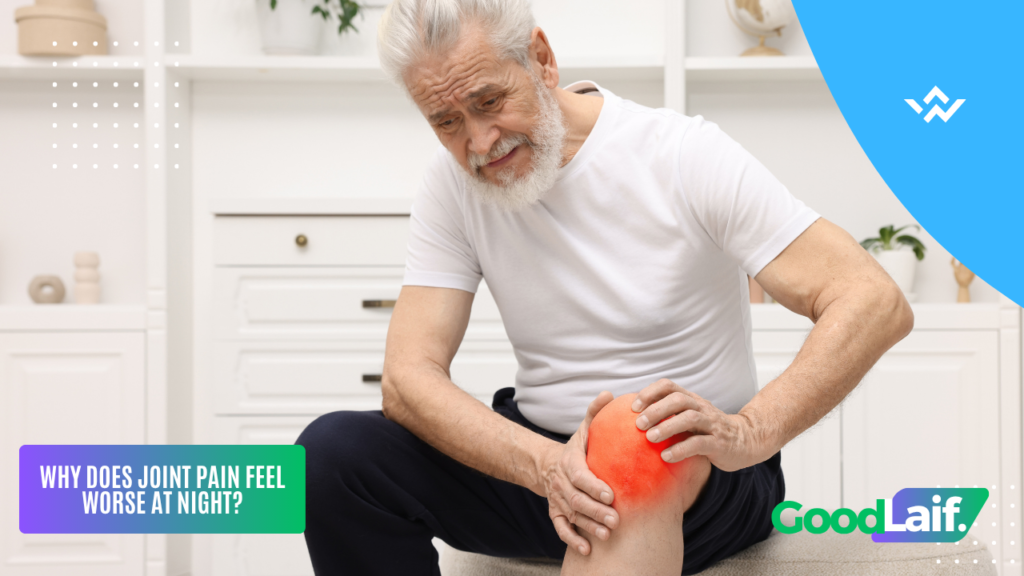
Although night showers do not cause rheumatism, some people notice that joint pain or body aches feel more noticeable during the evening.
Several factors may contribute to this feeling, including:
- Cooler nighttime temperatures
- Joints and muscles becoming tired after daily activities
- Sleeping or resting in an uncomfortable position
- Flare-ups of existing inflammatory joint conditions
Reduced physical activity at night may also cause joint fluid to circulate less efficiently, which can make joints feel stiffer when you wake up in the morning.
Because of this, discomfort experienced after a night shower is not necessarily caused by the shower itself.
Can People with Rheumatism Take Night Showers?
In general, people with rheumatism can still take showers at night if they feel comfortable doing so.
However, some individuals may prefer warm water instead of very cold water, especially when their joints feel stiff.
Warm water can help relax muscles and make the body feel more comfortable after a long day of activity.
It is important to remember that warm water does not treat rheumatism. It may simply provide temporary comfort and relaxation.
Tips for a More Comfortable Night Shower
If you need to shower at night, these tips may help:
- Use water at a comfortable temperature
- Avoid very cold water if you are sensitive to lower temperatures
- Dry your body thoroughly after showering
- Wear warm and comfortable clothing afterward
- Ensure good air circulation in the room
These simple steps can help improve comfort after a night shower.
Factors That Have a Greater Impact on Rheumatism
Compared with night showers, the following factors play a much larger role in the risk of certain joint disorders:
- Family history of autoimmune diseases
- Aging
- Smoking habits
- Excess body weight
- Joint injuries
- Certain health conditions that affect the immune system
For this reason, maintaining a healthy lifestyle is far more important than avoiding night showers.
When Should You See a Doctor?
Consult a healthcare professional if you experience:
- Persistent joint pain
- Swollen or red joints
- Joint stiffness that interferes with daily activities
- Pain that becomes worse over time
- Fever or other symptoms accompanying joint pain
A medical evaluation is necessary to determine the underlying cause and provide appropriate treatment.
Read Also : Skipping Showers? These 5 Things Might Happen to You!
Conclusion
The belief that night showers and rheumatism are directly linked is not supported by medical evidence. Night showers do not cause rheumatism or rheumatoid arthritis. However, cooler nighttime temperatures may make some people feel more uncomfortable, especially those who already have joint problems.
If joint pain persists or becomes more severe, it is best to consult a healthcare professional for proper diagnosis and treatment.