


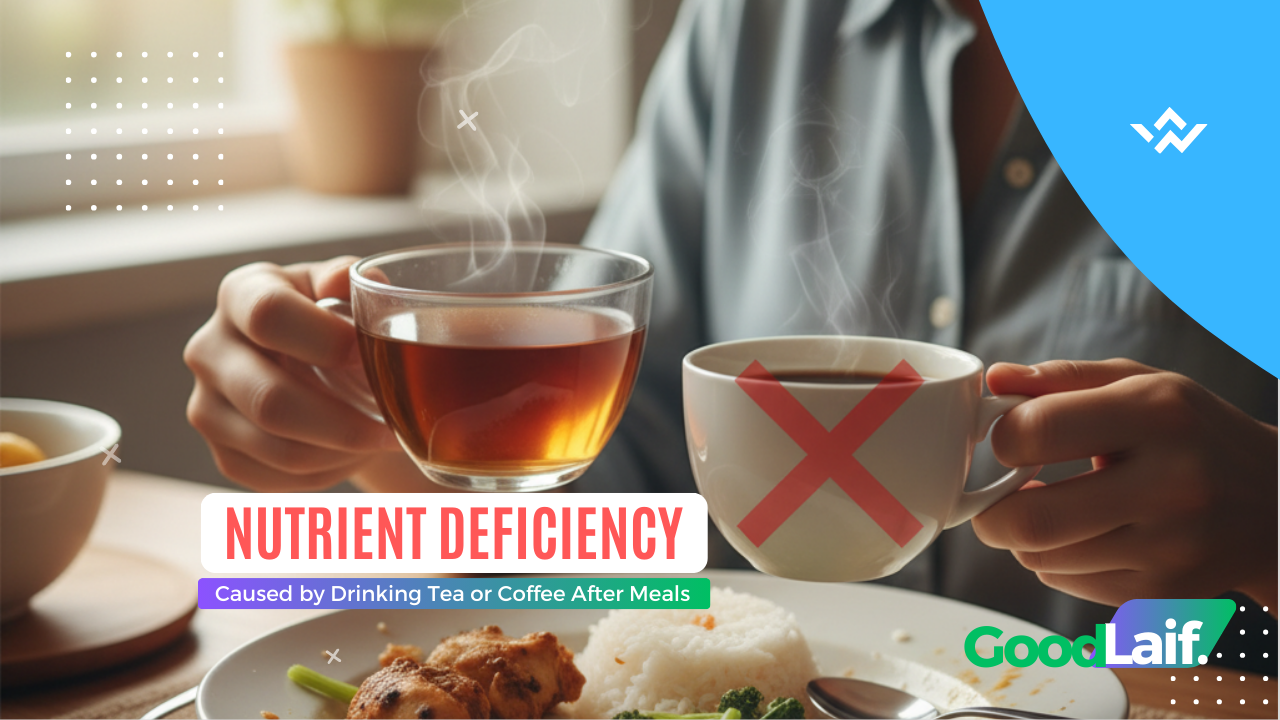
Tea and coffee are among the most widely consumed beverages in the world, valued for their unique flavors and potential health benefits. However, drinking tea or coffee immediately after meals can negatively affect the body’s ability to absorb essential nutrients. Over time, this habit may lead to nutrient deficiency, particularly in key minerals such as iron, calcium, and zinc.
How Tea and Coffee Interfere with Nutrient Absorption

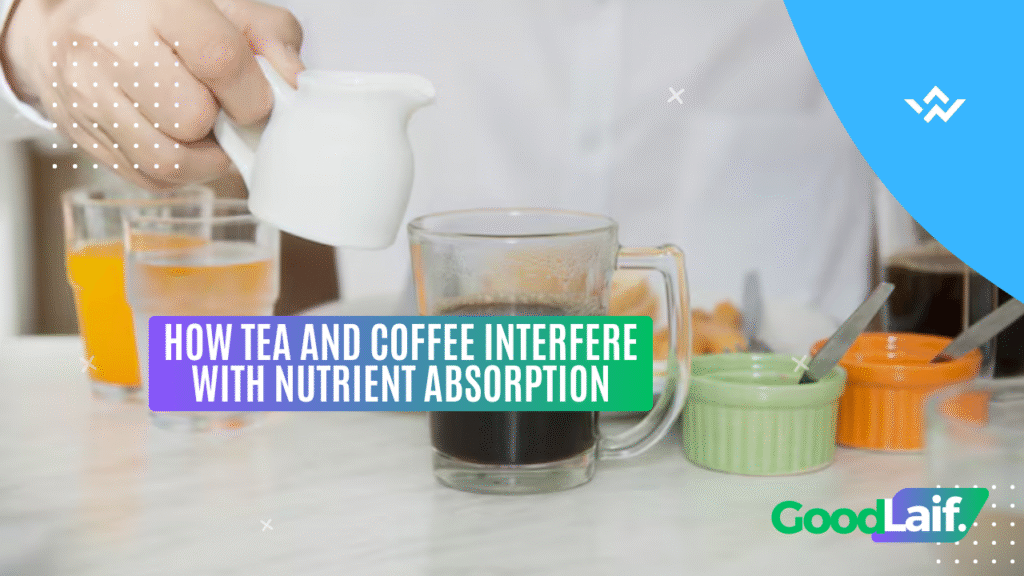
The main reason tea and coffee can hinder nutrient absorption lies in certain compounds they contain. Two components play a significant role:
1. Tannins
Tannins are polyphenolic compounds found in high amounts in tea, especially black and green tea. Tannins bind with non-heme iron (the type of iron found in plant-based foods), calcium, and zinc. This binding creates complexes that are difficult for the body to absorb, increasing the risk of nutrient deficiency such as iron deficiency anemia even when dietary intake of iron is adequate.
2. Caffeine
Both tea and coffee contain caffeine, although the levels vary. Caffeine has a mild diuretic effect, which can increase the excretion of minerals through urine. Excessive caffeine intake may also reduce calcium absorption, potentially affecting bone health over time and contributing to gradual nutrient deficiency if the habit persists.
Potential Health Consequences

Regularly drinking tea or coffee right after meals may lead to several nutrient-related health issues, such as:
- Iron-Deficiency Anemia: Symptoms include fatigue, paleness, dizziness, and reduced immune function.
- Bone Health Problems: Long-term calcium deficiency can increase the risk of osteoporosis or bone loss.
- Growth and Development Issues: In children and adolescents, inadequate iron and calcium can impair growth and development, making them more vulnerable to overall nutrient deficiency.
Recommendations for Safe Consumption

To enjoy tea and coffee without compromising nutrient absorption, the following precautions are recommended:
- Allow a Time Gap
Drink tea or coffee at least 1–2 hours after meals to allow proper nutrient absorption. - Monitor Intake Levels
Limit tea or coffee consumption to 2-3 cups per day to avoid excessive caffeine intake. - Pair Meals with Vitamin C Sources
Vitamin C enhances the absorption of non-heme iron. Including vitamin C-rich foods such as oranges, kiwis, or tomatoes can help counteract the effects of tannins. - Opt for Low-Caffeine or Herbal Varieties
Herbal teas or decaffeinated coffee can be safer alternatives for individuals at risk of nutrient deficiencies.
Conclusion
While tea and coffee offer certain health benefits, drinking them immediately after meals can hinder the absorption of key minerals such as iron, calcium, and zinc. Over time, this habit may contribute to nutrient deficiency and related health problems. By allowing sufficient time between meals and beverage consumption and moderating intake, it is possible to enjoy tea and coffee without sacrificing nutritional health.
READ ALSO ARTICLE: Types of Coffee You Must Know the Difference Between