


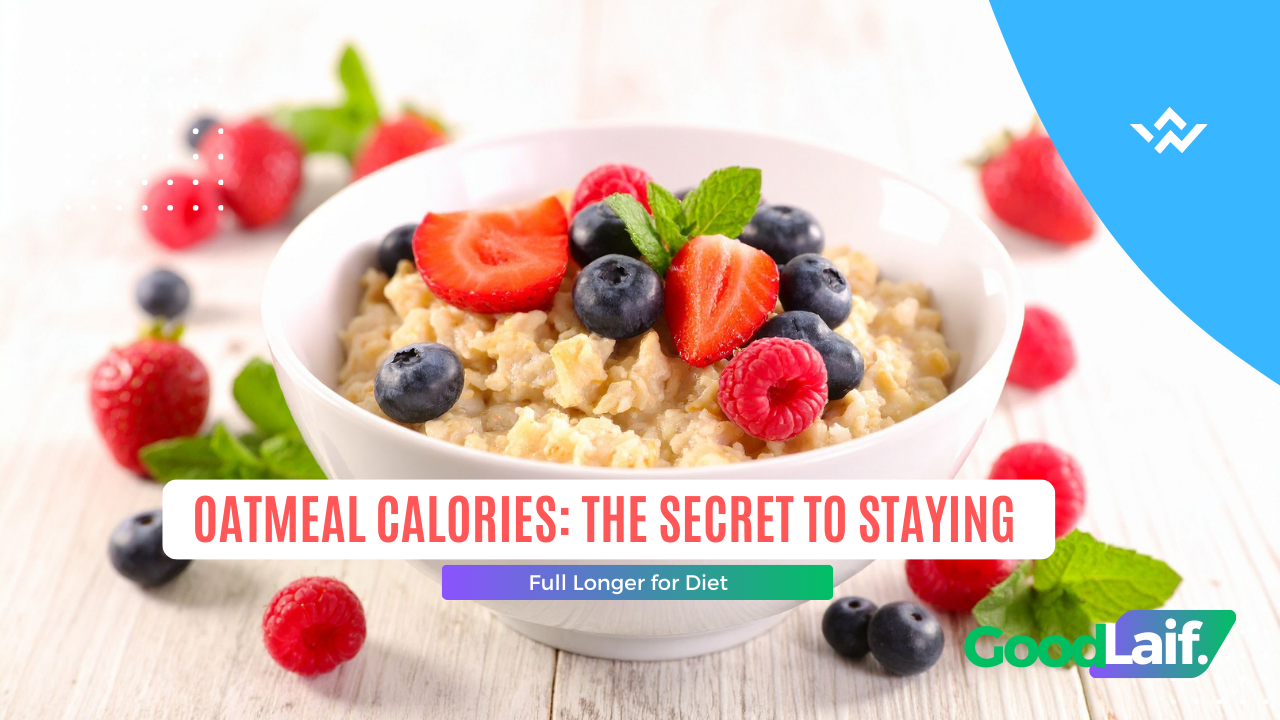
Have you ever felt hungry again even though you just had breakfast? Or maybe you are looking for a healthy meal that keeps you full without adding too many calories. In the middle of today’s healthy lifestyle trend, oatmeal is often considered one of the best choices for dieting. But many people still wonder, how many calories does oatmeal actually contain, and is it truly effective for weight loss?
This curiosity makes oatmeal increasingly popular. Although it looks simple, this whole-grain food offers powerful benefits for those who want to control their appetite and maintain a healthy body weight.
What Is Oatmeal and Its Nutritional Value?
Oatmeal is made from whole oats that have been processed into flakes or coarse grains. It is well known for its high fiber content, especially beta-glucan, which helps slow digestion and keeps you feeling full longer.
In addition to fiber, oatmeal contains complex carbohydrates, plant-based protein, B vitamins, iron, magnesium, and antioxidants. This combination makes oatmeal not only filling but also beneficial for heart health, digestion, and blood sugar control.
Oatmeal Calories per Serving
In one standard serving of dry oatmeal (about 40 grams), there are approximately 150–160 calories. This amount is considered low for a main meal, especially when eaten for breakfast.
Most oatmeal calories come from complex carbohydrates that release energy slowly. This helps prevent sudden hunger and provides steady energy throughout the morning. However, calorie content can increase depending on how oatmeal is prepared, especially when adding sugar, full-fat milk, or sweet toppings.
Differences in Oatmeal Calories by Type
Not all oatmeal has the same calorie content. Common types include:
- Instant oatmeal: around 160–180 calories per serving, often with added sugar.
- Rolled oats: about 150 calories per 40 grams and minimally processed.
- Steel-cut oats: around 170 calories per serving and more filling.
For dieting purposes, rolled oats and steel-cut oats are usually recommended due to their natural composition and longer satiety effect.
Why Is Oatmeal Good for Diet?


Oatmeal calories are relatively low, yet the fiber content is very high. Beta-glucan fiber helps slow stomach emptying, which reduces hunger and limits unnecessary snacking.
Oatmeal also helps stabilize blood sugar levels. Stable blood sugar is essential during weight loss because sudden spikes often trigger cravings and overeating. This makes oatmeal an excellent option for long-term, sustainable dieting.
Tips to Keep Oatmeal Calories Low
To enjoy oatmeal without increasing calories, consider these tips:
- Cook oatmeal with water or low-fat milk.
- Avoid adding excessive sugar or sweet syrups.
- Choose healthy toppings such as fresh fruits, nuts, or chia seeds in moderation.
- Control portion size according to daily calorie needs.
With proper preparation, oatmeal remains tasty while supporting your diet goals.
Read Also : Can Walking Help You Lose Weight? Here’s the Truth
Conclusion
Oatmeal calories are low, yet highly effective in keeping you full for longer periods. With only about 150–160 calories per serving, oatmeal is an ideal choice for anyone aiming to lose or maintain weight. When consumed wisely and prepared healthily, oatmeal can help control appetite, maintain energy levels, and support a balanced, healthy lifestyle.