


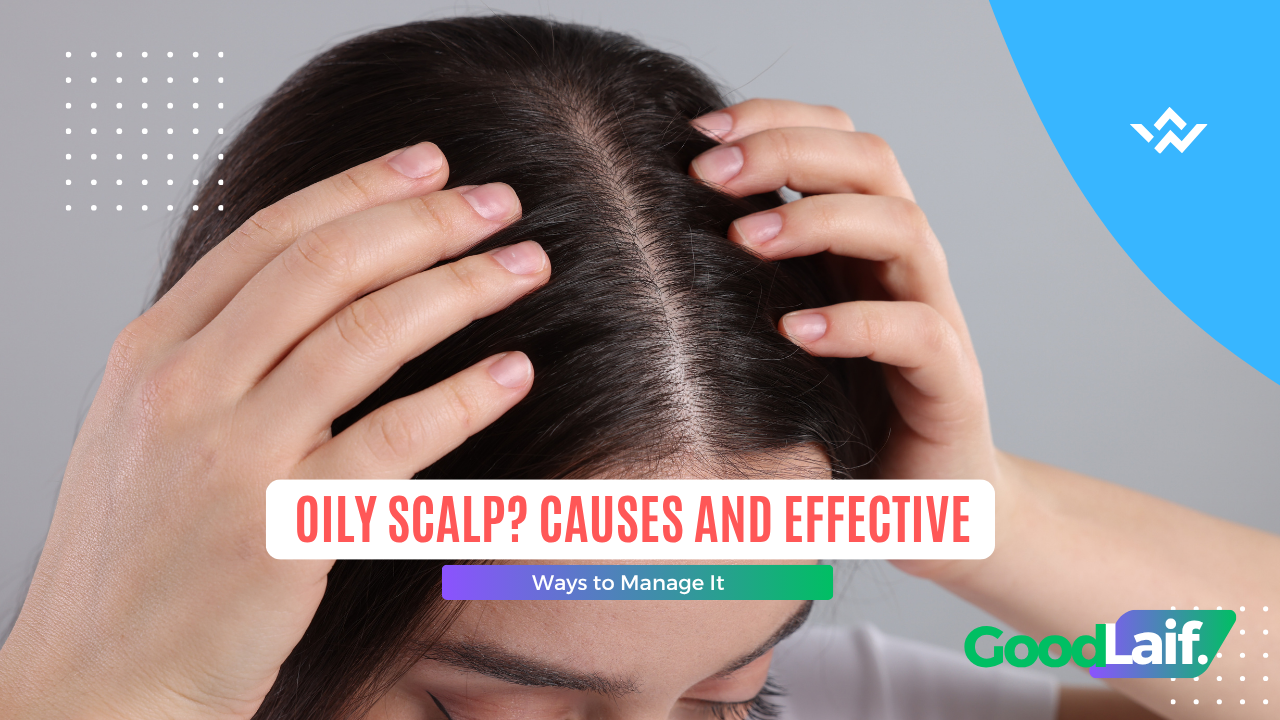
Did you wash your hair in the morning, but by the afternoon it already looks flat and greasy like you haven’t washed it for days? If yes, you may have an oily scalp. This condition is quite common and can make hair look dull, sticky, and lose its volume even shortly after washing.
The scalp naturally produces oil called sebum to keep the hair and scalp moisturized. However, when the body produces too much oil, hair can become greasy, easily dirty, and sometimes itchy.
The good news is that an oily scalp can usually be managed with the right care and daily habits.
This article is for educational purposes only and should not replace professional medical advice, diagnosis, or treatment from a doctor.
6 Causes of an Oily Scalp
Several factors can increase oil production on the scalp, including:
- Frequently touching your hair
- Using hair products that are not suitable for your scalp
- Washing your hair too often or not often enough
- Hormonal changes
- Stress
- Genetic factors
In addition, hot weather, outdoor activities, and the buildup of oil, styling products, and dead skin cells can make the scalp feel greasier and trigger itching. People who wear helmets or head coverings for long periods may also experience oily hair more easily because the scalp becomes more humid.
Signs of an Oily Scalp
An oily scalp is usually recognized by these signs:
- Hair becomes greasy less than 12 hours after washing
- The scalp feels sticky
- Hair loses volume and looks flat
- Oily dandruff appears as larger yellow flakes that stick to the scalp
- The scalp feels itchy
If left untreated, this condition can make hair look dull and uncomfortable. In some people, excess oil can also make the hair appear thinner because the strands stick together.
5 Ways to Manage an Oily Scalp

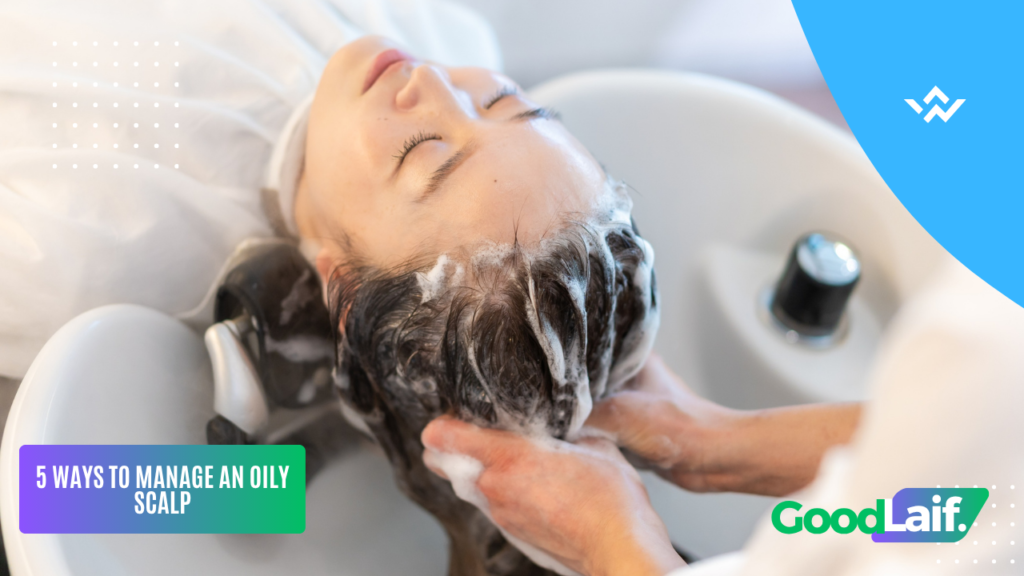
1. Use Shampoo for Oily Hair
Choose a shampoo designed for oily hair that helps remove excess oil without making the scalp too dry.
Avoid products that feel too heavy because they may leave more residue on the scalp.
2. Avoid Washing Your Hair Too Often
Washing your hair every day can actually make your scalp produce more oil as a natural response to maintain moisture.
Instead, adjust your washing schedule based on your hair type and daily activities.
3. Reduce Touching Your Hair
Your hands can transfer oil and dirt to your hair, causing it to become greasy faster.
Try to avoid constantly touching or adjusting your hair throughout the day.
4. Clean Hair Product Residue Properly
Make sure shampoo, conditioner, or styling products are completely rinsed out.
Product buildup combined with oil and dead skin cells can make the scalp feel heavy, greasy, and uncomfortable.
5. Manage Stress
Stress can affect hormones that influence oil production. Getting 7–8 hours of sleep every night and doing activities like meditation or taking an evening walk may help keep your body’s balance.
Besides these steps, eating nutritious foods and drinking enough water can also support overall scalp health.
Habits That Can Make Hair Greasy Faster
Some habits can make an oily scalp worse, such as:
- Using very hot water when washing hair
- Applying too many hair products
- Rarely cleaning your comb or brush
- Wearing damp head coverings for too long
- Not keeping hair clean after outdoor activities
Not washing your hair after exercising can allow sweat, oil, and dirt to build up, making hair feel greasy and less fresh.
When Should You See a Doctor?
You should consider seeing a doctor if an oily scalp is accompanied by:
- Severe itching
- Excessive dandruff that does not improve
- Redness on the scalp
- Significant hair loss
- Sores or signs of infection
- Pain when touching the scalp
- An unpleasant smell even after washing your hair
A dermatologist can perform further evaluations to identify the cause, including checking for possible fungal infections or seborrheic dermatitis, which can cause dandruff and oily scalp problems.
These conditions may require proper treatment to prevent symptoms from becoming more uncomfortable.
Read Also : Sensitive Scalp: Causes and How to Treat It Effectively and Safely
Conclusion
An oily scalp is commonly caused by excess sebum production, hormonal changes, stress, or improper hair care habits. Although it is usually not dangerous, it can make hair look greasy, itchy, and uncomfortable.
By choosing suitable hair products, maintaining scalp hygiene, avoiding habits that trigger excess oil, and managing stress properly, an oily scalp can usually be controlled.
If the condition does not improve or comes with severe dandruff, unpleasant odor, or excessive hair loss, consult a doctor to find the right treatment.