


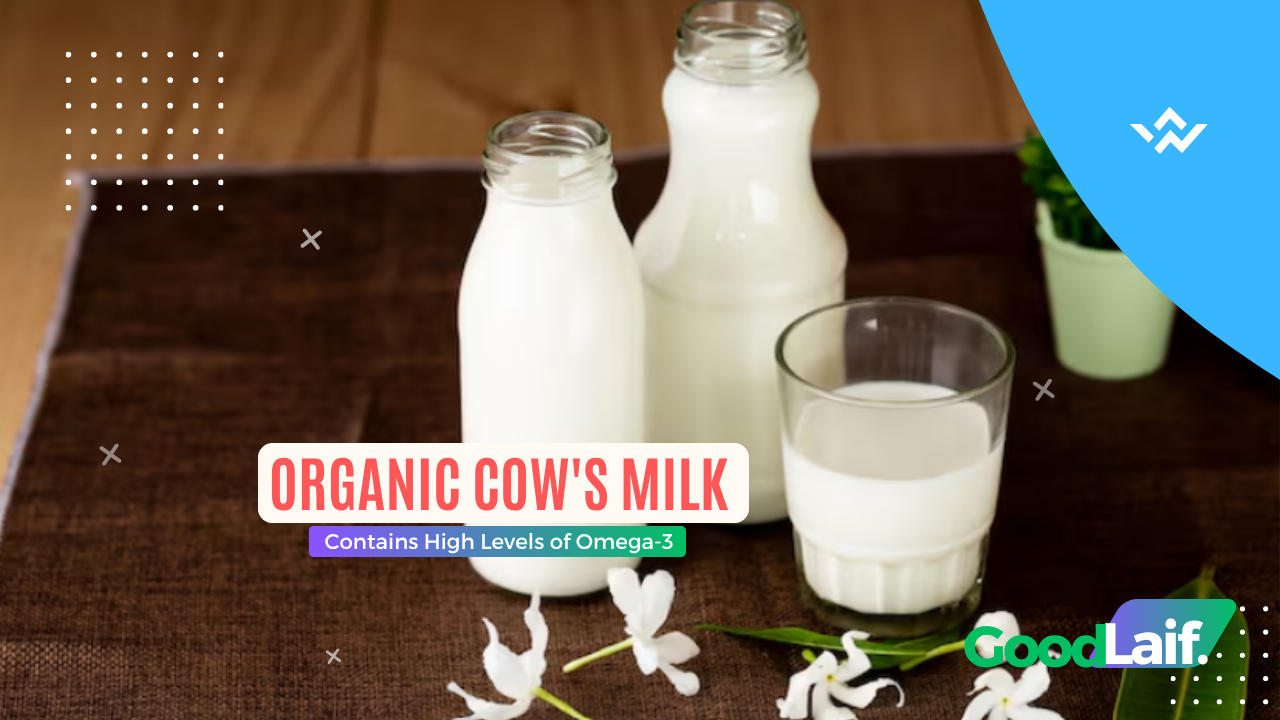
Omega-3 is an essential fatty acid that plays an important role in maintaining overall health. This nutrient is widely recognized for supporting heart health, brain function, and overall well-being. In recent years, many consumers have been looking for natural sources of omega-3 from various foods and beverages, including dairy products. One option that has attracted considerable attention is organic cow’s milk, as it is often considered to offer a more diverse nutritional profile than milk produced through conventional farming systems.
What Is Omega-3?
Omega-3 refers to a group of unsaturated fatty acids that the body needs but cannot produce in sufficient amounts on its own. As a result, omega-3 must be obtained through daily food and beverage consumption. The most common types of omega-3 include ALA (Alpha-Linolenic Acid), EPA (Eicosapentaenoic Acid), and DHA (Docosahexaenoic Acid). These nutrients are commonly found in fatty fish, certain seeds, nuts, and animal products derived from livestock raised on natural feed.
Why Can Omega-3 Levels in Milk Vary?
The omega-3 content of milk is heavily influenced by farming practices and the type of feed consumed by dairy cows. Cows that graze on fresh grass and natural forage tend to produce milk with higher levels of omega-3 fatty acids compared to cows that are primarily fed grain-based diets or concentrated feed.
In organic farming systems, cows generally have greater access to pasture and natural forage. This feeding approach is one of the key factors contributing to the nutritional profile of the milk they produce.
Omega-3 Content in Organic Milk
Various studies suggest that milk from organic dairy farms may contain higher levels of omega-3 fatty acids than milk produced through conventional farming systems. This difference is closely associated with feeding practices that rely more heavily on grass and high-quality forage.
In addition to omega-3, organic dairy products may also contain other important nutrients, including protein, calcium, phosphorus, B vitamins, and several natural antioxidants. This combination of nutrients makes organic cow’s milk an appealing choice for individuals seeking high-quality daily nutrition.
Health Benefits of Omega-3


Adequate omega-3 intake can provide a variety of health benefits, including:
Supports Heart Health
Omega-3 is known for its role in supporting cardiovascular health. It helps maintain healthy blood vessel function and contributes to balanced blood lipid levels as part of a healthy lifestyle.
Promotes Brain Function
The brain requires healthy fats to perform many of its essential functions. Omega-3 is an important component that supports the nervous system and cognitive performance.
Supports Eye Health
Certain types of omega-3 play a role in maintaining the health of eye tissues. Consuming foods that contain omega-3 can be part of a strategy to support long-term vision health.
Helps Manage Inflammation
Omega-3 is often associated with helping regulate the body’s natural inflammatory response. For this reason, it is considered an important component of a balanced diet.
Factors That Determine the Quality of Organic Milk
Not all organic dairy products have the same nutritional composition. Milk quality is influenced by various factors, including feed quality, farm environment, animal health, and processing methods after milking.
Organic farms that consistently follow certified organic standards typically place greater emphasis on animal welfare and high-quality feed. These factors can influence the nutritional composition of the organic cow’s milk they produce.
How to Include Milk in an Omega-3-Rich Diet
Although milk can contribute to omega-3 intake, daily nutritional needs are best met through a varied and balanced diet. Combining milk consumption with foods such as fish, nuts, chia seeds, flaxseeds, and leafy green vegetables can help optimize overall nutrient intake.
Choosing high-quality products and consuming them according to individual dietary needs are also important steps in maintaining balanced nutrition.
Conclusion
The omega-3 content of milk is influenced by both feeding practices and dairy farming systems. Due to greater access to natural forage and fresh pasture, organic cow’s milk has the potential to contain higher levels of omega-3 fatty acids than milk produced through conventional farming methods. These nutrients offer a range of important health benefits, from supporting heart health to promoting brain function.
By understanding the factors that affect milk quality, consumers can make more informed decisions when selecting dairy products for themselves and their families. For those who prioritize natural nutrition, organic cow’s milk can be a valuable addition to a healthy and balanced diet.
READ ALSO ARTICLE: Benefits of Low Fat Milk: Is It Really Healthier?