


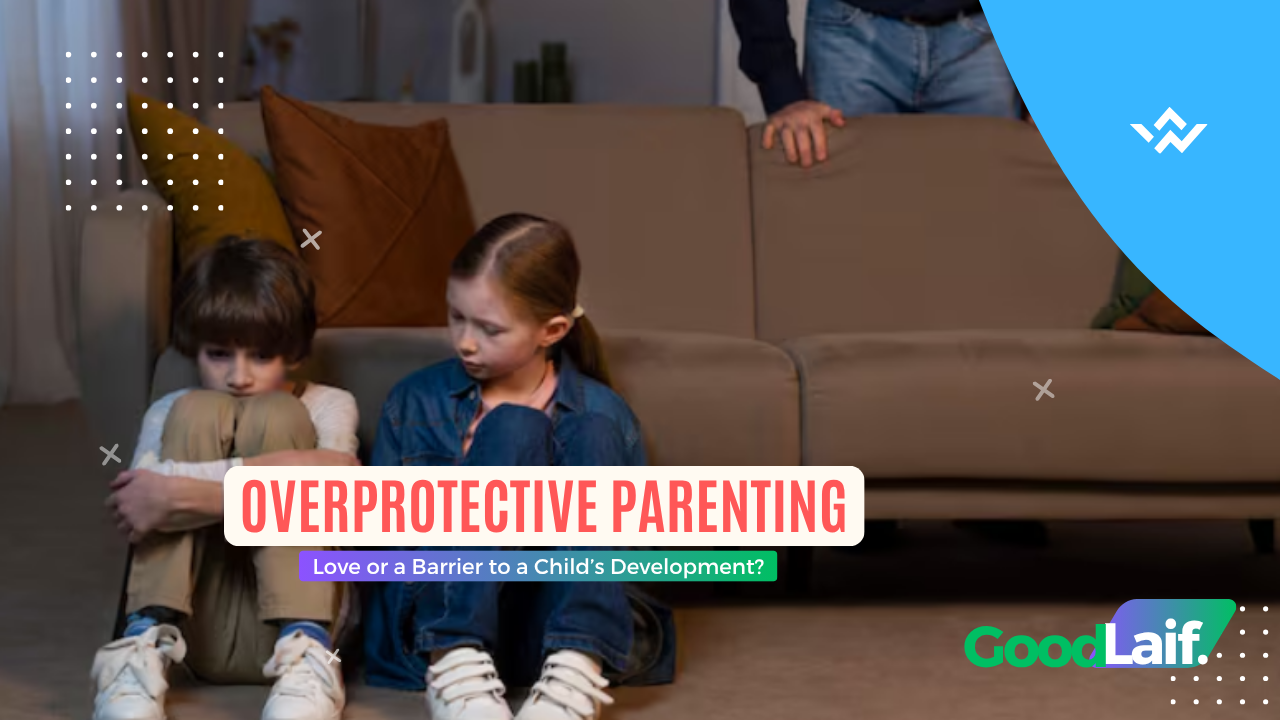
Every parent naturally wants to protect their child from danger, failure, and pain. This instinct is completely normal. However, when protection turns into excessive control, it becomes a parenting style known as overprotective parenting.
On one hand, this approach may appear caring and full of love. On the other hand, many studies show that excessive protection can actually hinder a child’s development, especially in terms of independence, self-confidence, and the ability to face life’s challenges. So, is overprotective parenting truly an expression of love, or does it limit a child’s future?
What Is Overprotective Parenting?
Overprotective parenting is a style in which parents provide excessive protection, even in situations that are not truly dangerous.
Parents with this approach tend to:
- Shield children from even the smallest risks
- Over-control their decisions
- Step in to solve problems too quickly
- Limit exploration and new experiences
While the intention is to keep children safe, this approach often prevents them from learning through experience.
Signs of Overprotective Parenting
To better recognize this pattern, here are some common signs:
1. Excessive Control Over Activities
Children are not given space to make choices or try new things.
2. Avoiding Failure at All Costs
Parents intervene before the child has a chance to try on their own.
3. Constant Worry
Even about situations that are generally safe.
4. Difficulty Letting Children Be Independent
For example, not allowing children to play alone or be out of constant supervision.
5. Taking Over Responsibilities
From school tasks to social issues, parents often step in instead of letting children handle things themselves.
The Impact on Children
Although it may seem like an act of care, overprotective parenting can have long-term effects:
1. Lack of Independence
Children become dependent on their parents and struggle to make decisions.
2. Low Self-Confidence
Without facing challenges, children may feel incapable when acting on their own.
3. Fear of Failure
They become reluctant to try new things due to a lack of experience with risk.
4. Poor Social Skills
Limited exposure can make it difficult to interact and resolve conflicts.
5. Higher Anxiety Levels
Excessive protection can make children see the world as a dangerous place.
Why Do Parents Become Overprotective?
Several factors may lead to this behavior:
- Past trauma or negative experiences
- Fear of losing their child
- Social pressure to be a “perfect parent”
- Lack of understanding of child development
- Living in an environment perceived as unsafe
Understanding these reasons helps parents become more aware of their parenting style.
Overprotective vs. Caring: What’s the Difference?
Not all protection is harmful. The key difference lies in balance.
Caring Parenting:
- Provides support while allowing freedom
- Teaches children to face risks safely
- Encourages learning from mistakes
Overprotective Parenting:
- Eliminates all risks
- Controls nearly every aspect of life
- Leaves no room for independence
The key is to protect without removing opportunities to learn.
How to Avoid Overprotective Parenting
Here are some practical steps parents can take:
1. Give Children Opportunities to Try
Allow them to do things on their own, even if the outcome isn’t perfect.
2. Let Them Experience Failure
Failure is an essential part of learning.
3. Build Trust
Believe that your child is capable of learning and growing.
4. Manage Excessive Fear
Evaluate whether your concerns are realistic or based on assumptions.
5. Teach Problem-Solving Skills
Instead of immediately helping, guide children to find solutions themselves.
When Should Parents Be Protective?
Protection is still necessary, especially in matters of:
- Physical safety
- Truly dangerous environments
- Very young children
However, as children grow, they need more space to develop independence.
Conclusion
Overprotective parenting often starts with good intentions, protecting children from harm and hardship. However, when taken too far, it can hinder a child’s long-term development.
Healthy love does not mean removing all risks. Instead, it means guiding children so they can face life with confidence and independence. By balancing protection and freedom, parents can help their children grow into strong, resilient individuals who are ready to navigate the world.
READ ALSO ARTICLE: Single Parent Have a Significant Impact on Childrens