


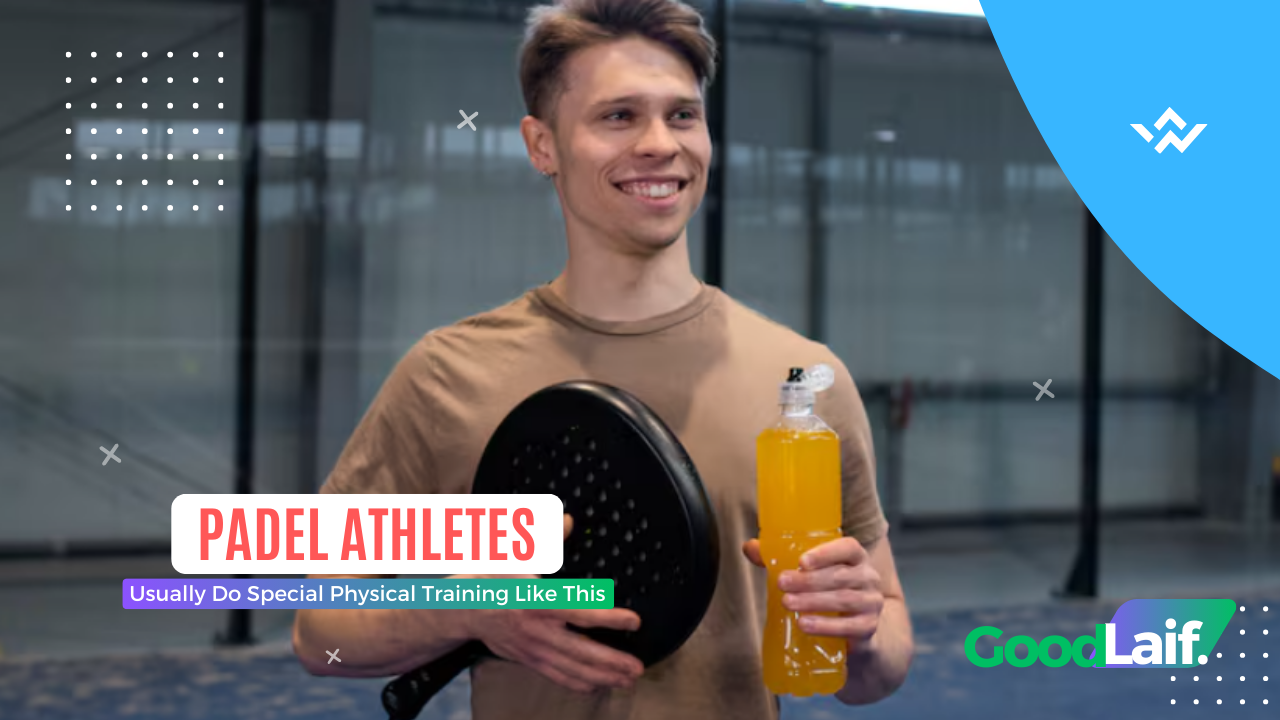
Padel is a racket sport that combines elements of tennis and squash, yet has its own unique characteristics. Padel athletes are required to have optimal strength, speed, agility, and endurance. Therefore, physical training programs for padel players are specifically designed to meet the demands of this intense, dynamic sport full of directional changes. This article explains the types of physical training commonly performed by professional padel athletes.
1. Muscle Strength Training


Padel athletes need strong upper body, lower body, and core muscles to generate stable shots and maintain position while moving quickly.
a. Leg Strength
Exercises such as squats, lunges, step-ups, and leg presses are important for improving stability and power during jumps or sudden changes of direction.
b. Core Strength
A strong core helps maintain balance and power in shots. Recommended exercises include planks, Russian twists, leg raises, and medicine ball rotations.
c. Shoulder and Arm Strength
Shoulder presses, lateral raises, and resistance band training help maintain strength and prevent shoulder injuries, which are common in padel players.
2. Agility Training
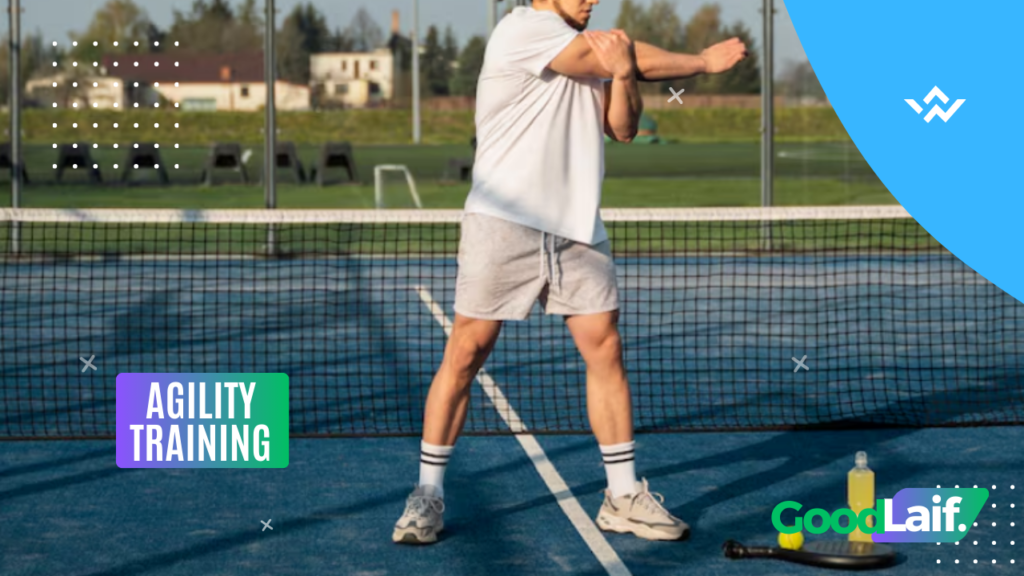
Agility is a key aspect of padel because players must react quickly to ball rebounds off the walls and navigate a smaller playing space than in tennis.
Common programs include:
- Ladder drills
- Cone shuffle
- Short-distance sprints
- Side-to-side movements
These drills help athletes move quickly, change direction efficiently, and maintain optimal positioning.
3. Speed Training
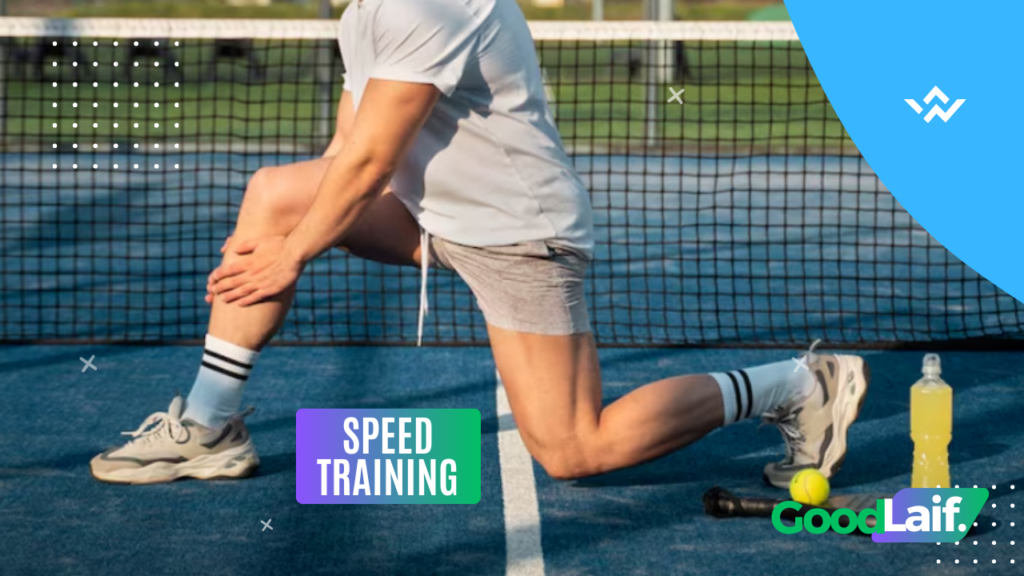
Padel players require speed, especially in short sprints and reactions to the ball. Training includes:
- 5–20 meter sprints
- Reaction-based sprints (following a coach’s signal)
- High-intensity interval sprints
Speed training helps players anticipate the ball’s direction and reach hitting positions more quickly.
4. Endurance Training
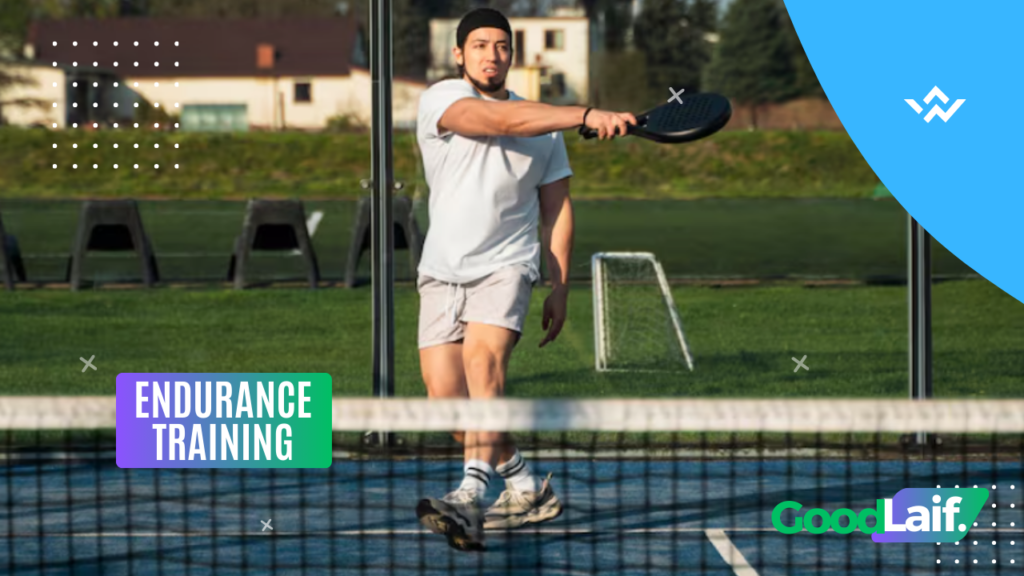
Although padel matches are not as long as tennis matches, the intensity remains high. Endurance training ensures players stay energized throughout the game.
Common exercises include:
- Interval running
- Circuit training
- Low-intensity continuous jogging
- High-intensity interval training (HIIT)
These exercises improve lung capacity and the heart’s efficiency during intense activity.
5. Flexibility and Mobility Training
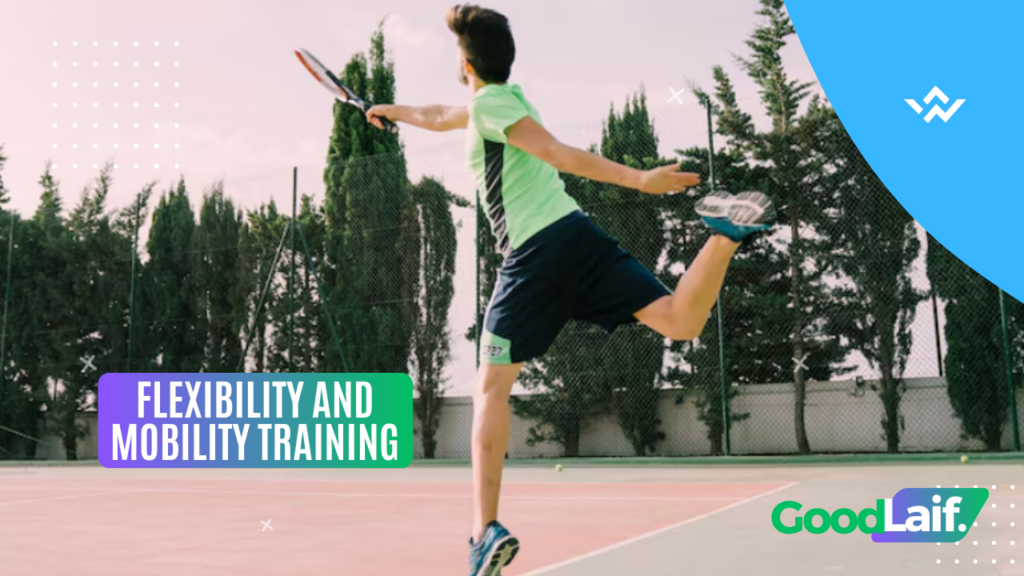
Good mobility helps players prevent injuries and improve shot reach. Flexibility training includes:
- Dynamic stretching before workouts
- Static stretching after workouts
- Foam rolling to reduce muscle tension
- Mobility drills for hips, shoulders, and ankles
This program enhances flexibility and optimizes technical movement.
6. Reaction and Coordination Training
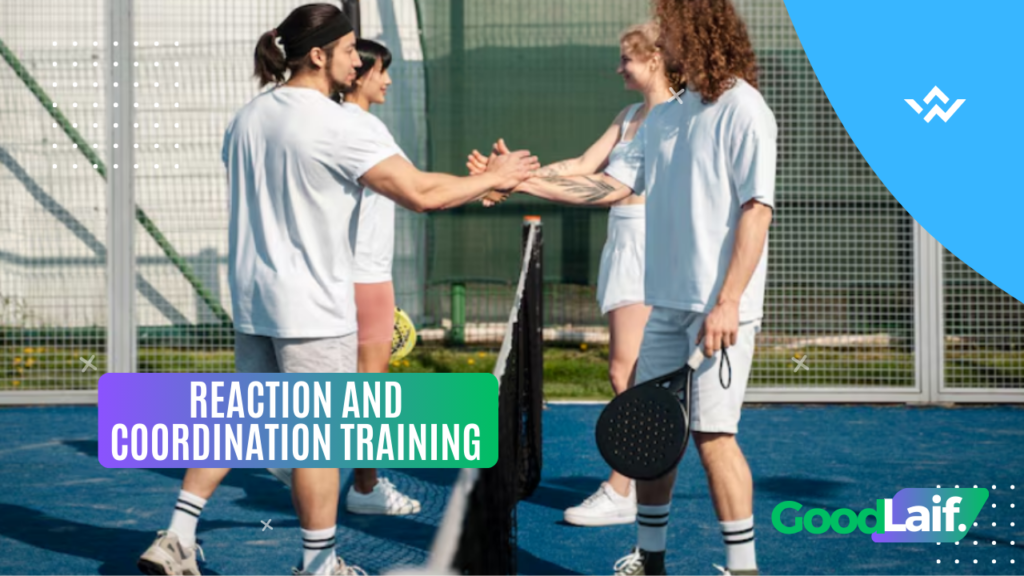
Padel demands excellent hand-eye coordination and quick reactions to constantly changing ball directions.
Common exercises include:
- Catch and throw drills
- Ball drop reaction exercises
- Using reflex balls
- Basic racket-ball coordination drills against the wall
These exercises sharpen response time and improve shot control.
7. Padel-Specific Technique Training Under Physical Load
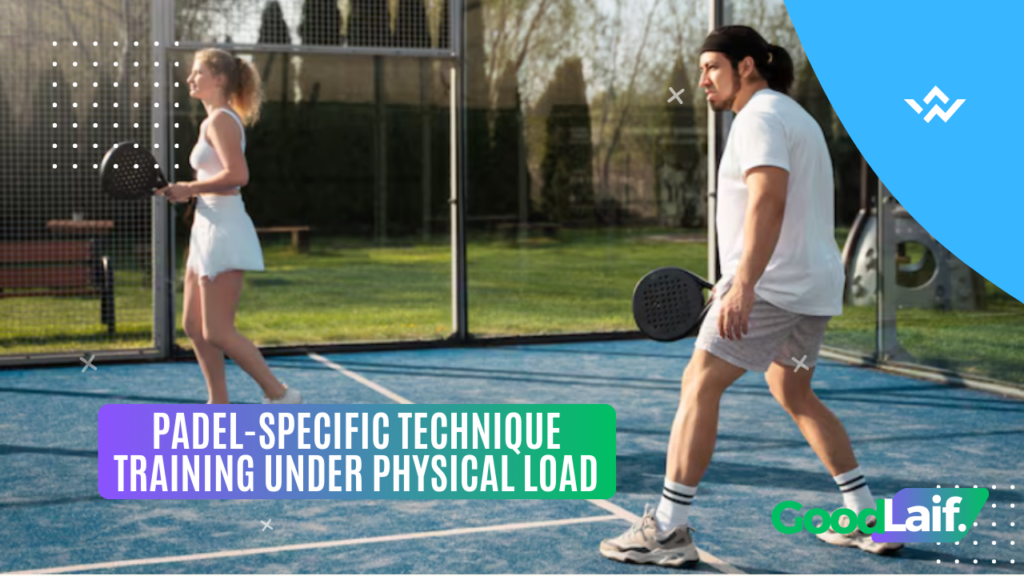
In addition to general physical training, padel athletes also integrate technique practice at high intensity, such as:
- Fast rally drills
- Game simulations from various positions
- Hitting drills while moving laterally
- Combinations of smashes, volleys, and lobs under fatigue
The goal is to maintain optimal technique even when the body is working at maximum capacity.
Conclusion
Physical training for padel athletes is designed comprehensively to support performance in a fast, explosive, and highly dynamic sport. The program includes strength, agility, speed, endurance, flexibility, reaction training, and high-intensity technical simulations. By consistently following this program, padel athletes can improve performance, reduce injury risk, and compete at the professional level more effectively.
READ ALSO ARTICLE: Padel Athletes Usually Do Special Physical Training Like This