


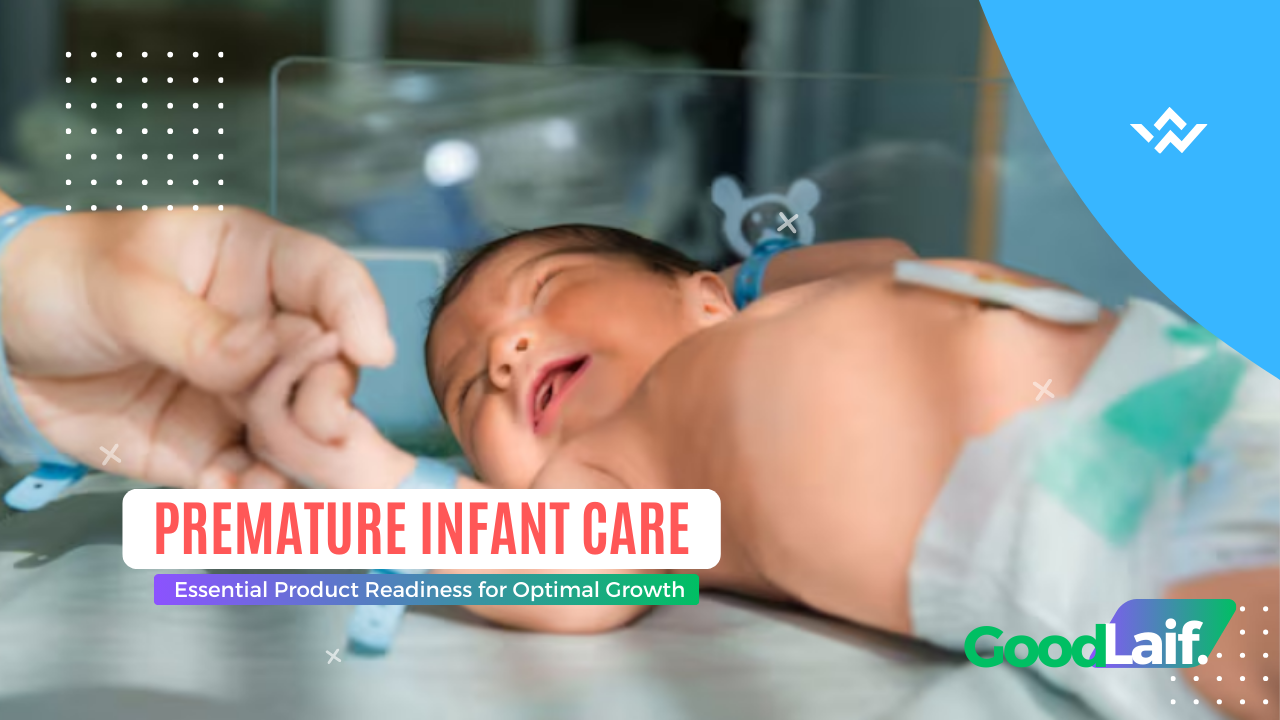
Preterm labor is a condition in which childbirth occurs before 37 weeks of gestation. This condition remains one of the leading causes of neonatal morbidity and mortality worldwide. The primary challenge lies in the incomplete development of vital organs, which makes premature infants highly vulnerable after birth. Therefore, proper preparation and product readiness are essential to ensure optimal premature infant care from the very beginning.
Why Product Readiness Is Crucial in Premature Infant Care
Premature infants face various health risks, including respiratory distress, difficulty maintaining body temperature, infections, and nutritional deficiencies. Adequate product readiness supports premature baby care by stabilizing the newborn’s condition, enabling continuous medical monitoring, reducing complications, and supporting the infant’s physiological adaptation during early life.
Essential Products for Premature Infant Care

Neonatal Incubator
A neonatal incubator is a core component of premature baby care. It helps maintain stable body temperature, regulate humidity, and protect the infant from environmental exposure and infection.
Respiratory Support Equipment
Because lung development is often incomplete, respiratory support devices such as CPAP, neonatal ventilators, and medical oxygen are essential to support breathing and oxygenation in premature infants.
Vital Signs Monitoring Devices
Continuous monitoring of heart rate, oxygen saturation, and respiratory rate allows healthcare professionals to detect early changes in the infant’s condition and respond quickly, ensuring safe and effective premature baby care.
Specialized Nutrition for Preterm Infants
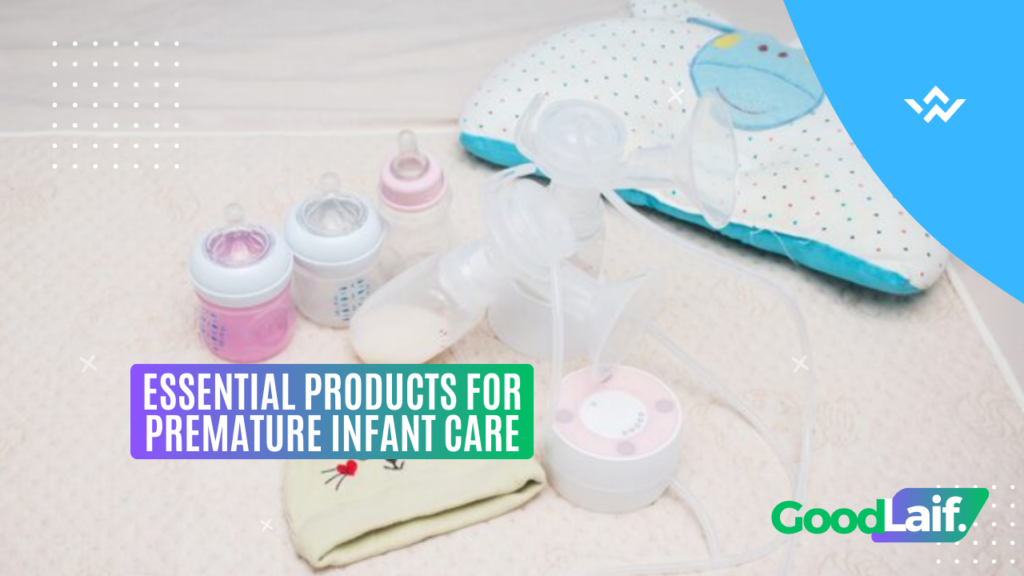
Proper nutrition plays a critical role in growth and organ development. Premature baby care requires access to expressed breast milk, feeding tubes, assisted feeding devices, and preterm infant formula when breast milk is insufficient.
Sterilization and Infection Control Supplies
With an underdeveloped immune system, premature infants are extremely susceptible to infection. Sterilization equipment, medical-grade antiseptics, and disposable hygiene supplies are essential elements of safe premature baby care.
Preterm Diapers and Clothing
Specially designed diapers and soft, breathable clothing help protect sensitive skin, minimize irritation, and improve comfort during the early stages of premature infant care.
Medications and Supporting Medical Supplies
Healthcare facilities must be equipped with essential medications such as pulmonary surfactant, neonatal antibiotics, and intravenous fluids, along with neonatal-sized infusion devices for accurate and safe delivery.
Family Involvement in Premature Infant Care
Beyond medical readiness, family involvement is a vital component of successful premature infant care. Understanding medical guidance, preparing basic supplies, and actively participating in care routines can significantly support the infant’s recovery and long-term development.
Conclusion
Preterm labor requires specialized management and thorough preparation. The availability of appropriate medical products and equipment is fundamental to effective premature infant care. Through structured planning, adequate healthcare support, and active family participation, the risks associated with preterm birth can be minimized while improving survival and quality of life for premature infants.
READ ALSO ARTICLE: Babyproofing Shouldn’t Be Overlooked: Protect Your Baby at Home Now