


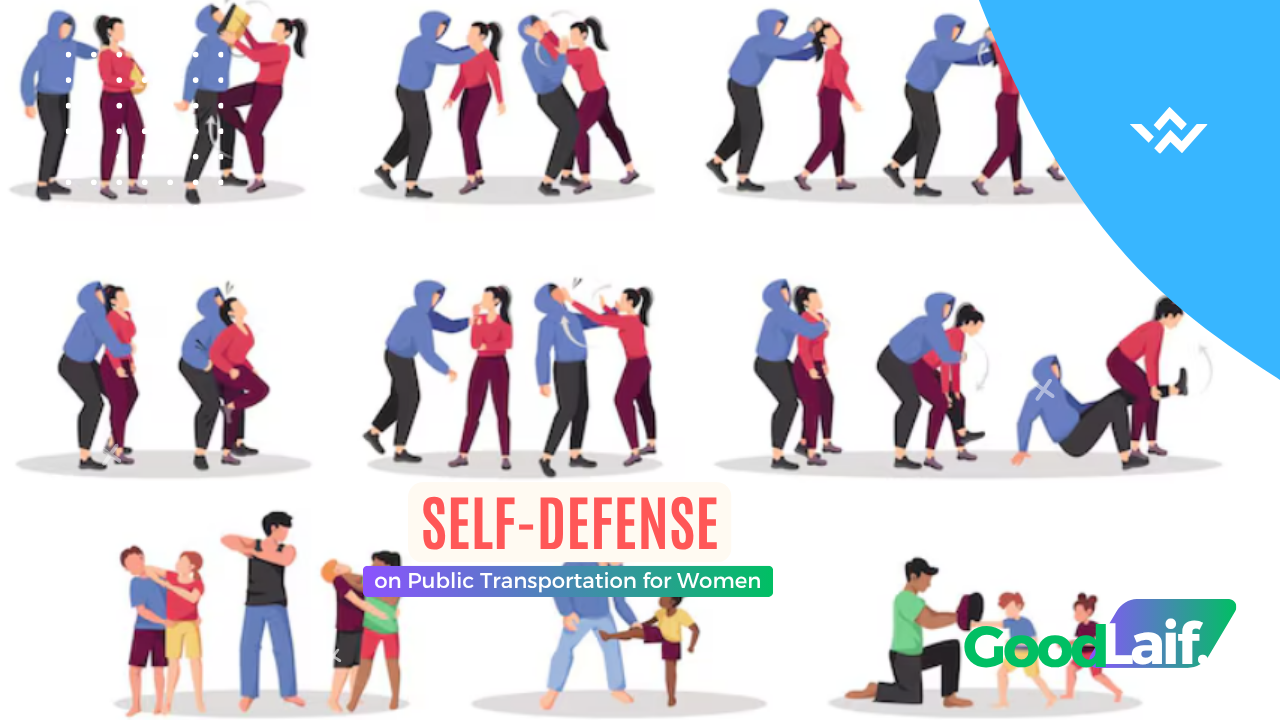
Public transportation is part of everyday life, especially in big cities. But for many women, it doesn’t always feel safe. Risks like verbal harassment, unwanted touching, or more serious situations can happen without warning. Most discussions about self-defense focus on physical techniques. In reality, the most important factors are situational awareness, prevention strategies, and knowing how to respond effectively. This article highlights practical, often overlooked tips that are highly relevant in real-life situations.
1. Position Matters More Than Strength
Many people assume self-defense means being able to fight back. In reality, where you stand or sit often matters more than physical strength.
- Choose a position near doors or easy exits
- Avoid being trapped in corners or tight spaces without escape routes
- If possible, stand where you have some room to move
Good positioning gives you options, to move away, create distance, or exit quickly if needed.
2. Practice Personal Space Awareness
In crowded public transport, personal space can easily disappear. Still, it’s important to stay aware of who is too close.
Pay attention to:
- Repeated or intentional body contact
- Someone consistently moving closer to you
- Physical contact that feels unnatural or deliberate
If something feels off, don’t hesitate to change your position, even if it means standing or moving to another area.
3. Don’t Get Lost in Your Phone
One of the most common mistakes is being too absorbed in your phone, scrolling, texting, or listening to music at high volume.
This can:
- Reduce awareness of your surroundings
- Slow your reaction time
- Make you appear like an easy target
You can still use your phone, but stay alert. Look up occasionally and scan your environment.
4. Use Confident Body Language
People with harmful intent often look for individuals who appear unsure, distracted, or passive. Your body language sends signals.
Safer body language includes:
- Standing upright and balanced
- Keeping a focused, aware gaze (not confrontational, but not avoiding eye contact completely)
- Moving with intention and confidence
Without saying a word, you can signal that you are not an easy target.
5. Simple Techniques for Immediate Situations
If unwanted physical contact happens, simple actions can help create space:
- Use your elbows to protect your personal space in tight areas
- Push away firmly but controlled to create distance
- Use your voice, saying “excuse me” in a firm tone can draw attention
The goal is not to fight, but to break contact and move away safely.
6. Use Your Environment and the People Around You
One advantage of public transportation is that you’re not alone.
If you feel unsafe:
- Move closer to groups, families, or other women
- Stay near staff or security if available
- Position yourself in well-lit or high-traffic areas
Don’t hesitate to seek visibility. Being around others can deter harmful behavior.
7. Trust Your Instincts, Don’t Wait for Proof
Many women ignore discomfort because they think they might be overreacting. In reality, instincts are often early warning signals. If you feel:
- Followed
- Watched excessively
- Uncomfortable without a clear reason
Act early. Move, change location, or get off at the next stop if necessary. It’s better to act sooner than regret waiting.
8. Always Have an Exit Plan
This is rarely discussed, but extremely important: always think about your exit.
For example:
- Know the next stop or station
- Stand where you can exit quickly
- Avoid being stuck in the middle of a dense crowd
A simple plan reduces panic and helps you act faster when needed.
9. Mental Training Is More Important Than Physical Skills
In real situations, many people freeze. This is a natural response, not a weakness.
What you can train:
- Practicing saying “no” firmly
- Mentally rehearsing simple response scenarios
- Building awareness habits in daily routines
Mental preparation helps you stay functional under pressure.
Conclusion
Self-defense on public transportation is not about winning a fight, it’s about awareness, preparedness, and making smart decisions quickly. Many dangerous situations can be avoided not through force, but through early recognition and proactive action. Safety is not just about defending yourself physically, but about understanding your environment and protecting yourself in a practical, intelligent way.
READ THIS ARTICLE: Kickboxing and Its Hidden Benefits for the Body and Mind