


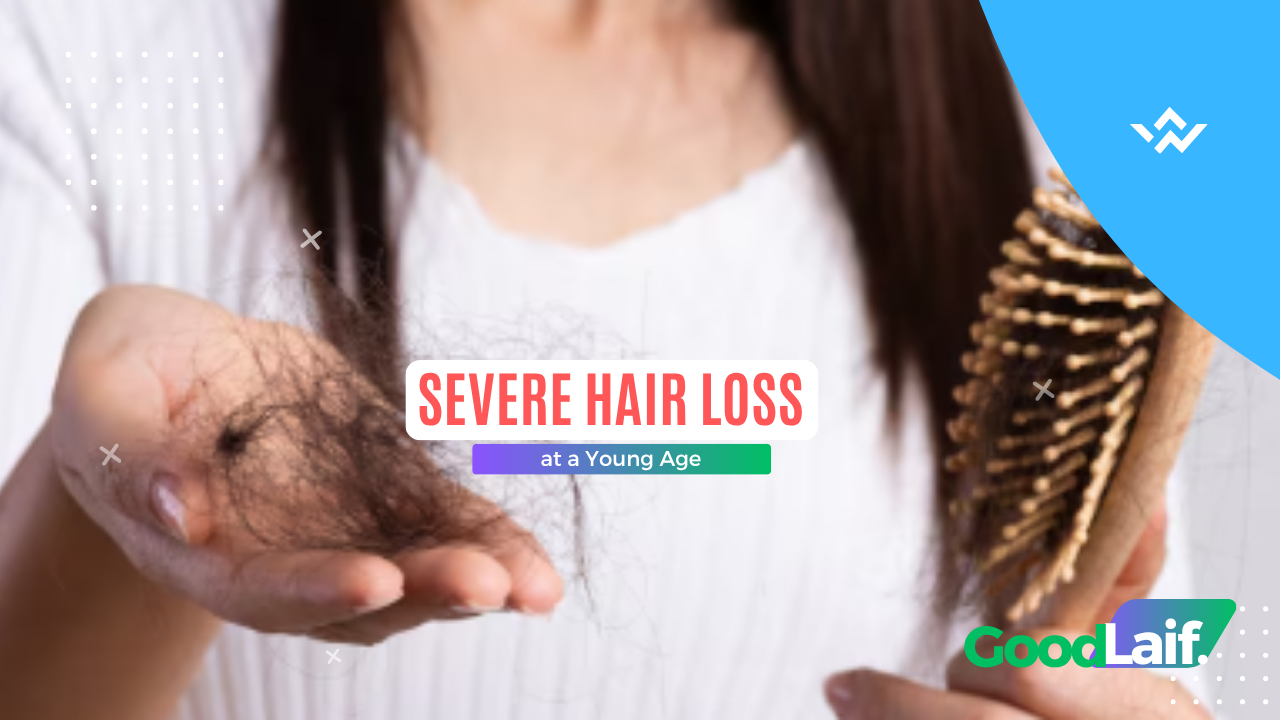
Severe hair loss at a young age is becoming increasingly common, especially among men aged 20-30. If left untreated, this condition can develop into permanent baldness. In medical terms, excessive hair loss is often associated with alopecia, which can be triggered by genetic factors, hormones, and lifestyle habits. This article discusses the causes, symptoms, and effective ways to treat severe hair loss so you can take action early.
What Is Severe Hair Loss?
Hair loss is a natural process. On average, a person loses around 50-100 strands of hair per day. However, if the amount significantly exceeds this and is accompanied by noticeable thinning, it is considered abnormal. Severe hair loss is often an early sign of premature baldness, especially when it occurs continuously over a long period.
Signs of Severe Hair Loss
Below are some warning signs to watch out for:
- Losing more than 100 strands of hair per day
- A receding hairline
- Thinning at the crown area
- Hair becoming visibly thinner and weaker
- The scalp becoming more visible
If you experience several of these signs, it is advisable to start treatment immediately.
Causes of Severe Hair Loss at a Young Age

1. Genetic Factors
Heredity is the most common cause of early baldness. If your parents experienced hair loss, your risk is higher.
2. DHT Hormone
Dihydrotestosterone (DHT) is a hormone that shrinks hair follicles, causing hair to become thinner and eventually stop growing.
3. Excessive Stress
Stress can trigger sudden and significant hair loss, a condition known as telogen effluvium.
4. Poor Diet
A lack of essential nutrients such as protein, iron, and vitamin B can weaken hair roots.
5. Overuse of Hair Products
Frequent use of hair dyes, gels, and heat styling tools can damage hair.
6. Certain Medical Conditions
Some cases are caused by conditions like alopecia areata, which leads to patchy hair loss.
Effective Ways to Treat Severe Hair Loss
1. Use Proven Medications
Some commonly used medical treatments include:
- Minoxidil to stimulate hair growth
- Finasteride to reduce the hormone causing hair loss
These medications should be used under medical supervision.
2. Improve Your Diet
Consume foods that support hair health:
- High-protein foods (eggs, fish, chicken)
- Iron-rich foods (spinach, red meat)
- Essential vitamins and minerals
3. Manage Stress
Reduce stress through exercise, adequate sleep, and relaxation activities to maintain hormonal balance.
4. Practice Proper Hair Care
- Use shampoo suitable for your hair type
- Avoid excessive heat styling
- Perform regular scalp massages
5. Consider Medical Treatments
For more severe cases:
- PRP (Platelet-Rich Plasma) therapy
- Hair transplant
- Consultation with a specialist
Can Hair Grow Back?
The answer depends on the cause. If the hair follicles are still active, regrowth is possible with proper treatment. However, if the follicles are no longer active, medical procedures may be required.
Tips to Prevent Early Baldness
- Maintain a healthy diet
- Avoid excessive stress
- Use safe hair care products
- Limit the use of heat styling tools
- Take care of your scalp regularly
Conclusion
Severe hair loss at a young age should not be taken lightly. Genetic factors, hormones, and lifestyle all play significant roles in this condition. With early and proper treatment, there is still a strong chance to prevent permanent baldness. For best results, combine natural care with medical treatment as needed. If hair loss persists, consult a medical professional to get the right solution.
READ ALSO ARTICLE: Can Hair Loss Grow Back? Here Are The Facts