


Skin that feels dry, rough, or tight after cleansing is often a sign that it is lacking moisture. To address this issue, many people have started incorporating skin flooding into their skincare routine as a hydration-focused technique. This method involves applying several moisturizing products in sequence while the skin is still slightly damp. The goal is to help retain moisture on the skin’s surface, leaving it feeling softer, plumper, and more comfortable.
What Is Skin Flooding?
Skin flooding is a skincare technique that emphasizes layering products containing humectants, emollients, and moisturizers. Rather than overwhelming the skin with multiple products, this method aims to maximize hydration and reduce water loss.
Ingredients such as hyaluronic acid, glycerin, panthenol, aloe vera, and ceramides are commonly used because they help maintain moisture while supporting a healthy skin barrier.
How to Perform Skin Flooding Correctly

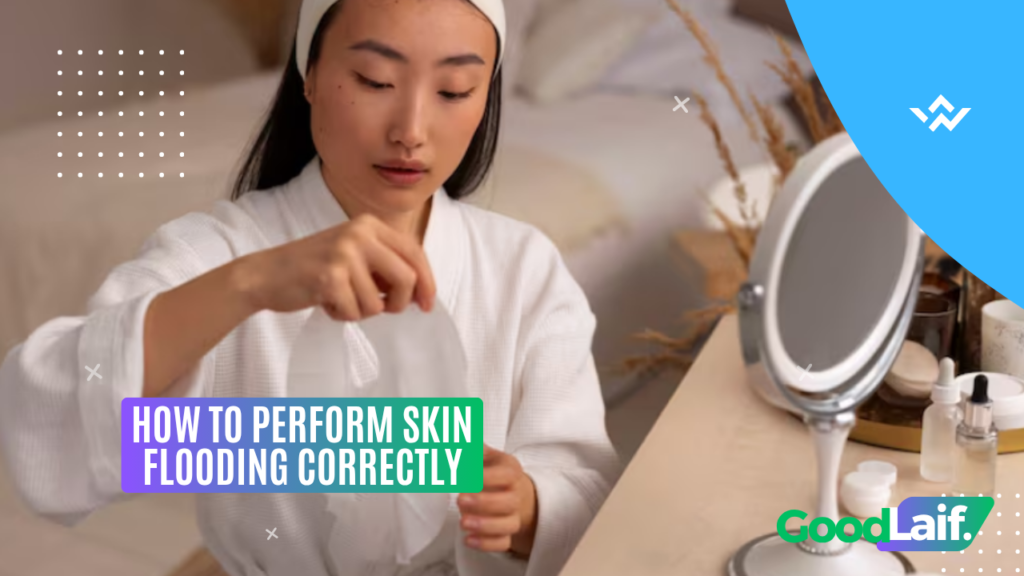
Follow these steps to achieve the best results.
1. Cleanse Your Face with a Gentle Cleanser
Use a facial cleanser that matches your skin type. Avoid harsh cleansers that leave your skin feeling overly tight, as they can strip away its natural moisture.
2. Do Not Let Your Skin Dry Completely
After washing your face, gently pat it with a clean towel until it is still slightly damp. Applying hydrating products at this stage helps them work more effectively.
3. Apply a Hydrating Toner or Essence
Choose a product containing moisture-binding ingredients such as glycerin or hyaluronic acid. Apply it evenly without rubbing the skin too harshly.
4. Use a Hydrating Serum
A serum formulated with hyaluronic acid, panthenol, beta-glucan, or polyglutamic acid can help improve skin hydration.
5. Lock in Moisture with a Moisturizer
Finish your routine with a moisturizer containing ceramides, squalane, or shea butter. These ingredients help reduce moisture loss and keep the skin hydrated for longer.
Common Mistakes to Avoid
To get the most out of your skincare routine, avoid these common mistakes:
- Using too many products at once.
- Applying skincare after the skin has completely dried.
- Combining too many active ingredients that may cause irritation.
- Choosing a moisturizer that does not suit your skin type.
- Skipping sunscreen during the daytime.
Who Can Benefit from This Method?
This technique is generally suitable for people with:
- Dry skin.
- Dehydrated skin.
- Sensitive skin.
- Dull skin caused by a lack of moisture.
People with oily skin can also try skin flooding by selecting lightweight, non-comedogenic, and oil-free products that provide hydration without leaving a greasy feeling.
Tips to Keep Your Skin Hydrated Throughout the Day
Besides practicing skin flooding correctly, maintaining skin hydration also depends on your daily habits. Here are a few helpful tips:
- Drink enough water throughout the day.
- Avoid taking hot showers, as they can dry out the skin.
- Use a humidifier if you spend long hours in air-conditioned rooms.
- Apply sunscreen every morning to protect your skin barrier from UV damage.
- Choose skincare products that suit your skin’s needs and condition.
Conclusion
Skin flooding is a hydration technique that can help maintain healthy, moisturized skin when performed in the correct order. The key is not using more products, but selecting the right ingredients and applying them while the skin is still slightly damp. Combined with a consistent skincare routine and healthy lifestyle habits, this approach can leave your skin feeling smoother, plumper, and hydrated throughout the day.
READ ALSO ARTICLE: Night Skincare Routine for Healthy and Well Cared For Skin