


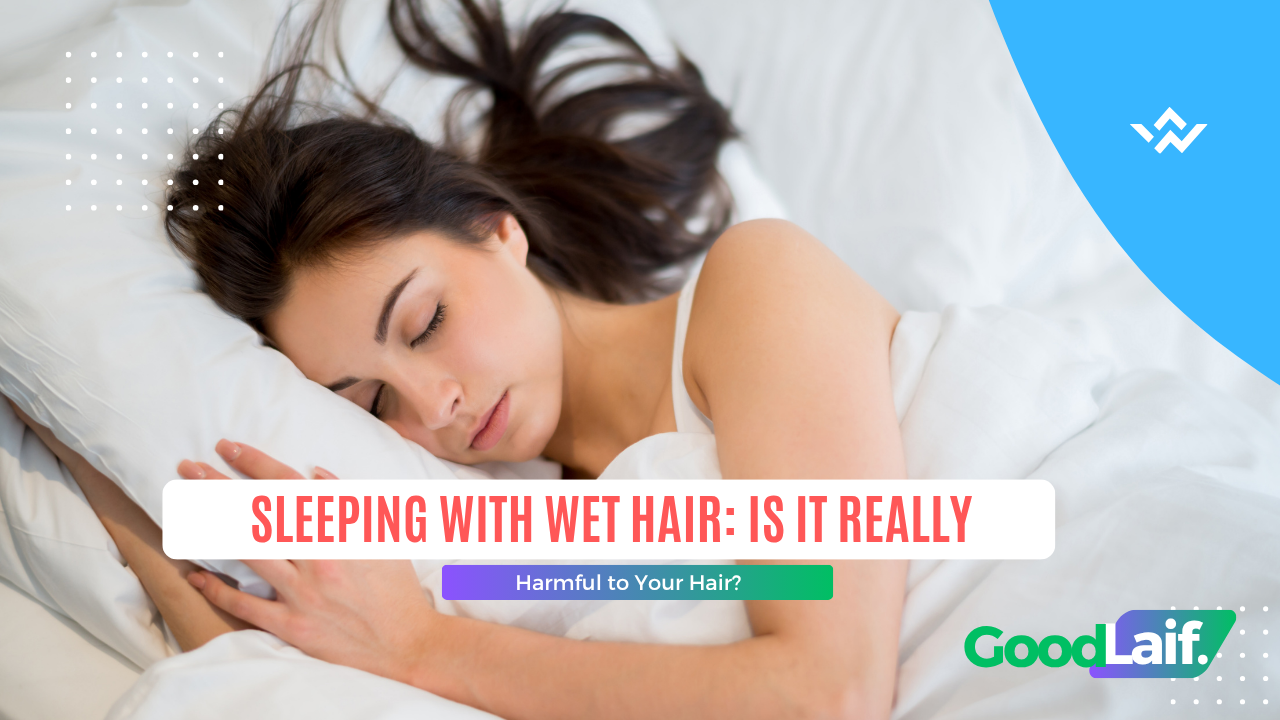
Ever washed your hair at night and gone straight to bed because you were too tired to dry it? Many people have the habit of sleeping with wet hair, and it’s often believed to cause colds, headaches, or other health problems. But is that really true?
The good news is that sleeping with wet hair is not always harmful. However, doing it regularly may affect the health of your hair and scalp.
What Happens When You Sleep with Wet Hair?
When your hair is still wet, the moisture trapped in your hair and scalp takes longer to dry. Once your head rests on a pillow, airflow becomes limited, allowing the damp environment to last longer. Over time, this extra moisture may affect both your hair and scalp.
What Are the Risks of Sleeping with Wet Hair?

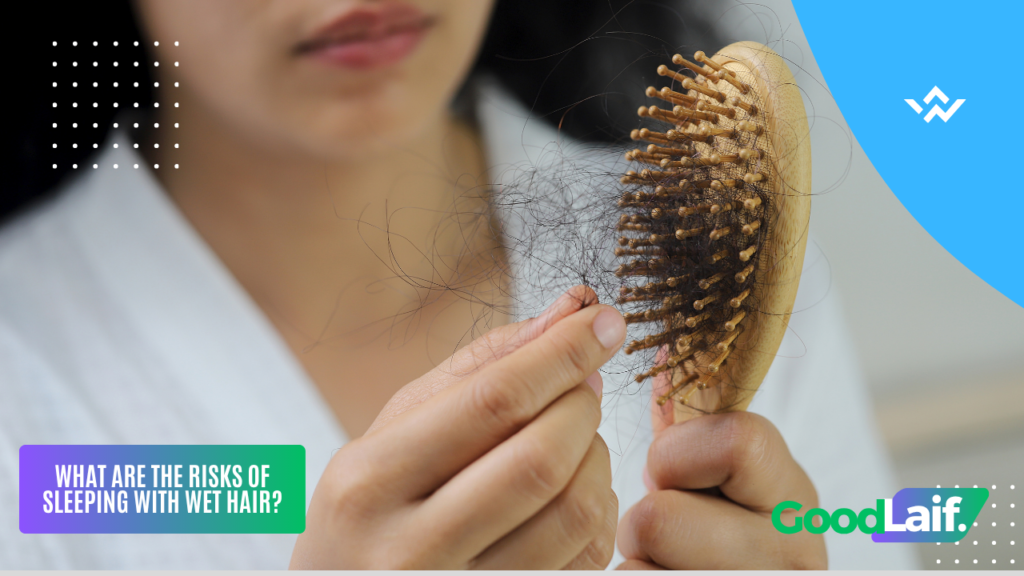
Although it doesn’t always cause problems, there are a few potential risks worth knowing.
1. Hair Becomes More Fragile
Wet hair is more vulnerable because the hair cuticle is open, making each strand weaker than usual. Friction against your pillow while you sleep can lead to tangles, breakage, and split ends.
2. Dandruff and an Itchy Scalp
Leaving your scalp damp for hours may encourage the growth of Malassezia, a type of yeast commonly associated with dandruff. As a result, your scalp may become itchy, oily, or develop more visible flakes.
3. A Damp Pillow
A pillow that frequently absorbs moisture from wet hair can stay damp for longer. If pillowcases are not changed regularly, the moist environment may encourage the growth of bacteria, fungi, and dust mites.
4. Messy Hair in the Morning
Have you ever woken up with hair that’s tangled and difficult to manage? Sleeping with wet hair can make your hair lose its natural shape and become frizzy because of constant friction against the pillow.
Can Sleeping with Wet Hair Make You Sick?
Considering the risks above, it’s understandable why many people worry about washing their hair before bed.
However, there is currently no scientific evidence that sleeping with wet hair directly causes colds or the flu. Colds and influenza are caused by viruses, not by wet hair.
If you feel chilly or think you’ve “caught a cold” after going to bed with wet hair, it’s more likely due to changes in body temperature or the discomfort of having damp hair rather than the wet hair itself.
How Can You Sleep More Safely with Wet Hair?
If you have no choice but to sleep after washing your hair, these tips may help reduce the risks:
- Dry your hair with a clean towel or a hair dryer using a medium heat setting.
- Avoid tying your hair while it’s still wet, as this can increase breakage.
- Change your pillowcase regularly to keep it clean.
- Wash your hair a few hours before bedtime whenever possible.
- If you’re in a hurry, use a satin pillowcase. Its smooth surface creates less friction than cotton, helping reduce hair damage.
When Should You See a Doctor?
See a healthcare professional if you experience:
- Persistent scalp itching.
- Worsening dandruff.
- Redness or a rash on your scalp.
- Excessive hair loss.
- Pain, sores, or signs of a scalp infection.
Disclaimer: This article is for educational purposes only and is not a substitute for professional medical advice. If your symptoms are severe or keep coming back, consult a healthcare provider.
Read Also : Revenge Bedtime: Delaying Sleep for Me Time
Conclusion
Sleeping with wet hair does not directly cause colds or the flu. However, making it a regular habit may increase the risk of hair breakage, dandruff, and scalp problems.
In short, wet hair won’t make you catch a cold. But if you go to bed with wet hair every night, your hair and scalp may be the first to suffer. Drying your hair before bed is a simple habit that can help keep your hair healthy and strong. Why not start tonight?