


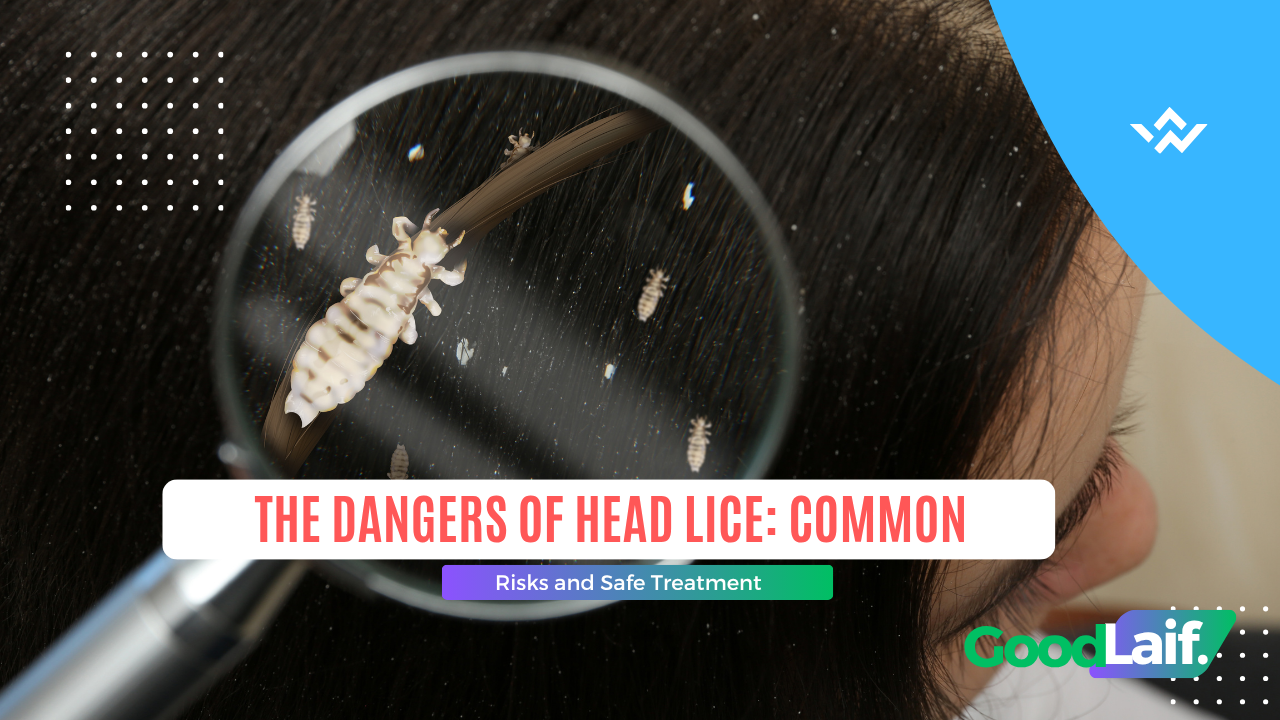
The dangers of head lice are often questioned when an itchy scalp just won’t go away. A constantly itchy head can make it difficult to focus at work, school, or even get a good night’s sleep. Fortunately, head lice rarely cause serious illness. However, they should not be ignored, as they can lead to scalp irritation, skin infections, and spread easily to other people.
Head lice can affect anyone, including children and adults. They are not always a sign of poor hygiene. In most cases, they spread through direct head-to-head contact or by sharing personal items such as combs, hats, or hair accessories.
This article is for educational purposes only and should not replace medical advice, diagnosis, or treatment from a qualified healthcare professional.
What Are the Dangers of Head Lice?
Head lice are tiny insects that live on the scalp and feed on small amounts of human blood. Their bites trigger an allergic reaction that causes persistent itching, which often becomes more noticeable as the number of lice increases.
Although head lice rarely lead to serious health complications, the dangers of head lice can increase if the problem is left untreated.
Potential Risks of Head Lice
1. Scalp Irritation
Lice bites can make the scalp extremely itchy. Constant scratching may lead to redness, irritation, and even small cuts.
2. Skin Infections
Scratching too hard can create tiny wounds on the scalp. These openings may allow bacteria to enter, increasing the risk of infection that can cause pain, swelling, or discharge.
3. Poor Sleep Quality
Head lice are often more active at night. As a result, the itching may become more noticeable during bedtime, making it harder to sleep comfortably.
4. Easy to Spread to Family and Friends
Head lice spread easily through direct head-to-head contact. They can also be passed on by sharing combs, hats, towels, helmets, or hair accessories.
5. Lower Self-Confidence
Some people feel embarrassed or self-conscious when lice or their eggs become visible, especially in social or school settings.
Signs and Symptoms of Head Lice
Besides persistent itching, common signs include:
- A crawling sensation on the scalp.
- Tiny white or yellowish eggs (nits) firmly attached to hair shafts.
- Small sores caused by scratching.
- Redness or irritation behind the ears and around the back of the neck.
Symptoms often become more noticeable when there are larger numbers of lice.
How to Get Rid of Head Lice

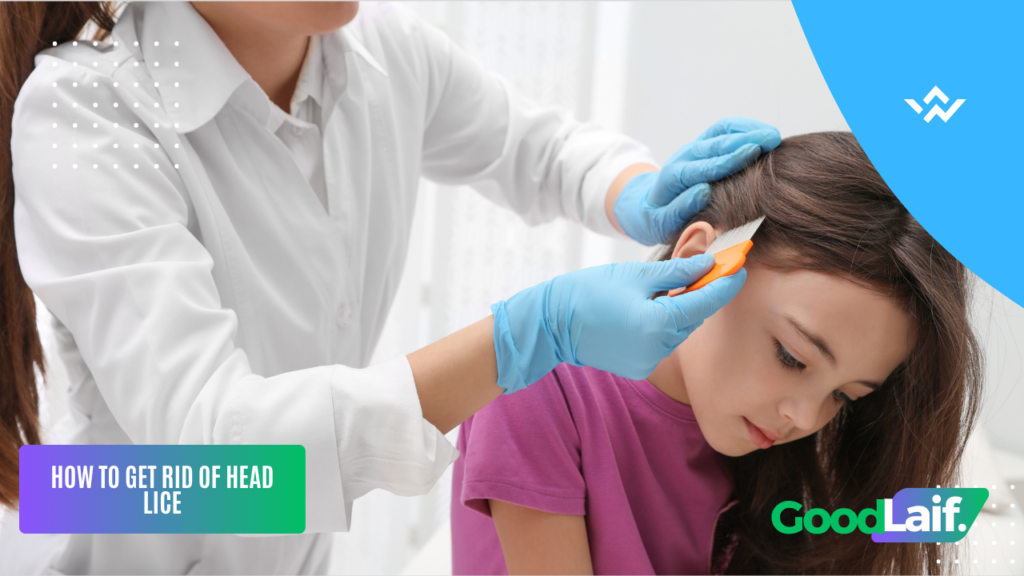
The goal of treatment is to eliminate both adult lice and their eggs. Common steps include:
- Use a medicated lice shampoo or lotion according to the product instructions.
- Comb the hair thoroughly with a fine-toothed lice comb to remove lice and nits.
- Wash clothing, pillowcases, hats, and towels according to their care instructions.
- Avoid sharing personal items such as combs, hats, or hair accessories.
- Check family members who live in the same household for signs of head lice.
In some cases, treatment may need to be repeated according to the product instructions or a healthcare professional’s advice to eliminate newly hatched lice.
How to Prevent Head Lice
You can reduce the risk of head lice by following these simple habits:
- Avoid direct head-to-head contact with someone who has head lice.
- Do not share combs, hats, helmets, towels, or pillows.
- Check children’s hair regularly, especially after school or group activities.
- Clean hair accessories and grooming tools routinely.
These steps can help reduce the risk of head lice spreading within the household or community.
When Should You See a Doctor?
Seek medical advice if:
- The itching does not improve after using lice treatment as directed.
- The scalp becomes swollen, painful, or develops pus.
- Head lice keep returning despite proper treatment.
- You experience an allergic reaction after using a lice treatment product.
- The symptoms begin to interfere with daily activities or sleep.
A doctor can examine your scalp, confirm the cause of your symptoms, and recommend appropriate treatment if needed.
Read Also : Head Lice: A Small Problem That Can Cause Discomfort
Conclusion
The dangers of head lice go beyond an itchy scalp. They can cause skin irritation, bacterial infections from excessive scratching, poor sleep, and easy transmission to others. For this reason, head lice should be treated promptly using appropriate methods.
If your symptoms do not improve, frequently return, or you notice signs of a scalp infection, consult a healthcare professional for proper evaluation and treatment.