



Have you ever wondered what frequent headaches indicate and why they keep showing up at unexpected moments? Maybe you’re used to mild discomfort that comes and goes, or you often wake up with a headache that disrupts your morning routine. At first it may seem harmless, but when the pain keeps returning, it’s natural to feel curious—and even worried—about whether it signals a more serious condition.
In fact, headaches are among the most common health complaints, yet their causes can vary widely. From something simple like not drinking enough water to symptoms of underlying medical issues, headaches can tell us many things. Understanding the signals your body sends is important so you can take the right steps before the discomfort becomes more severe.
What Are the Common Causes of Frequent Headaches?

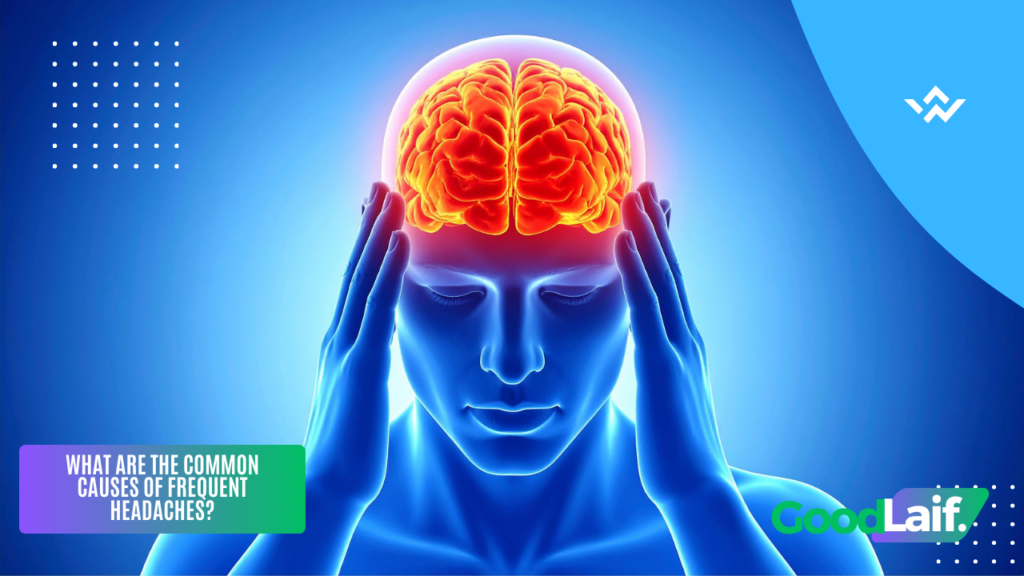
To answer the question “what do frequent headaches indicate,” we must first understand the various triggers. Even though headaches are often underestimated, they can point to many different conditions.
1. Dehydration
Lack of fluid intake is one of the most common causes of headaches. When the body is dehydrated, blood flow to the brain decreases, creating pressure that results in pain. Heavy activity, exercising in hot weather, or simply not drinking enough water can trigger this condition.
2. Lack of Sleep or Poor Sleep Quality
Sleep plays a major role in restoring the body. When you often stay up late or have restless sleep, your nervous system becomes more sensitive, making headaches more likely to appear in the morning.
3. Stress and Emotional Tension
Stress is the most common trigger of tension headaches. During stress, the muscles around the neck and shoulders tighten, creating pressure that radiates to the head.
4. Irregular Eating Patterns
Some people are very sensitive to certain foods. MSG, excessive caffeine—or caffeine withdrawal—chocolate, alcohol, and artificial food dyes can all trigger recurring headaches.
Frequent Headaches Could Indicate Certain Medical Conditions
Although many headaches are mild, some health conditions can cause persistent discomfort. This is why many people ask what frequent headaches actually indicate, especially when the symptoms don’t improve.
1. Migraine
A migraine is a throbbing headache that typically affects one side of the head and may come with nausea or sensitivity to light and sound. It often recurs due to hormonal changes, fatigue, or weather changes.
2. Sinusitis
Inflammation of the sinuses can cause pressure in the face and head. The pain is usually worse when bending down or early in the morning.
3. Eye Problems
Vision issues—such as nearsightedness or uncorrected astigmatism—force the eyes to work harder, which can trigger headaches.
4. Hypertension (High Blood Pressure)
Very high blood pressure can cause headaches, especially at the back of the head. This should not be ignored, as it may be associated with more serious health risks.
5. Hormonal Imbalance
Hormonal changes in women—especially during menstruation, pregnancy, or menopause—can trigger recurring headaches.
When Should Headaches Be Taken Seriously?
Some warning signs require more attention, such as:
- a sudden, extremely severe headache
- headaches that occur after a head injury
- headaches accompanied by high fever, severe nausea, or stiff neck
- changes in vision, slurred speech, or weakness in the limbs
- headaches that appear frequently without a clear cause and get worse over time
If any of these occur, seek medical attention immediately to determine the cause.
How to Reduce the Risk of Frequent Headaches
Here are a few simple steps that may help:
- drink enough water throughout the day
- improve your sleep quality
- reduce stress through relaxation or stretching
- adjust your diet and avoid known triggers
- take breaks from screens to rest your eyes
- get your eyes checked if they often feel strained
Read Also : Back Headache: Causes and How to Relieve It
Conclusion
To answer the question “what do frequent headaches indicate and why do they happen,” the possibilities can be quite broad depending on the cause. They may stem from mild fatigue, stress, lack of sleep, eye problems, or even certain medical conditions. Listening to your body’s signals is the best way to prevent more serious issues. If headaches occur too often or progressively worsen, don’t hesitate to consult a doctor to find the real cause.