



Have you ever felt pain in the back of your thigh after running or exercising? Many people think it’s just normal muscle soreness, but it could be related to a specific group of muscles that play a crucial role in daily movement. This often makes people curious—what is hamstring and why is it so important for the body?
The hamstring is a group of muscles located at the back of the thigh. These muscles play a key role in many body movements, especially those involving the legs such as walking, running, jumping, and bending the knee. Without properly functioning hamstrings, physical activities can become more difficult and increase the risk of injury.
What Is Hamstring?
In simple terms, hamstring is a group of muscles consisting of three main muscles at the back of the thigh: the biceps femoris, semitendinosus, and semimembranosus. These muscles work together to support leg movement.
The hamstrings connect the pelvis to the lower leg, making them essential for controlling lower body movement. Because of this, they are constantly used in both light and intense physical activities.
Functions of the Back Thigh Muscles
The hamstring has several important functions that support body movement.
1. Helps Bend the Knee
One of the main functions of the hamstring is to help bend the knee. This movement is used frequently in daily activities such as walking, sitting, and running.
2. Supports Hip Movement
In addition, the hamstring plays a role in moving the hip, especially when pulling the leg backward. This function is essential for activities like running and jumping.
3. Maintains Body Stability
The hamstring also helps maintain balance and stability, especially during fast or dynamic movements. Strong hamstrings can reduce the risk of falls and injuries.
Causes of Hamstring Injury
Hamstring injuries are quite common, especially among people who are physically active. Some common causes include:
- Lack of proper warm-up before exercise
- Tight or stiff muscles
- Sudden or excessive movements
- Poor muscle flexibility
These injuries are usually marked by pain, stiffness, or difficulty walking. In some cases, swelling or bruising may also occur in the back of the thigh.
How to Keep Your Hamstring Healthy

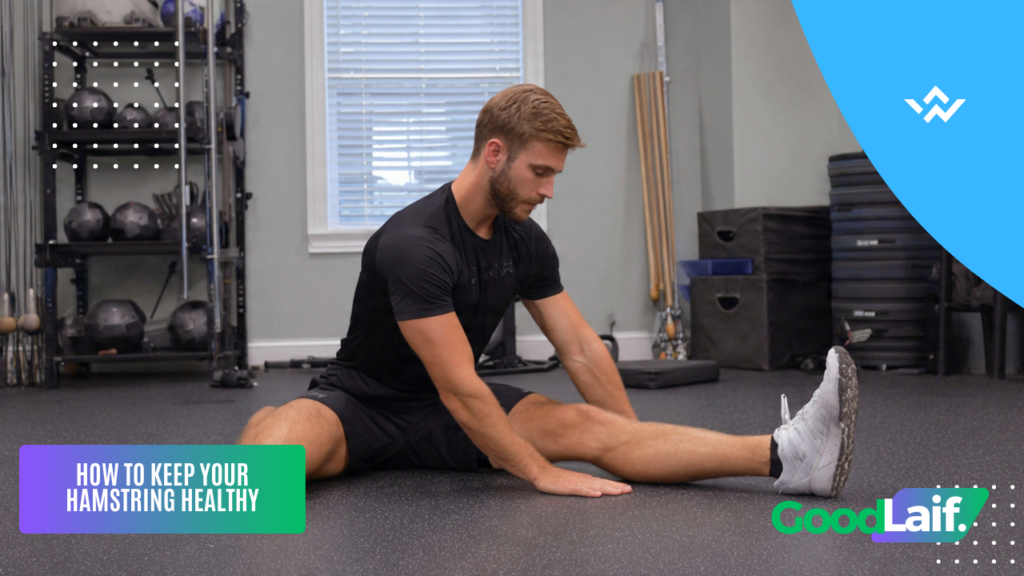
To keep your hamstrings healthy and reduce the risk of injury, there are several steps you can follow.
First, always do a proper warm-up before exercising. This helps prepare your muscles for physical activity.
Second, perform regular stretching to maintain flexibility. In addition, strength training exercises can help keep your hamstrings strong.
It is also important to avoid overexertion that can strain the muscles suddenly. Maintaining a balance between activity and rest is key to preventing injury.
Furthermore, using proper techniques during exercise and wearing appropriate footwear can help support stability and reduce unnecessary stress on the muscles.
Read Also : How to Slim Down Thighs Naturally and Quickly
Conclusion
Overall, hamstring is an important muscle group that plays a vital role in many body movements, especially those involving the legs. From walking to running, the hamstrings are constantly at work.
Therefore, keeping your hamstrings healthy is essential for maintaining an active and injury-free lifestyle. With proper care and consistent habits, you can reduce the risk of injury and support your overall physical performance.