


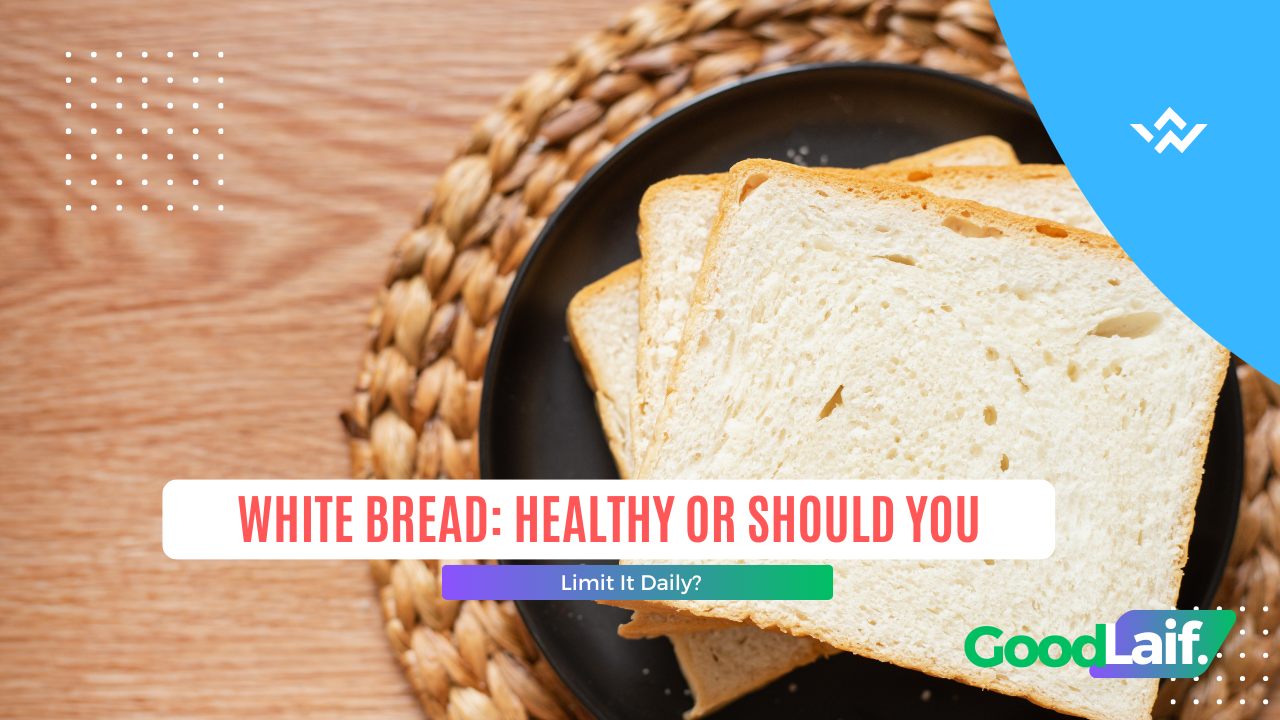
White bread is one of the most common and convenient breakfast options. It’s quick, affordable, and easy to pair with almost anything. But have you ever wondered whether it is actually healthy to eat every day? Some people avoid it because they believe it is high in carbohydrates and low in fiber. Others continue to enjoy it as a simple staple in their daily meals.
So, what is the truth about this popular bakery product?
What Is White Bread?
Bread is made from refined wheat flour that has gone through a milling process. During this process, the bran and germ — the parts of the grain that contain most of the fiber and nutrients — are removed. This results in a softer texture and lighter color compared to whole wheat varieties.
Because of its mild flavor and fluffy consistency, it is versatile. It can be used for toast, sandwiches, French toast, bread pudding, and many other dishes.
Nutritional Content
A slice of bread typically contains carbohydrates as its main source of energy, along with small amounts of protein and low fat content. Some commercially produced options are fortified with added nutrients such as iron and B vitamins.
However, compared to whole wheat bread, white bread contains less fiber. This lower fiber content is one reason why people may feel hungry sooner after eating it.
Is White Bread Unhealthy?
It is not entirely accurate to label white bread as unhealthy. The key factor is portion control and how it is consumed. When eaten in moderation and combined with other nutrient-rich foods, it can still be part of a balanced diet.
For example, adding protein sources like eggs, peanut butter, or lean chicken, along with vegetables or healthy fats such as avocado, can help slow down sugar absorption and keep you full longer.
Problems usually arise when bread is eaten in excessive amounts or paired with high-sugar and high-fat toppings like sweet spreads or chocolate in large portions.
Benefits of White Bread
Despite frequent comparisons with whole wheat bread, white bread does offer certain advantages:
- It is easy to digest, especially for people with specific digestive issues.
- Its soft texture makes it suitable for children and older adults.
- It is practical and quick to prepare for busy daily routines.
In addition, bread provides quick energy due to its carbohydrate content, which can be helpful in certain situations.
Tips for Eating White Bread Wisely


To enjoy white bread while maintaining a healthy lifestyle, consider these smart steps:
- Limit portion sizes.
- Pair it with protein sources like eggs, nuts, or lean meat.
- Add fruits or vegetables to increase fiber intake.
- Check nutrition labels and choose products with lower sugar and sodium levels.
By following these tips, you can still include white bread in your diet without unnecessary worry.
Read Also : Foods for Iftar Choices to Keep Your Digestion Comfortable
Conclusion
White bread is not necessarily the enemy of a healthy diet. Although it contains less fiber than whole wheat bread, it can still fit into a balanced eating plan when consumed thoughtfully.
Ultimately, health is determined not just by one type of food, but by overall eating habits, portion control, and lifestyle choices. The real question is not whether bread is good or bad, but how wisely you choose to enjoy it.