


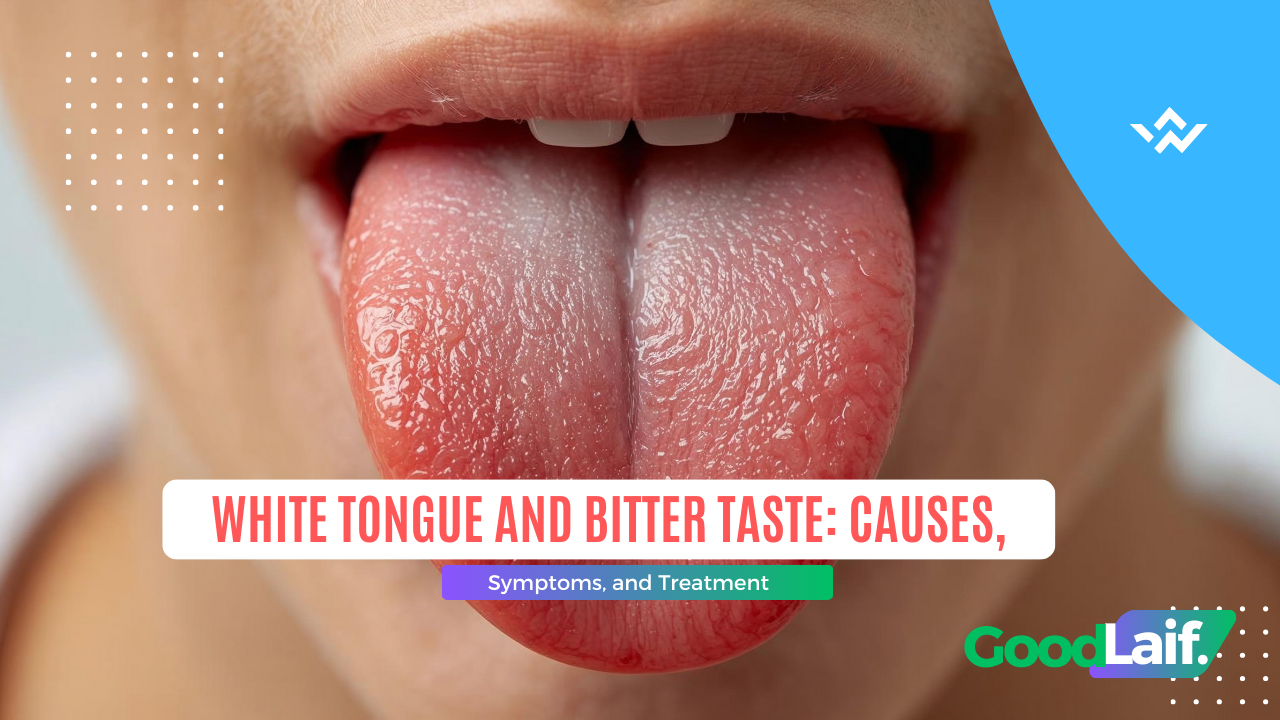
Have you ever woken up in the morning with a bitter taste in your mouth, only to discover a white coating on your tongue when you look in the mirror? White tongue and bitter taste can feel uncomfortable and even alarming. Is it simply a sign of poor oral hygiene, or could it indicate an underlying health issue?
A healthy tongue is typically pink with a thin, barely noticeable coating. When it turns white and is accompanied by a bitter sensation, it usually means there has been a change in your oral environment or overall health.
Common Causes of White Tongue and Bitter Taste

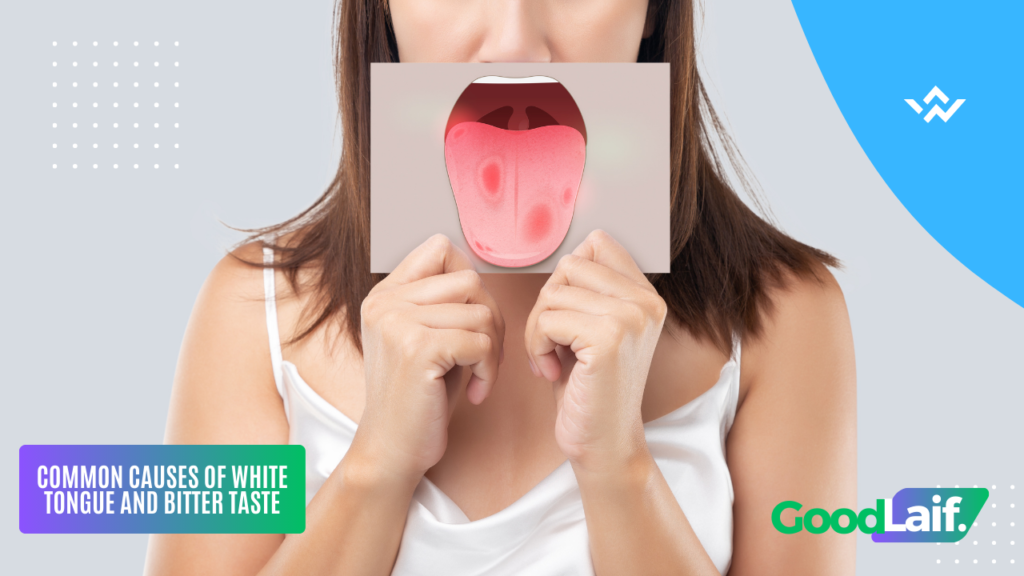
There are several possible reasons why white tongue and bitter taste occur, ranging from mild conditions to issues that may require medical attention.
1. Poor Oral Hygiene
One of the most common causes is the buildup of bacteria, food debris, and dead cells on the surface of the tongue. If the tongue is not cleaned properly, this accumulation can form a white coating and cause an unpleasant or bitter taste.
2. Dry Mouth
Saliva plays an important role in washing away bacteria. When saliva production decreases—due to dehydration, sleeping with your mouth open, or certain medications—bacteria can multiply more easily, leading to a white tongue and bitter sensation.
3. Acid Reflux
Gastroesophageal reflux disease (GERD) can also cause a bitter taste in the mouth, especially upon waking. Stomach acid that travels up into the esophagus may affect the taste buds and contribute to tongue coating changes.
4. Oral Thrush
A fungal infection known as oral thrush can produce a thick white layer on the tongue. This condition is more common in individuals with weakened immune systems, diabetes, or those using antibiotics for extended periods.
5. Dehydration and Diet
Not drinking enough water or frequently consuming spicy, fatty, or sugary foods can affect oral balance. These habits may contribute to both a white tongue and a persistent bitter taste.
Is It Dangerous?
In most cases, white tongue and bitter taste are not serious and can improve with simple lifestyle adjustments. However, if the condition lasts longer than two weeks, becomes painful, or is accompanied by sores, difficulty swallowing, or fever, it is important to consult a healthcare professional.
Your body often sends subtle warning signs when something is off balance. Paying attention to these changes can help prevent more serious problems.
How to Treat White Tongue and Bitter Taste
You can take several practical steps to improve the condition:
- Brush your teeth and gently clean your tongue at least twice a day.
- Use a tongue scraper to remove buildup effectively.
- Drink plenty of water to keep your mouth hydrated.
- Reduce consumption of overly spicy, fatty, or sugary foods.
- Limit coffee and avoid smoking, as both can worsen bitterness.
If acid reflux is the cause, try eating smaller meals, avoiding late-night eating, and not lying down immediately after meals.
When to See a Doctor
Seek medical advice if the white coating does not improve, becomes thicker, or is accompanied by pain or other unusual symptoms. A proper diagnosis can determine whether infection or another medical condition is present.
Read Also : Frequently Biting Your Tongue: A Minor Habit or a Health Warning?
Conclusion
White tongue can be uncomfortable, but they are often linked to manageable factors such as oral hygiene, dehydration, or mild digestive issues. Maintaining good oral care, staying hydrated, and adopting healthy eating habits can significantly reduce the problem.
If symptoms persist or worsen, do not ignore them. Early evaluation and treatment are key to maintaining both oral health and overall well-being.