


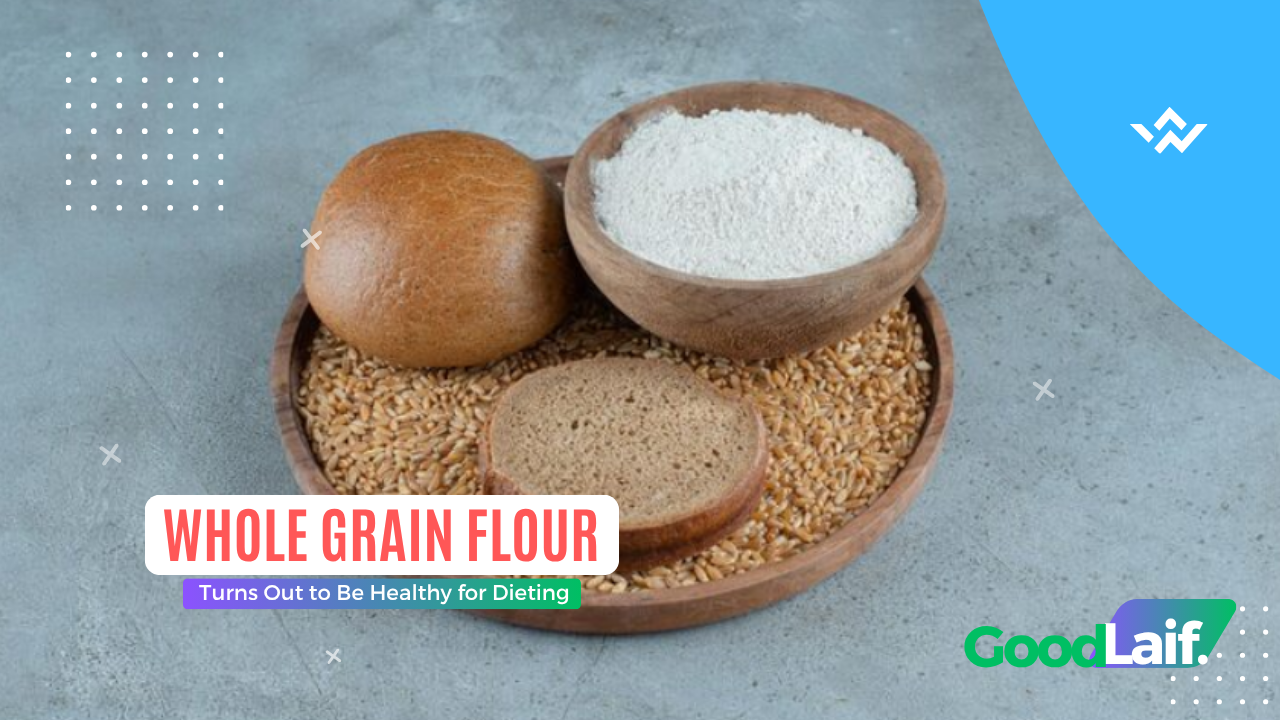
In recent years, more people have started paying attention to the types of ingredients they consume, especially when following a diet program. One ingredient that is often misunderstood is flour. Many assume that all types of flour should be avoided because they can lead to weight gain. In fact, not all flour has the same impact. Whole grain flour is actually known as a healthier option and can support a diet program.
What Is Whole Grain Flour?
Whole grain flour is made from entire grains without removing their essential parts, namely the bran, endosperm, and germ. Unlike refined white flour, which undergoes a processing stage that strips away nutrients, multigrain flour retains its natural nutritional content. This type of flour can come from various sources such as whole wheat, oats, corn, or brown rice. Because it is minimally processed, its fiber, vitamins, and mineral content remain intact.
Nutritional Content That Supports Dieting
One of the main reasons multigrain flour is beneficial for dieting is its high fiber content. Fiber plays an important role in supporting digestion and helping you feel full for longer. A longer-lasting feeling of fullness can reduce the urge to snack or overeat. In addition, multigrain flour contains:
- B-complex vitamins that help with energy metabolism
- Iron and magnesium that support body functions
- Antioxidants that help fight free radicals
This combination of nutrients allows the body to get what it needs without consuming excess calories.
Helps Control Blood Sugar and Weight
Whole grain flour has a lower glycemic index compared to refined white flour. This means foods made from it do not cause sharp spikes in blood sugar levels. Stable blood sugar is essential in a diet because it can:
- Reduce excessive hunger
- Prevent fat accumulation
- Maintain stable energy levels throughout the day
As a result, multigrain flour supports healthier and more sustainable weight loss.
Supports Digestive Health
The fiber in multigrain flour also plays a role in maintaining a healthy digestive system. Adequate fiber intake can help:
- Improve bowel movements
- Maintain a healthy balance of gut bacteria
- Reduce the risk of digestive issues
A healthy digestive system is crucial during a diet because it allows the body to absorb nutrients more effectively.
Can It Replace Regular Flour?
Multigrain flour can be used as an alternative to refined flour in various foods such as bread, pancakes, cakes, and more. However, because it has a denser texture and a slightly stronger taste, recipe adjustments may be needed. As a starting point, you can mix multigrain flour with regular flour, then gradually increase the proportion based on your preference.
Things to Consider
Although it is healthier, multigrain flour should still be consumed in reasonable amounts. A balanced diet remains the key to successful weight loss. It is also important to:
- Monitor total daily calorie intake
- Combine it with protein and healthy fats
- Stay physically active
Whole grain flour is not an instant solution, but part of an overall healthy eating pattern.
Conclusion
Multigrain flour is a healthier option compared to refined flour, especially for those following a diet program. Its high fiber content, lower glycemic index, and richer nutrients help control appetite, stabilize blood sugar, and support digestive health. When used properly as part of a balanced diet, whole grain flour can be one of the keys to achieving a healthy and sustainable ideal body weight.
READ ALSO ARTICLE: High-Fiber Diet: A Simple Secret to Better Health