


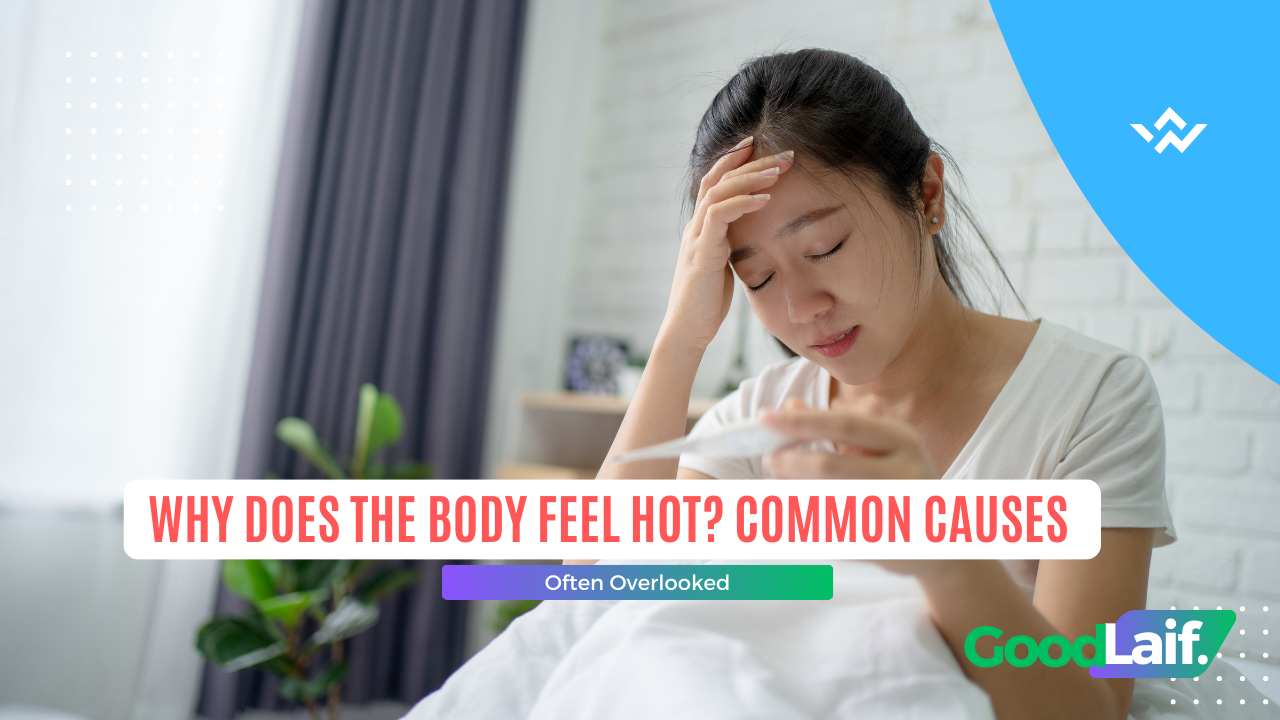
Have you ever suddenly felt your body warming up even though you’re not sick or doing heavy activities? This sensation can be confusing because it appears unexpectedly, even when you’re resting. Some people feel it throughthout the entire body, while others only in certain areas like the face, back, or chest. This raises a big question: why does the body feel hot even without a fever?
It turns out that a warm or hot sensation doesn’t always mean you have a fever. There are many other factors that can influence body temperature and trigger this heat sensation. To understand the possible causes, let’s go through the most common ones.
1. Increased Autonomic Nervous System Activity


Even without a fever, your body can feel hot when the autonomic nervous system becomes more active than usual. This often occurs when you are stressed, anxious, or sleep-deprived. When emotional conditions are unstable, the body releases stress hormones like adrenaline and cortisol. These hormones increase heart rate, metabolism, and body temperature.
In fact, feeling hot can be a sign of a mild panic attack. This is the body’s way of preparing to face a “threat,” even though the threat isn’t real.
2. Hormonal Imbalance
One of the most common causes of a hot body is hormonal fluctuation. Hormonal imbalance can affect the body’s temperature regulation, making heat appear more easily, especially in:
- Hyperthyroidism, where the thyroid works too actively, increasing metabolism and body temperature.
- Menopause, which triggers hot flashes or sudden warmth in women.
- Menstrual cycle, where changes in estrogen and progesterone influence body temperature.
- Pregnancy, which increases blood circulation and metabolism, making the body feel warmer.
If the heat sensation appears along with excessive sweating, heart palpitations, or menstrual cycle changes, hormones are a likely cause.
3. Dehydration
The body needs enough fluid to maintain its cooling system. When you don’t drink enough water, your body struggles to regulate heat, causing warmth to be trapped. As a result, you feel hot even when the weather isn’t warm.
Common dehydration symptoms include dizziness, fatigue, dry lips, hot skin, and dark-colored urine.
4. Mild Infection That Has Not Triggered a Fever
In the early stages of an infection, the body may experience a slight rise in temperature that doesn’t yet qualify as a fever. The immune system is working to fight viruses or bacteria, causing a small increase in heat.
This sensation is usually accompanied by symptoms like a sore throat, body aches, or a heavy head.
5. Effects of Food and Medication
Certain foods can trigger thermogenesis or heat production in the body. These include:
- spicy foods,
- high-sugar foods,
- caffeinated drinks like coffee and tea.
Some medications such as antibiotics, thyroid medications, or antidepressants may also cause heat sensations as a side effect.
6. Environmental Factors and Daily Habits
Sometimes the cause is something simple—your environment or habits. For example:
- sleeping with a blanket that’s too thick,
- wearing clothes that don’t absorb sweat,
- staying in a room with poor ventilation,
- lack of exercise, which affects temperature regulation.
Unhealthy habits like smoking and alcohol consumption can also make body temperature rise more easily.
When Should You Be Concerned?
Pay attention to these warning signs:
- the heat sensation lasts long and doesn’t improve,
- heart palpitations appear without reason,
- excessive night sweats occur,
- sudden weight loss,
- heat accompanied by shortness of breath, rashes, or severe pain.
If these symptoms appear, a medical check-up is recommended.
How to Relieve the Hot Body Sensation
Some steps that may help reduce the discomfort include:
- Drink more water.
- Get enough sleep and improve rest quality.
- Reduce spicy, fatty, and caffeinated foods.
- Manage stress with relaxation techniques.
- Wear comfortable, breathable clothing.
- Improve room ventilation.
Read Also : Pears for Cough: Are They Really Effective in Relieving it?
Conclusion
A hot body sensation can be caused by stress, hormonal changes, dehydration, mild infections, certain foods, or daily environmental factors. These factors are often discussed when answering the question Why Does the Body Feel Hot. Although usually harmless, persistent warmth or heat accompanied by other troubling symptoms should not be ignored. If the condition continues, consult a healthcare professional to find the exact cause and receive proper treatment.