
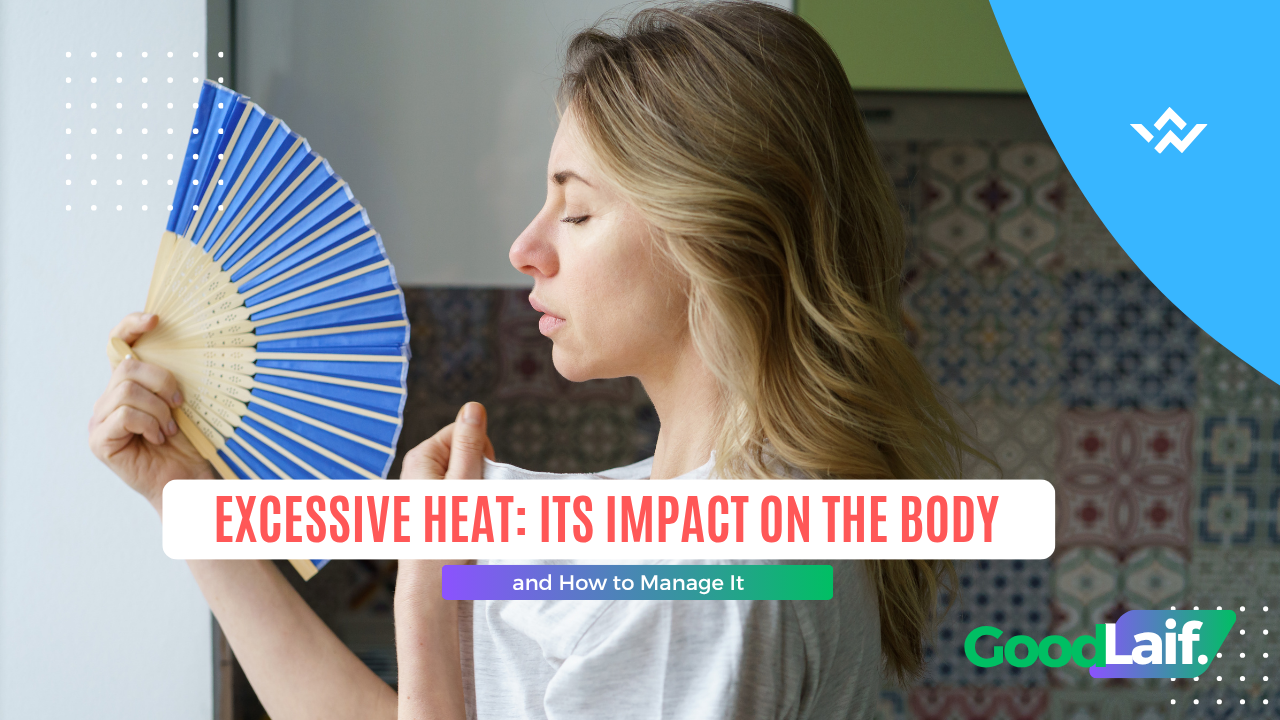
Have you ever felt extremely thirsty, weak, or dizzy during very hot weather? This condition can happen due to excessive heat, especially during the dry season or when temperatures rise significantly. If the body is exposed to heat for too long without proper protection, the risk of dehydration and heat-related illnesses can increase.
The body naturally has ways to maintain a normal temperature by releasing heat through sweat evaporation, heat radiation, and air convection. However, when the surrounding temperature is too high or the body loses too much fluid, this process becomes less effective. As a result, the body becomes more vulnerable to hyperthermia.
What Is Excessive Heat?
Excessive heat is a condition when the body receives more heat from the environment than it can remove. This situation often occurs during extremely hot weather, staying in poorly ventilated areas, or doing intense physical activities outdoors.
According to the Ministry of Health of the Republic of Indonesia (Kemenkes RI) and the World Health Organization (WHO), prolonged exposure to high temperatures can increase the risk of heat exhaustion and heatstroke.
Disclaimer: This article is for educational purposes only and does not replace medical consultation, diagnosis, or treatment from healthcare professionals. Seek medical advice if symptoms become severe or do not improve.
What Causes Excessive Heat?
Several factors can increase the risk of experiencing problems caused by excessive heat, including:
- Staying under direct sunlight for too long.
- Exercising or working during hot weather.
- Not drinking enough water, leading to dehydration.
- Wearing thick clothing that does not absorb sweat well.
- Spending time in poorly ventilated areas.
In addition, infants, older adults, and people with chronic health conditions are more vulnerable because their bodies may not regulate temperature as effectively as healthy adults.
What Are the Symptoms of Excessive Heat?
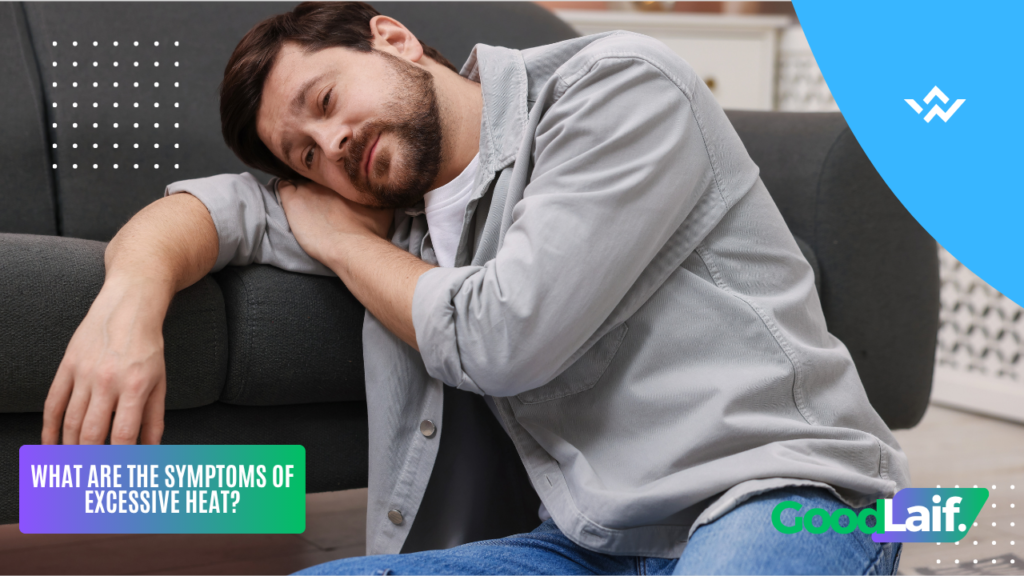
Symptoms usually appear gradually. You may experience:
Mild symptoms:
- Excessive thirst.
- Heavy sweating.
- Dizziness or headache.
- Weakness.
- Muscle cramps.
However, if it is not treated quickly, this condition can develop into heat exhaustion, which is a form of heat-related fatigue. People with heat exhaustion usually continue sweating but may feel extremely tired, nauseous, dizzy, and have difficulty concentrating.
If the condition becomes worse, heat exhaustion can progress to heatstroke. Unlike heat exhaustion, heatstroke is often marked by very hot, dry skin because the body can no longer cool itself through sweating. It may also cause confusion, fainting, or seizures and requires immediate medical attention.
How Can Excessive Heat Be Managed?
If symptoms are still mild, you can take the following steps:
- Move to a shaded or air-conditioned area.
- Drink water slowly but frequently.
- Loosen tight or heavy clothing.
- Apply a wet towel or cool compress to areas such as the neck, armpits, and groin.
- Rest until your condition improves.
Additionally, avoid excessive alcohol or caffeine consumption because they can increase fluid loss. If symptoms do not improve within around 30 minutes or become worse, seek medical help immediately.
How Can Excessive Heat Be Prevented?
To reduce the risk of heat-related problems, you can take these simple steps:
- Drink enough water regularly, even before feeling thirsty.
- Wear lightweight, loose, and breathable clothing.
- Avoid intense activities during the hottest hours of the day.
- Use a hat, umbrella, or sunscreen when spending time outdoors.
- Take regular breaks if you work in hot environments.
When Should You See a Doctor?
Seek medical help immediately if you or someone around you experiences:
- Very hot skin with no sweating.
- Difficulty breathing.
- Confusion or difficulty responding.
- Fainting or loss of consciousness.
- Seizures.
Do not wait for symptoms to improve on their own because these signs may indicate heatstroke, which can become life-threatening. Go to the nearest emergency department or contact local emergency services.
Read Also : Cold Water Therapy Is Surprisingly Important for Your Body
Conclusion
Excessive heat caused by extremely hot weather can make the body uncomfortable and may lead to dehydration, heat exhaustion, or heatstroke. Recognizing the symptoms early and cooling the body quickly can help prevent more serious complications.
If you often spend time outdoors, make sure to drink enough water, wear comfortable clothing, and avoid prolonged sun exposure. By taking these simple steps, you can reduce the risk of heat-related problems and help your body stay healthy even during hot weather.







+ There are no comments
Add yours