
Have your eyes ever felt sore, heavy, or tired after spending hours in front of a computer or scrolling through your phone? At first, it may seem like a minor problem. However, if the discomfort keeps coming back, it can affect your work, study, and daily activities. If this sounds familiar, you may be experiencing eye strain.
Eye strain, often called tired eyes, is one of the most common eye complaints today. With more people working, studying, and entertaining themselves on digital devices, this condition has become increasingly common. The good news is that eye strain is usually temporary and can often be relieved with a few simple lifestyle changes.
What Is Eye Strain?
Eye strain is a condition that happens when your eyes work too hard for an extended period. It often develops after staring at a computer, laptop, tablet, smartphone, or even reading for a long time without taking breaks.
When you’re deeply focused on a task, you naturally blink less often. This causes the surface of your eyes to become dry, leading to discomfort, soreness, blurred vision, or a burning sensation.
Just like the rest of your body, your eyes also need time to rest. Giving them regular breaks can help prevent discomfort from getting worse.
What Causes Eye Strain?
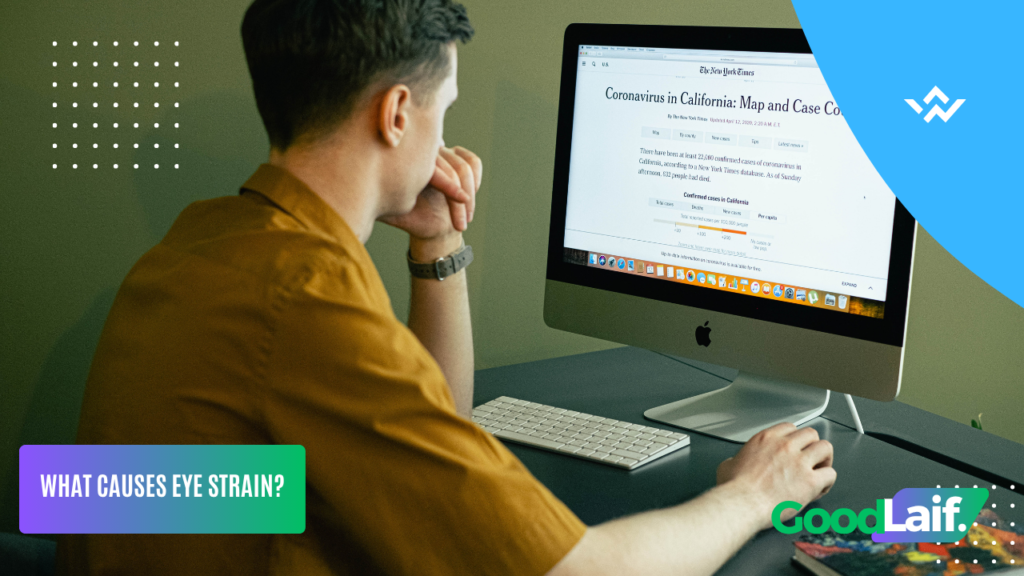
Several everyday habits can lead to eye strain.
1. Spending Too Much Time Looking at Screens
This is the most common cause of eye strain. Working, studying, gaming, or scrolling through social media for hours forces your eye muscles to stay focused continuously.
Taking short breaks throughout the day allows your eyes to relax.
2. Poor Lighting
Lighting that is too bright or too dim can make your eyes work harder. Screen glare can also increase eye fatigue and make focusing more difficult.
Using comfortable lighting while working can reduce unnecessary strain.
3. Uncorrected Vision Problems
Nearsightedness, farsightedness, or astigmatism that hasn’t been corrected with the proper prescription can force your eyes to work harder than necessary.
If you often experience blurry vision or headaches, consider scheduling an eye examination.
4. Not Blinking Often Enough
Many people blink less frequently while concentrating on work or using digital devices.
Although it sounds simple, blinking keeps your eyes lubricated. Without enough blinking, your eyes may become dry and irritated.
5. Focusing on One Task for Too Long
Reading, driving long distances, or performing detailed work for extended periods can also contribute to eye strain.
Looking away from your work every so often gives your eye muscles a chance to relax.
Common Symptoms of Eye Fatigue
Eye strain may cause several symptoms, including:
- Heavy or tired eyes
- Dry or watery eyes
- Burning or itchy eyes
- Blurred vision
- Difficulty focusing
- Headaches after screen use
- Neck and shoulder tension
If these symptoms continue even after resting your eyes, it’s best to consult an eye care professional.
How to Relieve Eye Strain
The good news is that eye strain usually improves with a few simple habits. You can start by:
- Following the 20-20-20 rule.
- Taking regular breaks from digital screens.
- Positioning your monitor at eye level.
- Using comfortable room lighting.
- Blinking more frequently.
- Using lubricating eye drops if recommended by your healthcare provider.
Making these habits part of your daily routine can help reduce eye fatigue and improve overall eye comfort.
How to Prevent Eye Strain
Preventing eye strain is easier than many people think. Get enough sleep, keep a proper distance from your screen, and eat foods rich in vitamin A , lutein, and omega-3 fatty acids to support healthy vision.
If your job requires long hours in front of a computer, consider using a blue light filter or enabling your device’s eye comfort mode. Regular eye examinations are also important for detecting vision problems early.
Read Also : What Causes Dry Eyes? Common Causes and Relief Tips
Conclusion
Eye strain is commonly caused by prolonged screen time, reduced blinking, poor lighting, or focusing on one task for too long. Although it is usually temporary, it can affect your comfort and productivity. By adopting healthier screen habits and giving your eyes regular breaks, you can reduce the risk of eye fatigue and maintain healthy, comfortable vision every day.








+ There are no comments
Add yours