
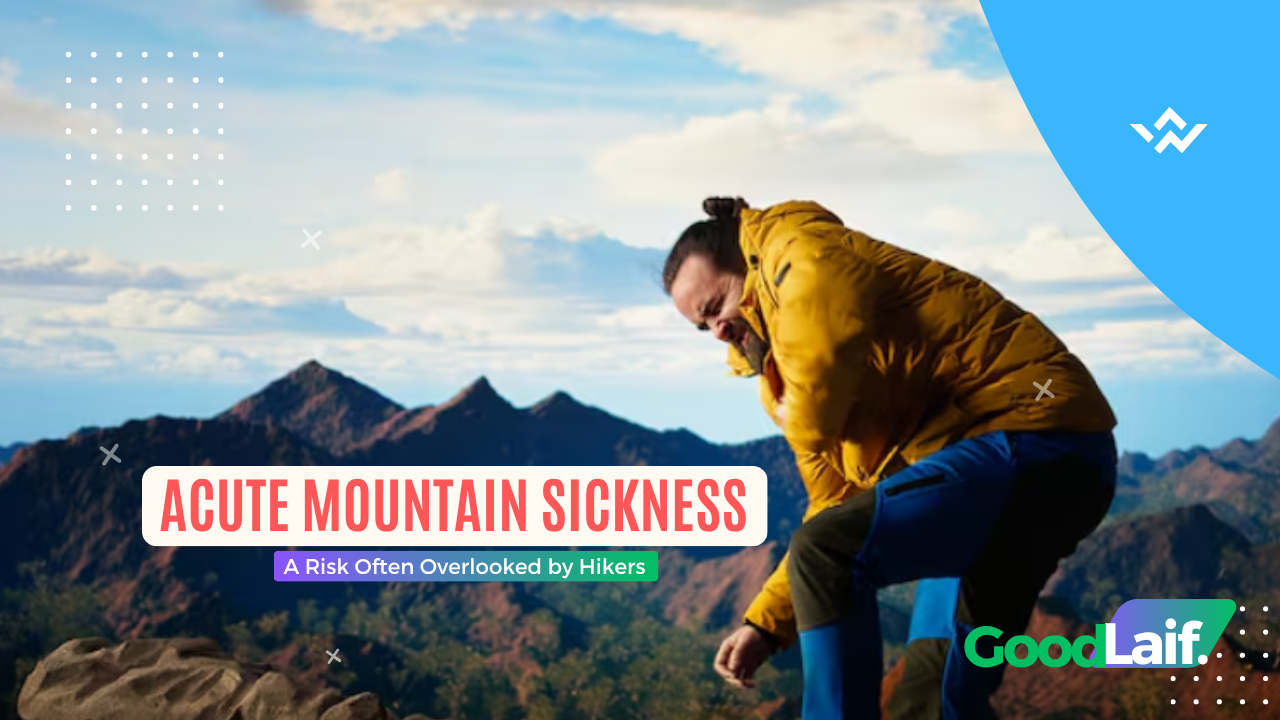
Mountain hiking offers breathtaking views, unforgettable experiences, and a rewarding sense of achievement. However, reaching higher elevations also comes with health risks that many hikers underestimate. One of the most common yet overlooked conditions is acute mountain sickness. While symptoms such as headaches or fatigue are often dismissed as normal after a long trek, they may actually indicate that the body is struggling to adapt to high altitude. Understanding the causes, symptoms, and prevention methods is essential for a safe and enjoyable hiking experience.
What Is Acute Mountain Sickness?
Acute mountain sickness is a condition that occurs when the body cannot adjust quickly enough to the lower oxygen levels found at high altitudes. It commonly affects people who ascend to elevations above 2,500 meters (8,200 feet) without allowing enough time for proper acclimatization.
At higher elevations, air pressure decreases, reducing the amount of oxygen available with each breath. As a result, the body needs time to adapt. If the ascent is too rapid, symptoms may begin to develop within a few hours.
Why Do Many Hikers Ignore It?
Many hikers assume that headaches, dizziness, or exhaustion are simply part of the climbing experience. This misconception often leads people to continue ascending despite their condition.
Several factors contribute to this behavior:
- Focusing too much on reaching the summit.
- Believing the symptoms will disappear after a short rest.
- Lack of knowledge about altitude-related illnesses.
- Trying to keep up with the pace of the group despite feeling unwell.
Ignoring early warning signs can increase the likelihood of more serious health complications.
Common Symptoms to Watch For
Symptoms usually appear within 6 to 24 hours after reaching a higher altitude. Their severity varies depending on the individual and the rate of ascent. Common symptoms include:
- Persistent headache.
- Nausea or vomiting.
- Loss of appetite.
- Fatigue and weakness.
- Dizziness.
- Difficulty sleeping.
- Shortness of breath during physical activity.
If these symptoms worsen, hikers should stop ascending immediately and consider descending to a lower altitude.
Risk Factors
Not everyone has the same risk of developing acute mountain sickness. Several factors can increase the likelihood of experiencing this condition, including:
- Rapid ascent without adequate acclimatization.
- Previous history of altitude sickness.
- Strenuous physical activity shortly after arriving at high altitude.
- Dehydration.
- Poor sleep before or during the trip.
Even experienced hikers are not immune, especially if they climb too quickly or ignore their body’s warning signs.
How to Prevent Altitude Sickness
Prevention is the most effective way to reduce the risk of altitude-related illness. Consider the following recommendations:
- Ascend gradually to allow your body time to acclimatize.
- Stay well hydrated throughout the hike.
- Avoid excessive alcohol consumption before and during the trip.
- Get enough rest before beginning your ascent.
- Listen to your body and avoid pushing beyond your limits.
- Delay your summit attempt if symptoms begin to appear.
It is also important to monitor your hiking companions, as they may notice changes in your condition before you do.
When Should You Descend?
Descending should never be delayed if symptoms continue to worsen. Hikers should immediately stop ascending and move to a lower elevation if they experience:
- Severe or persistent headache.
- Difficulty walking or maintaining balance.
- Shortness of breath while resting.
- Confusion or reduced consciousness.
- Repeated vomiting.
Descending to a lower altitude is the most effective treatment and can help prevent life-threatening complications.
Conclusion
Acute mountain sickness is more than just feeling tired after a long hike. It is a medical condition that should never be underestimated. Recognizing the early symptoms, allowing adequate time for acclimatization, staying hydrated, and avoiding unnecessary risks are essential steps for every hiker. By preparing properly and paying close attention to your body’s signals, you can enjoy a safer mountain adventure while significantly reducing the risk of acute mountain sickness.
READ ALSO ARTICLE: Mountain Hiking Must Use Mountain Shoes













+ There are no comments
Add yours