
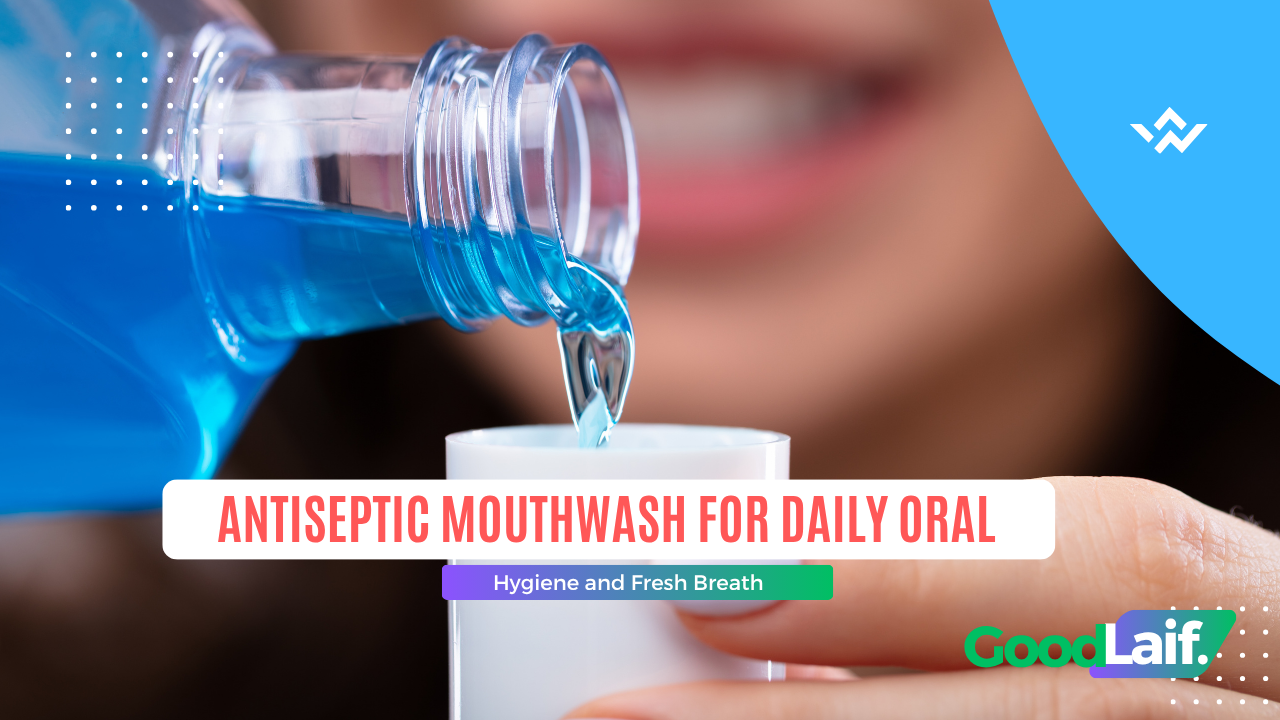
Brushing your teeth twice a day but still dealing with bad breath? Many people wonder whether antiseptic mouthwash is really necessary. While it should not replace brushing or flossing, antiseptic mouthwash can be a useful addition to your daily oral care routine by helping reduce bacteria and keeping your mouth feeling fresh.
To get the most benefit, mouthwash should be used correctly and according to the product instructions. Using more than recommended does not necessarily improve the results.
This article is for educational purposes only and should not replace medical advice, diagnosis, or treatment from a dentist or other qualified healthcare professional. For more information, consult your dentist or refer to guidance from trusted public health organizations.
What Is Antiseptic Mouthwash?
Antiseptic mouthwash is a liquid oral rinse that contains antiseptic ingredients designed to help reduce bacteria in the mouth. Some products are also formulated to support gum health, reduce plaque buildup, or provide longer-lasting fresh breath.
Choosing the right mouthwash depends on your oral health needs and should follow the instructions provided on the product label.
Benefits of Antiseptic Mouthwash
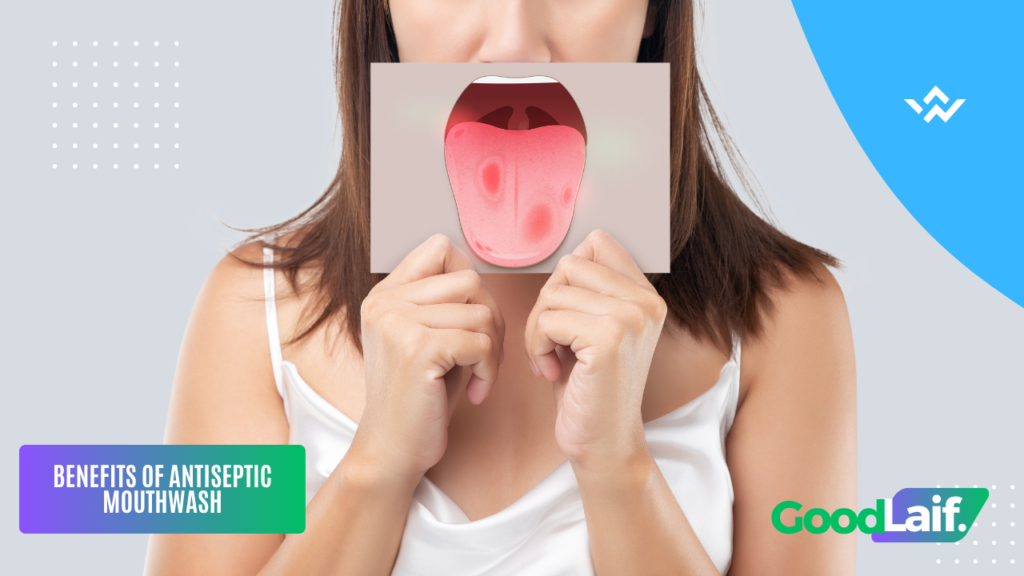
When used as directed, antiseptic mouthwash can complement your daily oral hygiene routine.
1. Helps Reduce Oral Bacteria
Antiseptic ingredients help reduce the growth of bacteria that contribute to bad breath and gum problems. Because it is a liquid, mouthwash can reach areas that are difficult to clean with a toothbrush alone.
2. Supports Healthy Gums
Maintaining a clean mouth can be part of an overall approach to supporting healthy gums, especially when combined with regular brushing and flossing.
3. Keeps Breath Fresher
Reducing odor-causing bacteria often leaves your breath feeling fresher, which can help improve confidence throughout the day.
4. Reaches Hard-to-Clean Areas
Unlike a toothbrush, mouthwash can flow around different parts of the mouth. However, it should always be used as a supplement—not a replacement—for brushing and flossing.
How to Use Antiseptic Mouthwash
For the best results, always follow the instructions on the product label. In general, the recommended steps include:
1. Brush Your Teeth First
Removing food particles and plaque before using mouthwash helps improve overall oral hygiene.
2. Measure the Recommended Amount
Pour the recommended amount into the cap or measuring cup provided, then rinse for about 30 to 60 seconds.
3. Do Not Swallow
Antiseptic mouthwash is intended only for rinsing and should never be swallowed.
4. Avoid Eating or Drinking Immediately
Some products recommend waiting for a short period before eating or drinking so the active ingredients can continue working effectively.
Who Should Use Antiseptic Mouthwash?
Antiseptic mouthwash is commonly used by people who want to improve their daily oral hygiene routine. Dentists may also recommend it after certain dental procedures or for people with specific gum conditions.
Long-term use of certain antiseptic mouthwashes should follow a dentist’s recommendation, particularly for products containing stronger active ingredients.
Things to Keep in Mind
Before using antiseptic mouthwash, remember to:
- Choose a product suitable for your age and oral health needs.
- Read and follow the instructions on the label.
- Avoid using it more frequently than recommended.
- Stop using it if irritation or unusual reactions occur.
- Keep the product out of the reach of children.
When Should You See a Dentist?
Consult a dentist if you experience:
- Bad breath that does not improve despite maintaining good oral hygiene.
- Bleeding, swollen, or painful gums.
- Mouth sores that do not heal.
- Oral symptoms lasting longer than two weeks.
- An allergic reaction after using mouthwash.
A dental examination can help identify the cause of your symptoms and determine the most appropriate treatment.
Read Also : Benefits of Salt Water Gargle for Daily Oral Health
Conclusion
Antiseptic mouthwash can be a valuable addition to your daily oral hygiene routine by helping reduce bacteria, supporting healthy gums, and keeping your breath fresh. However, it should never replace brushing and flossing.
Take a moment to check the instructions on your mouthwash and make sure you are using it correctly. If you are unsure which product is right for you or your oral health concerns persist, consult your dentist for personalized advice.




+ There are no comments
Add yours