
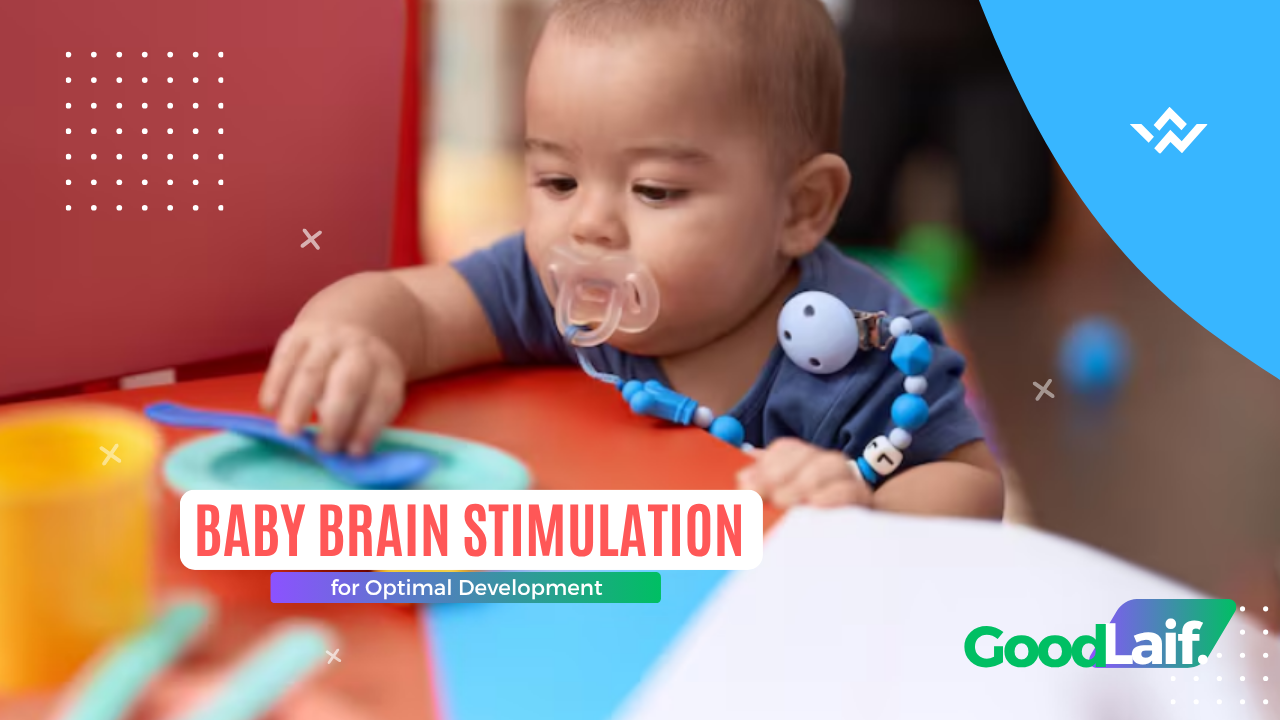
A baby’s brain develops rapidly from birth until the age of two. During this period, the brain forms millions of neural connections every second. Proper brain stimulation plays a crucial role in strengthening these connections, supporting cognitive, emotional, social, and motor development in the future. Therefore, parents need to understand how to provide stimulation appropriate to each stage of their baby’s growth.
The Importance of Early Stimulation
A baby’s brain is highly plastic, meaning it is easily shaped by experiences. Every interaction, sound, touch, and activity shared with a baby influences brain development. Lack of stimulation can lead to developmental delays, while proper stimulation helps babies reach their full potential. Brain stimulation does not have to be complicated or expensive. Simple, consistent, and attentive interactions are more than enough to support healthy development.
Types of Stimulation for Baby Brain Development
1. Sensory Stimulation
Sensory stimulation involves a baby’s five senses: sight, hearing, touch, smell, and taste. Parents can provide this through:
- Showing babies brightly colored objects
- Playing soft sounds or music
- Providing toys with different textures
- Letting babies safely touch various objects
This type of stimulation helps the brain recognize and process information from the surrounding environment.
2. Motor Stimulation
Motor stimulation focuses on movement skills, both gross and fine motor abilities. Examples include:
- Encouraging tummy time
- Giving toys that can be grasped
- Motivating babies to reach, roll, or crawl
These activities help strengthen muscles and improve coordination.
3. Language Stimulation
Language development begins at birth. Even before they can speak, babies can recognize sounds and language patterns. Stimulation can be done by:
- Talking to the baby regularly
- Reading storybooks
- Singing simple songs
These interactions help build early communication skills.
4. Social and Emotional Stimulation
Emotional bonding between parents and babies strongly influences brain development. This can be done through:
- Maintaining eye contact
- Smiling and responding to the baby’s expressions
- Hugging and comforting the baby when crying
A strong emotional connection provides a sense of security that is essential for brain development.
Stimulation Based on Baby’s Age
0-3 Months
- Focus on eye contact and sound
- Talk and smile frequently
- Provide gentle touch
3-6 Months
- Introduce colorful and sound-producing toys
- Encourage grasping and reaching
- Engage in simple play and laughter
6-12 Months
- Encourage crawling and sitting
- Introduce different food and object textures
- Play interactive games like peek-a-boo
Common Mistakes to Avoid
When providing stimulation, parents should be aware of the following:
- Overstimulating the baby, causing fatigue
- Relying too much on gadgets instead of direct interaction
- Ignoring the baby’s need for rest
- Comparing the baby’s development with others
Each baby develops at their own pace, so stimulation should be tailored to individual needs.
The Role of Parents in Stimulation
Parents play the most important role in a baby’s brain development. Presence, attention, and consistency are far more valuable than expensive tools or toys. Simple activities such as talking, playing, and showing affection are enough to stimulate optimal brain growth.
Conclusion
Proper brain stimulation is essential from an early age. Through sensory, motor, language, and social-emotional stimulation, parents can build a strong foundation for their child’s growth and development. With consistent, loving, and age-appropriate approaches, babies can grow into healthy, intelligent, and well-developed individuals.
READ ALSO ARTICLE: Babyproofing Shouldn’t Be Overlooked: Protect Your Baby at Home Now












+ There are no comments
Add yours