


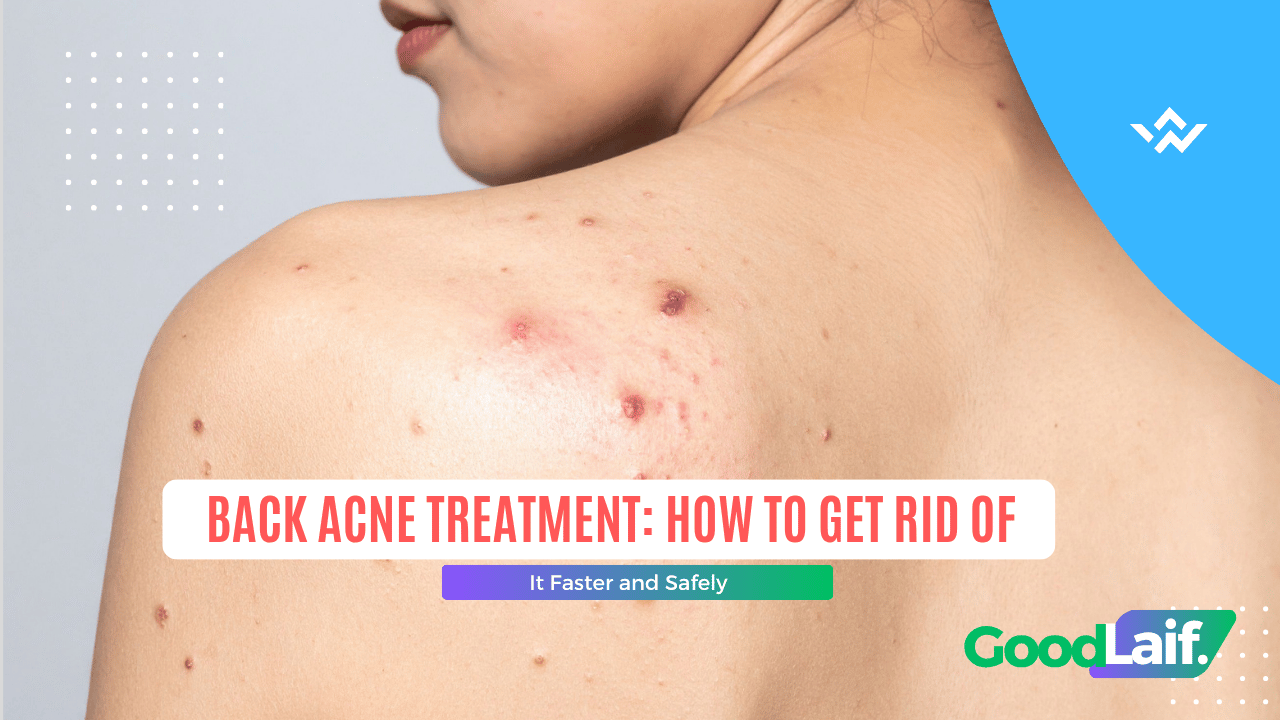
Feeling itchy, sore, or embarrassed to wear backless clothes because of acne? You’re definitely not alone. That’s why back acne treatment is something many people look for. Back acne often appears in clusters, making it uncomfortable, especially when it rubs against your clothes.
The good news is that back acne is very common. Just like facial acne, it’s usually caused by clogged pores, excess oil, dead skin cells, and bacteria. The difference is that the skin on your back has more oil glands, which is why the pimples tend to be larger and more stubborn.
Imagine your pores being covered with sweat and oil all day long. Eventually, they’ll become clogged. Before buying skincare products at random, let’s take a look at some back acne treatment options that may help.
1. Start with a Salicylic Acid Body Wash
If your back acne is still mild, try using a body wash that contains salicylic acid.
This ingredient helps remove dead skin cells while clearing clogged pores. You can easily find it in acne body washes or medicated cleansing bars.
Don’t expect overnight results. If you use it consistently, you’ll usually notice improvement within a few weeks.
2. Try Products with Benzoyl Peroxide
Benzoyl peroxide is one of the most commonly recommended back acne treatment ingredients.
It helps kill acne-causing bacteria while reducing inflammation.
If you’re using it for the first time, choose a lower concentration to reduce the risk of irritation. Also, be careful because benzoyl peroxide can bleach towels and clothing.
Have you ever tried it before?
3. Do You Need a Retinoid Cream?
If your acne keeps coming back or starts leaving scars, a doctor may recommend a retinoid cream.
Retinoids help speed up skin cell turnover and prevent clogged pores.
During the first few weeks, your skin may feel dry or peel slightly. That’s completely normal. It’s also best to use retinoids at night because they can make your skin more sensitive to sunlight. Since they’re quite potent, always follow your doctor’s advice or the instructions on the product.
4. When Do You Need Oral Medication?
If your back acne becomes severe, painful, or heavily inflamed, topical products alone may not be enough.
In cases like these, a doctor may prescribe oral medication based on the cause of your acne.
Avoid buying oral acne medication without proper medical advice.
Make Your Back Acne Treatment Work Better
Using acne treatment alone isn’t enough. A few simple habits can help speed up the healing process.
- Shower after exercising or sweating a lot.
- Change out of sweaty clothes as soon as possible.
- Wear loose-fitting clothing so your skin can breathe.
- Don’t squeeze your pimples because they can become infected and leave scars.
- Wash your bed sheets and towels regularly to reduce bacteria buildup.
- Use your own towel instead of sharing it with others.
These habits may seem simple, but they’re often overlooked.
When Should You See a Doctor?

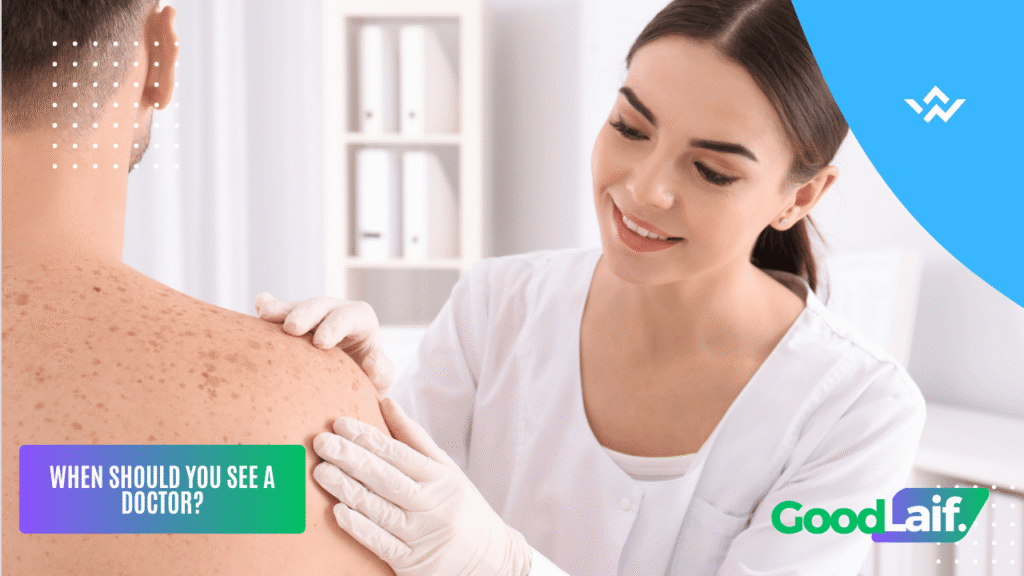
If your back acne doesn’t improve, don’t wait too long. See a dermatologist if you notice any of these signs:
- Your acne keeps getting worse despite regular treatment.
- Large, painful lumps appear.
- Pimples keep producing pus.
- Acne scars begin forming.
- Your acne affects your daily activities or confidence.
Read Also : Causes of Back Acne: Common Triggers and How to Treat It
The Bottom Line
Back acne treatment can help reduce breakouts, but your daily habits also play a big role. Don’t switch products after just a few days. Your skin needs time to respond, so consistency is the key.
If your back acne keeps getting worse or refuses to improve, don’t hesitate to visit a dermatologist. Treating it early is much easier than dealing with permanent scars later.
Comment “START” if you’re ready to begin treating your back acne today. 👇
Hope your skin clears up soon so you can feel confident wearing your favorite clothes again.
Please remember that this article is for educational purposes only. If your back acne is severe, painful, or keeps coming back, consult a dermatologist for proper diagnosis and treatment.