


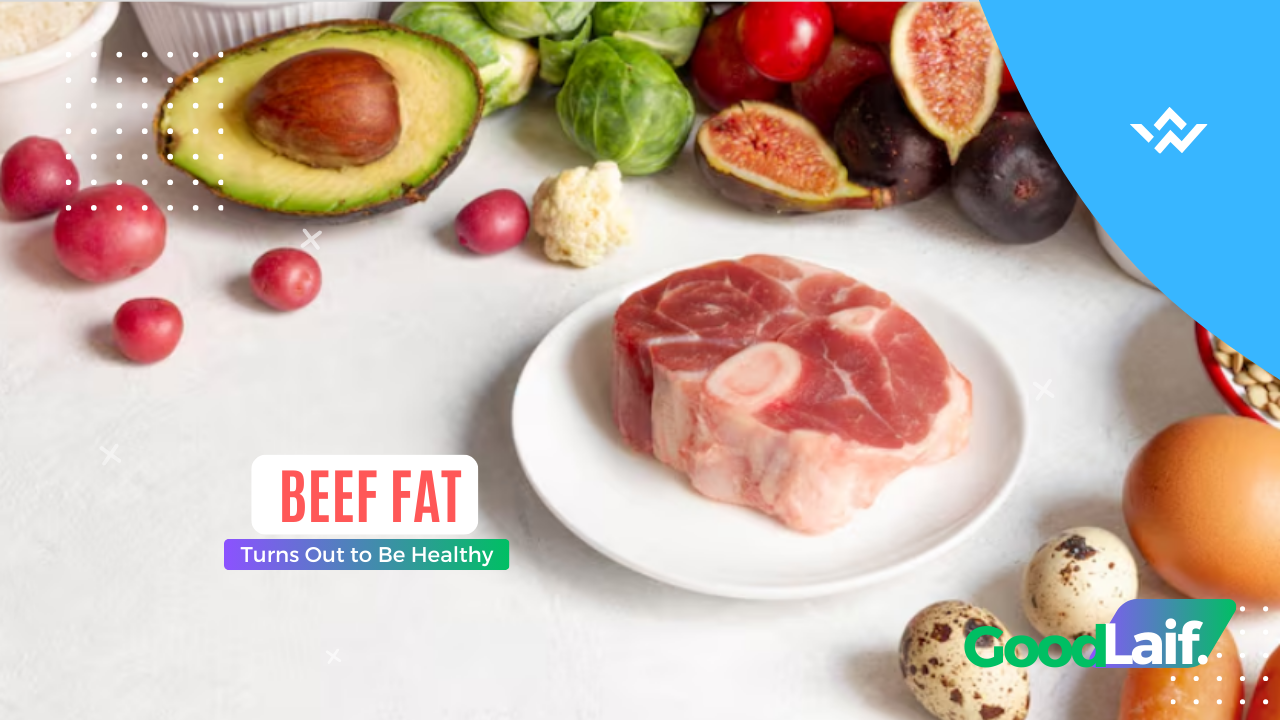
For many years, beef fat has often been viewed as a component of food that should be avoided due to its association with increased cholesterol levels and the risk of heart disease. However, this perspective has begun to shift as nutrition research continues to evolve. When consumed in moderation and prepared properly, beef fat can actually be part of a balanced diet. This article discusses how beef fat can provide benefits to the body, as well as the proper cooking techniques to help preserve its nutritional value.
Fat Content in Beef
The fat found in beef consists of several types, including:
- Saturated fat
- Monounsaturated fat
- Polyunsaturated fat
Interestingly, about half of the fat content in beef is made up of monounsaturated fat, the same type of fat commonly found in olive oil. Monounsaturated fats are known to help maintain healthy levels of good cholesterol (HDL) and reduce bad cholesterol (LDL) when consumed in appropriate amounts.
In addition, beef fat contains:
- Vitamin A
- Vitamin D
- Vitamin E
- Vitamin K
- Conjugated Linoleic Acid (CLA)
CLA is a compound that has been associated with various health benefits, such as supporting fat metabolism and maintaining heart health.
Health Benefits of Beef Fat

When consumed in moderation, beef fat can offer several benefits:
1. Source of Energy
Fat is a dense source of energy that helps the body perform daily functions optimally.
2. Supports Vitamin Absorption
Fat-soluble vitamins such as vitamins A, D, E, and K require dietary fat for proper absorption in the body.
3. Aids Hormone Production
Fat plays a role in the production of essential hormones, including those related to metabolism.
Proper Ways to Cook Beef Fat
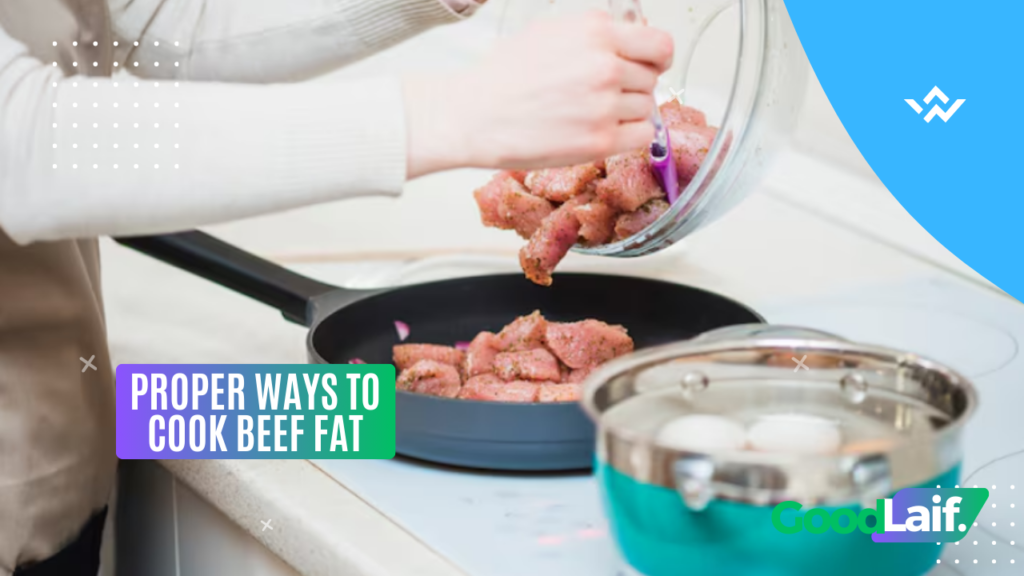
Although beef fat has its benefits, improper cooking methods can make it less healthy. Here are some recommended cooking techniques:
1. Use Grilling or Roasting Methods
Grilling or roasting allows excess fat to melt and drip away from the meat, helping reduce the overall saturated fat content in the final dish.
2. Choose Slow Cooking Techniques
Cooking at low temperatures over a longer period can help preserve the structure of beneficial fats without damaging their nutritional content.
3. Avoid Extremely High Temperatures
Cooking methods that involve very high heat, such as deep frying, can cause fat oxidation and potentially produce harmful compounds.
4. Use Beef Fat as a Substitute for Processed Cooking Oils
Rendered beef fat, also known as tallow, has a high smoke point, making it more stable for cooking compared to some processed vegetable oils.
5. Combine with Fiber-Rich Foods
Consuming beef along with vegetables can help balance fat intake and support digestion.
Tips for Choosing Healthier Beef
To maximize the benefits of beef fat, consider the following:
- Choose cuts that are not excessively fatty
- Pay attention to the color of the fat; slightly yellowish fat usually comes from naturally fed cattle
- Avoid processed meat products with added chemicals
Conclusion
Beef fat is not always the enemy of good health. When consumed in reasonable amounts and prepared using proper cooking techniques, it can serve as a source of energy and support the absorption of essential nutrients. Selecting methods such as grilling or slow cooking and avoiding excessive heat can help maintain the quality of the fat. With the right understanding, beef fat can be part of a healthy and balanced diet.
READ ALSO ARTICLE: Foods for Iftar: The Right Choices to Keep Your Digestion Comfortable