


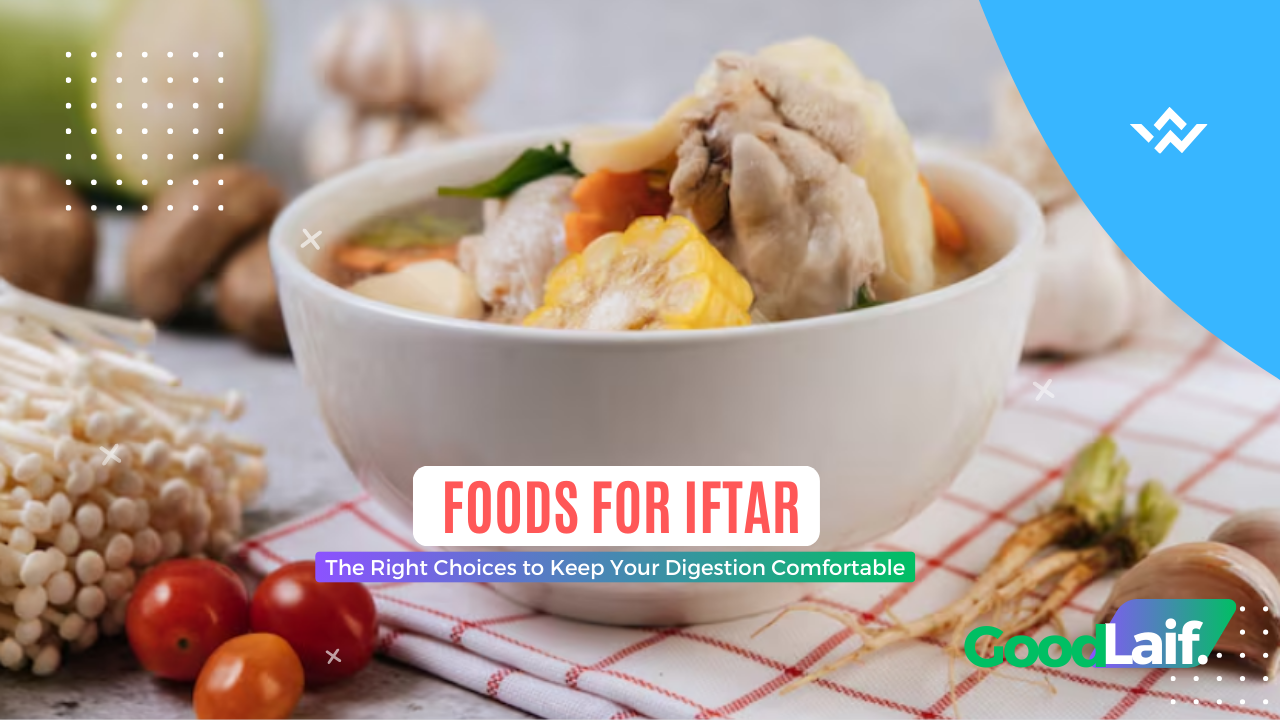
Breaking the fast is a long-awaited moment after abstaining from food and drink throughout the day. However, the stomach is actually in a sensitive condition after fasting for approximately 12-14 hours without any intake. When iftar time arrives, many people tend to consume heavy, spicy, or oily foods immediately without considering the readiness of their digestive system. This habit can trigger various digestive issues such as bloating, heartburn, stomach pain, and acid reflux. Therefore, choosing stomach-friendly foods for Iftar when breaking your fast is essential to help your digestive system adapt gradually from an empty state back to normal digestive activity.
Why Should You Choose Stomach-Friendly Foods for Iftar?
During fasting, stomach acid continues to be produced even though there is no food to digest. When food is suddenly consumed in large portions or contains ingredients that are difficult to digest, the stomach is forced to work harder. This can potentially irritate the stomach lining and lead to symptoms such as nausea, a burning sensation in the chest, and acid reflux.
Stomach-friendly foods generally have a soft texture, low fat content, are not overly acidic, and are easy for the body to digest. These types of foods help stabilize the stomach before it receives heavier meals.
Recommended Stomach-Friendly Foods for Breaking the Fast


1. Warm Soups or Brothy Dishes
Warm, liquid-based foods are highly recommended because they help stimulate the digestive system gradually. Chicken soup, vegetable soup, or clear broth contain fluids and nutrients that help rehydrate the body while preparing the stomach to receive the next meal. The warmth of these foods can also have a soothing effect on an empty stomach.
2. Fruits with High Water Content
Fruits such as watermelon, melon, papaya, and bananas have a soft texture and high water content. These fruits not only help rehydrate the body but also provide vitamins and fiber that support digestion. Bananas, for example, are known to help neutralize stomach acid due to their potassium content.
However, it is best to avoid highly acidic fruits such as pineapple or citrus fruits on a completely empty stomach, especially for those with a history of digestive issues.
3. Easily Digestible Complex Carbohydrates
Carbohydrates are still needed to restore energy after fasting. Options such as oatmeal, boiled potatoes, boiled sweet potatoes, or whole wheat bread are better alternatives compared to fried foods. Complex carbohydrates also provide longer-lasting satiety without putting excessive strain on the stomach.
4. Soft-Textured Foods
Soft foods such as rice porridge or mung bean porridge are relatively easy to digest and do not require the stomach to work too hard. These types of foods are ideal for the initial stage of iftar before moving on to the main meal.
5. Low-Fat Protein Sources
Protein is necessary to help restore energy and maintain muscle mass. Options such as tofu, steamed tempeh, boiled eggs, or skinless chicken are recommended due to their lower fat content, which reduces the likelihood of triggering excessive stomach acid production.
Foods to Avoid at the Beginning of Iftar
Some types of food and drinks may irritate the stomach if consumed immediately when breaking the fast, including:
- Fried or high-fat foods
- Spicy foods
- Caffeinated beverages such as coffee
- Carbonated drinks
- Extremely cold foods or beverages
- Foods high in refined sugar consumed in large amounts
Avoiding these types of foods at the beginning of iftar can help prevent digestive discomfort and maintain stomach health throughout the fasting period.
Recommended Eating Sequence for Iftar
To prevent digestive shock, it is advisable to follow this order when breaking your fast:
- Drink water to rehydrate the body
- Consume fruits or naturally sweet foods in small portions
- Eat warm, brothy dishes
- Follow with a balanced main meal
By following a gradual eating pattern, the stomach has time to adjust, allowing the digestive process to function more optimally.
Conclusion
Choosing stomach-friendly foods for iftar not only helps prevent digestive problems but also keeps your body comfortable throughout the fasting period. Starting with light, easily digestible foods allows your stomach to adapt properly, helping you maintain better overall health during Ramadan.
READ ALSO ARTICLE: Food Craving or Real Hunger? How to Tell the Difference While Fasting