


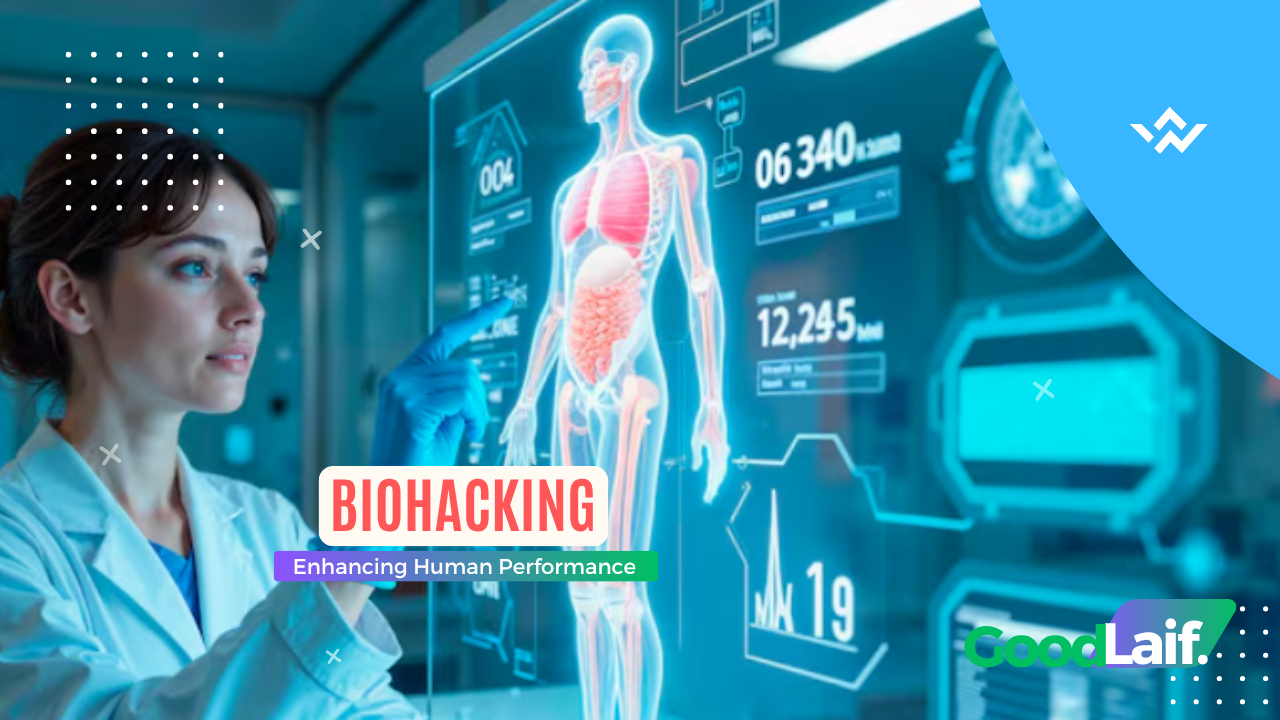
In the age of technology and information, more people are seeking ways to improve their quality of life through science-based approaches. One concept that has gained increasing popularity is biohacking, a collection of methods aimed at optimizing the body and mind through lifestyle changes, nutrition, technology, and regular health monitoring. This approach helps individuals achieve better physical and mental well-being by utilizing data, healthy habits, and advancements in scientific research.
What Is Biohacking?
In general, biohacking is the practice of making small but measurable changes to daily habits so that the body can function more efficiently. It does not always involve advanced technology; it also includes simple practices such as maintaining a consistent sleep schedule, eating a nutritious diet, exercising regularly, and monitoring health indicators. The main principle of biohacking is understanding how the body responds to different habits, allowing each individual to develop strategies that best suit their personal needs.
Common Biohacking Methods
Several methods are commonly used to improve overall physical and mental performance, including:
- Maintaining a consistent sleep schedule.
- Eating a balanced diet that meets the body’s nutritional needs.
- Exercising regularly at an appropriate intensity.
- Managing stress through meditation or breathing exercises.
- Using wearable devices to monitor heart rate, sleep quality, and daily physical activity.
By continuously evaluating these factors, individuals can better understand how their bodies respond and adjust their daily routines based on the collected data.
Benefits for Health and Productivity
When practiced appropriately, biohacking can offer several potential benefits, including:
- Improving sleep quality.
- Maintaining energy levels throughout the day.
- Enhancing concentration and focus at work.
- Increasing physical fitness.
- Supporting better stress management.
- Promoting faster recovery after physical activity.
However, results may vary from person to person depending on factors such as overall health, age, lifestyle, and genetics.
Is Biohacking Safe?
Most biohacking methods that focus on healthy lifestyle changes are generally considered safe when implemented gradually and supported by scientific evidence. However, approaches involving certain supplements, extreme diets, or experimental technologies should be approached with caution.
Before making significant lifestyle changes, especially for individuals with existing medical conditions, it is advisable to consult a healthcare professional to maximize the benefits while minimizing potential risks.
The Future of Data-Driven Human Optimization
Advances in technology have made health monitoring more accessible than ever. Smart devices can now track various health indicators, from sleep quality to daily activity levels. This information enables individuals to make more informed decisions about maintaining and improving their health.
As scientific research continues to evolve, biohacking is expected to rely increasingly on artificial intelligence, health data analytics, and digital technologies capable of providing more personalized recommendations based on each individual’s unique condition.
Conclusion
The growing popularity of biohacking demonstrates that improving human performance depends not only on exercise or nutrition but also on understanding the body’s unique needs through evidence-based approaches. By consistently practicing healthy habits and avoiding methods that lack proven safety and effectiveness, individuals can optimize their health, productivity, and overall quality of life over the long term.
READ ALSO ARTICLE: Immune Support Supplements: How to Choose the Right One