


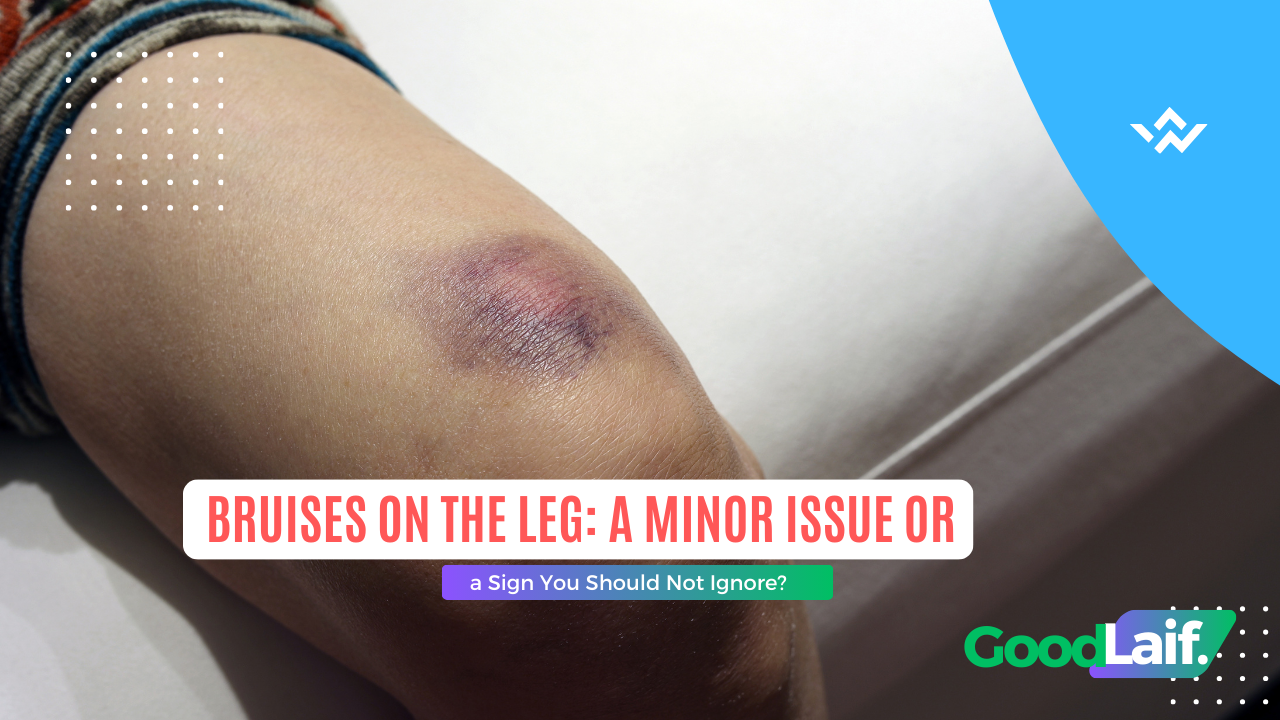
Have you ever noticed bruises on your leg even though you do not remember bumping into anything? At first, it may look like a harmless change in skin color—purple, blue, or greenish patches that seem to appear out of nowhere. This often sparks curiosity and concern. Are bruises normal, or could they be a sign of something more serious?
Bruises on the leg are very common and can happen to people of all ages. In most cases, they are harmless and heal on their own. However, understanding why bruises appear and how to treat them properly can help you determine when they are normal and when they require medical attention.
What Are Bruises on the Leg?
Bruises, also known as contusions, occur when small blood vessels under the skin break due to impact or pressure. The leaked blood becomes trapped in the surrounding tissue, causing visible discoloration on the skin. Bruises on the leg often change color as they heal, starting with reddish or purplish tones, then turning blue, green, or yellow before fading completely.
Common Causes of Bruises on the Leg
Most bruises on the leg are caused by minor bumps or injuries that may go unnoticed, such as hitting furniture, stairs, or during daily activities. However, there are several other factors that can contribute to frequent or unexplained bruising, including:
- Physical activity or intense exercise, which can strain muscles and blood vessels
- Aging skin, as thinner skin and weaker blood vessels bruise more easily
- Vitamin deficiencies, especially vitamin C and vitamin K
- Certain medications, such as blood thinners or anti-inflammatory drugs
- Medical conditions, including blood clotting disorders
If bruises on your leg appear frequently without a clear cause, it is important not to ignore them.
How to Treat Bruises on the Leg Effectively


In most cases, bruises on the leg heal within one to two weeks without special treatment. However, the following steps can help reduce discomfort and speed up recovery:
- Apply a Cold Compress
Use an ice pack wrapped in a clean cloth for 10–15 minutes shortly after the injury. This helps reduce swelling and limits blood leakage under the skin. - Rest the Affected Leg
Avoid activities that put pressure on the bruised area. Giving your leg time to rest allows the tissue to heal faster. - Elevate the Leg
When lying down, keep your leg slightly elevated above heart level to reduce blood flow to the bruised area and minimize swelling. - Use a Warm Compress After 48 Hours
Once the initial swelling subsides, applying a warm compress can improve blood circulation and help the body reabsorb trapped blood.
The Role of Nutrition in Bruise Healing
Nutrition plays an important role in how quickly bruises on the leg heal. Foods rich in vitamin C, such as oranges, strawberries, and bell peppers, help strengthen blood vessels. Vitamin K, found in leafy green vegetables, supports proper blood clotting. Adequate protein intake also supports tissue repair and recovery.
When Should You See a Doctor?
Although most bruises on the leg are harmless, you should seek medical advice if:
- Bruises appear frequently without injury
- The bruise is very painful or severely swollen
- Bruising lasts longer than two weeks
- Bruises are accompanied by fatigue, bleeding, or other unusual symptoms
These signs may indicate an underlying condition that needs professional evaluation.
Read Also : Varicose Veins in the Legs: Protect Your Legs Starting Now
Conclusion
Bruises on the leg are usually a normal response to minor injuries and often heal on their own. However, paying attention to how often they occur, how long they last, and whether other symptoms are present is essential. With proper care, healthy nutrition, and awareness, most leg bruises can be managed easily. If bruises appear without a clear cause or do not heal as expected, consulting a healthcare professional is the best step to protect your overall health.