


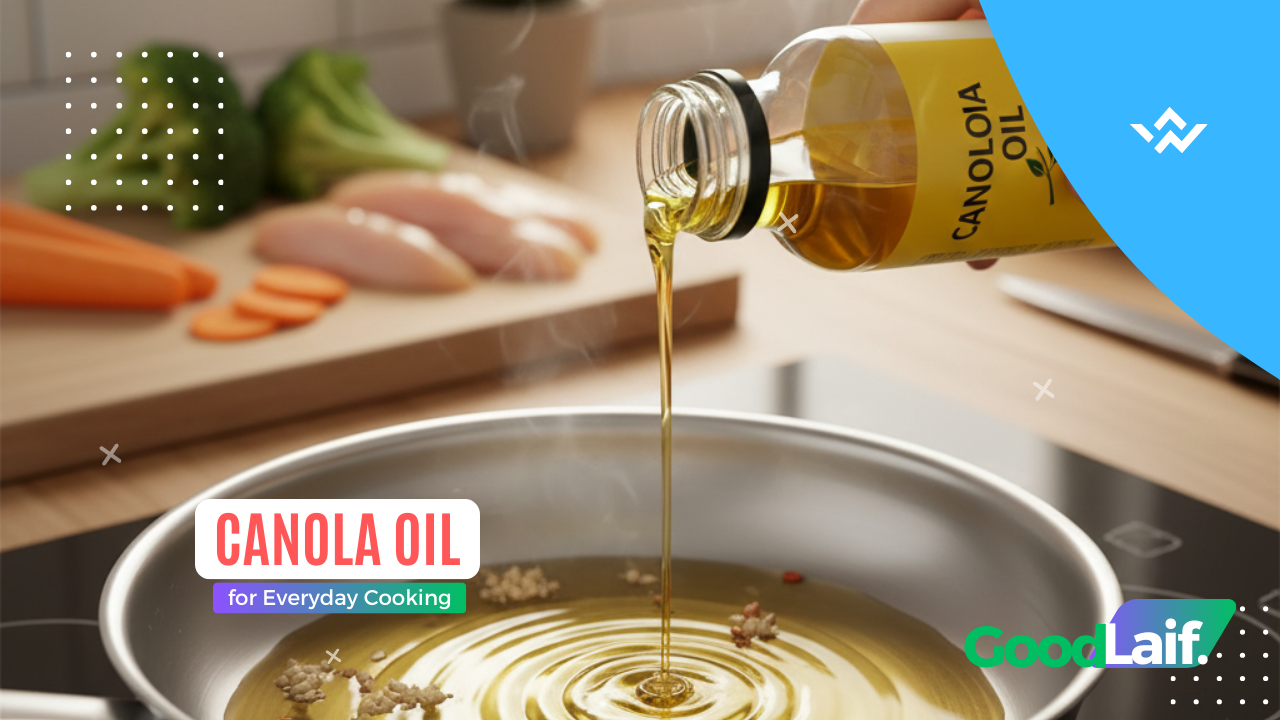
Canola oil is one of the most commonly used vegetable oils in everyday cooking. It is derived from the seeds of the canola plant, which was developed from rapeseed to contain very low levels of erucic acid, making it safe for human consumption. The popularity of this oil continues to grow due to its relatively balanced fat composition and its versatility in various cooking methods.
Nutritional Content
This oil is known for its fat profile that supports a healthy diet. One tablespoon of this oil typically contains:
- A high amount of monounsaturated fats
- Polyunsaturated fats, including omega-3 and omega-6 fatty acids
- A relatively low level of saturated fat
- Vitamin E, which acts as an antioxidant
This combination makes this oil frequently recommended as a healthier alternative to cooking oils that are high in saturated fat.
Health Benefits

1. Supports Heart Health
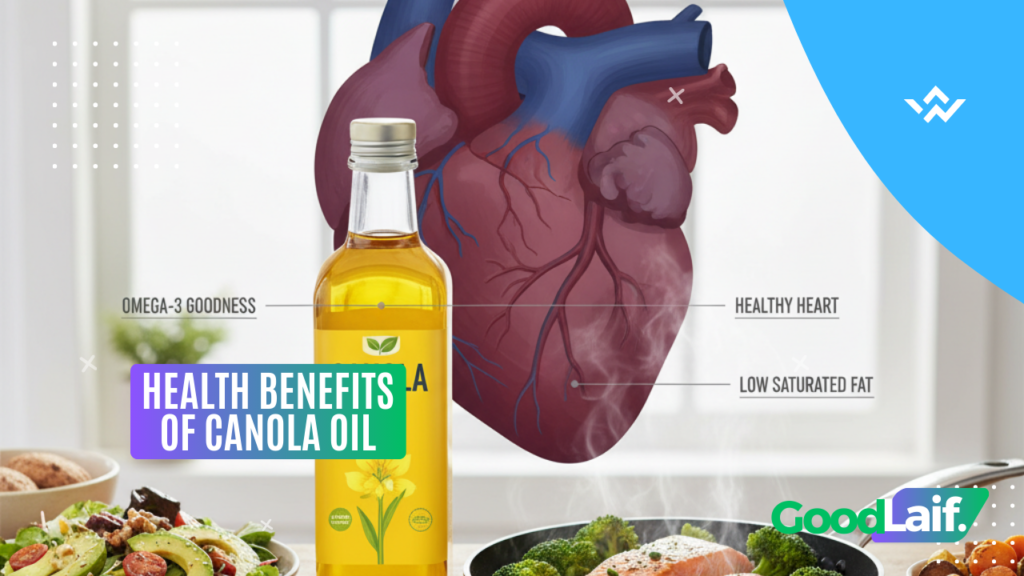
The monounsaturated fats and omega-3 fatty acids in canola oil help lower LDL (bad) cholesterol levels while maintaining healthy HDL (good) cholesterol. When consumed in moderation, this oil can support blood vessel health and reduce the risk of cardiovascular disease.
2. Helps Manage Inflammation
Omega-3 fatty acids are known for their anti-inflammatory properties, which may help reduce chronic inflammation in the body. This can be beneficial for individuals at risk of inflammation-related conditions.
3. Supports a Balanced Diet
This oil has a neutral flavor and light texture, making it suitable for a wide range of dishes without altering the original taste of food. This characteristic makes it easier to consistently apply healthier cooking practices.
Risks and Controversies Surrounding
Despite its benefits, canola oil is not without controversy. Several points should be considered:
- The refining process of this oil often involves high temperatures, which may reduce some of its natural nutrients.
- Most commercially available this oil comes from genetically modified crops, although it is currently considered safe by food safety authorities.
- Repeated use of canola oil at high cooking temperatures may lead to the formation of oxidative compounds that could pose health risks.
For these reasons, canola oil should be consumed in moderation and used appropriately.
Recommended Ways to Use
To maximize benefits and minimize potential risks, the following usage tips are recommended:
- Use canola oil for light sautéing, baking, or as a base for salad dressings.
- Avoid repeated use for high-temperature deep frying.
- Choose high-quality canola oil and store it in a cool, dark place.
- Combine canola oil with other healthy oils, such as olive or virgin coconut.
Conclusion
Canola oil is a vegetable with a relatively balanced fat composition and potential benefits for heart health and a balanced diet. However, like any oil, it should be used wisely and not in excessive amounts. By understanding its benefits, risks, and proper usage, this oil can be part of a healthy and balanced dietary pattern.
READ ALSO ARTICLE: Extra Virgin Olive Oil Benefits For Health And Beauty