
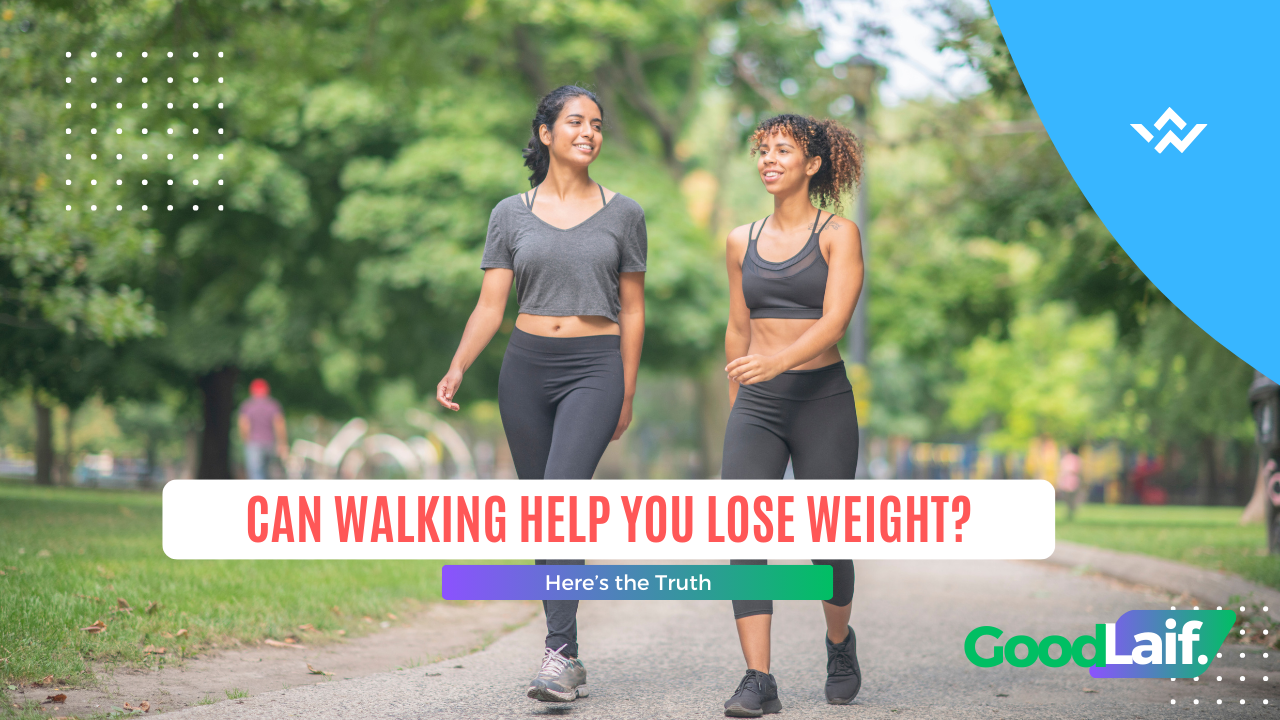
Have you ever wondered whether walking can actually help you lose weight without intense workouts or going to the gym? This simple activity is often underestimated because it feels too easy. Yet, many people do it every day without realizing that walking could play an important role in weight loss. So, is it true that walking can reduce body weight, or is it just a myth?
To answer this curiosity, it’s important to understand how the body works during physical activity.
Walking is considered a low- to moderate-intensity cardio exercise. When you walk, your body uses energy from calories stored in the body, including fat. Although walking does not burn as many calories as running or high-intensity training, it has a major advantage: it can be done regularly and for longer durations with minimal risk of injury.
On average, a 30-minute walk can burn around 100 to 200 calories, depending on body weight and walking speed. When practiced consistently every day, these calories add up over time and contribute to gradual weight loss.
Can Walking Really Help You Lose Weight?
The answer is yes — walking can help with weight loss if done correctly. The key lies in consistency and lifestyle balance. Walking supports the creation of a calorie deficit, which means your body burns more calories than it consumes.
Many people fail to see results not because walking is ineffective, but because it is done without structure. Walking occasionally will not make much difference. However, turning it into a daily habit can produce visible and lasting results.
For effective weight loss, walking for 30 to 60 minutes per day is recommended. Walking pace also matters. A relaxed stroll is good for general health, but brisk walking increases heart rate and helps burn fat more efficiently.
Some people prefer walking in the morning, while others choose the afternoon or evening. Both are beneficial as long as the total duration is met. What truly matters is consistency rather than timing.
Diet Support for Better Results
Walking alone may not be enough if it is not supported by healthy eating habits. Consuming excessive calories can slow down progress even if you walk daily. A balanced diet that includes vegetables, fruits, protein, and controlled portions plays an important role in supporting weight loss.
When walking is combined with proper nutrition, the body becomes more efficient at using fat as an energy source.
Additional Benefits Beyond Weight Loss
Besides helping reduce body weight, walking offers many other health benefits. It improves heart health, boosts metabolism, enhances blood circulation, and helps regulate blood sugar levels.
Walking also has a positive impact on mental health. It can reduce stress, improve mood, and support better sleep quality. Lower stress levels help balance hormones that are often linked to fat storage.
Common Mistakes When Relying on Walking
One common mistake is expecting instant results. Weight loss through walking usually happens gradually. However, this slow process is more sustainable and easier to maintain in the long term.
Another mistake is inconsistency. Skipping days frequently can reduce the overall effectiveness of walking as a weight loss method.
Read Also : Benefits of Green Tea for Diet and Natural Fat Burning
Conclusion
So, can walking help you lose weight? The truth is yes — it can, when done consistently, with sufficient duration, and supported by a healthy lifestyle. Walking may seem simple, but its long-term impact can be powerful.
For those who want a safe, realistic, and sustainable way to lose weight, walking can be the perfect first step. Sometimes, the biggest changes truly begin with small steps.








+ There are no comments
Add yours