
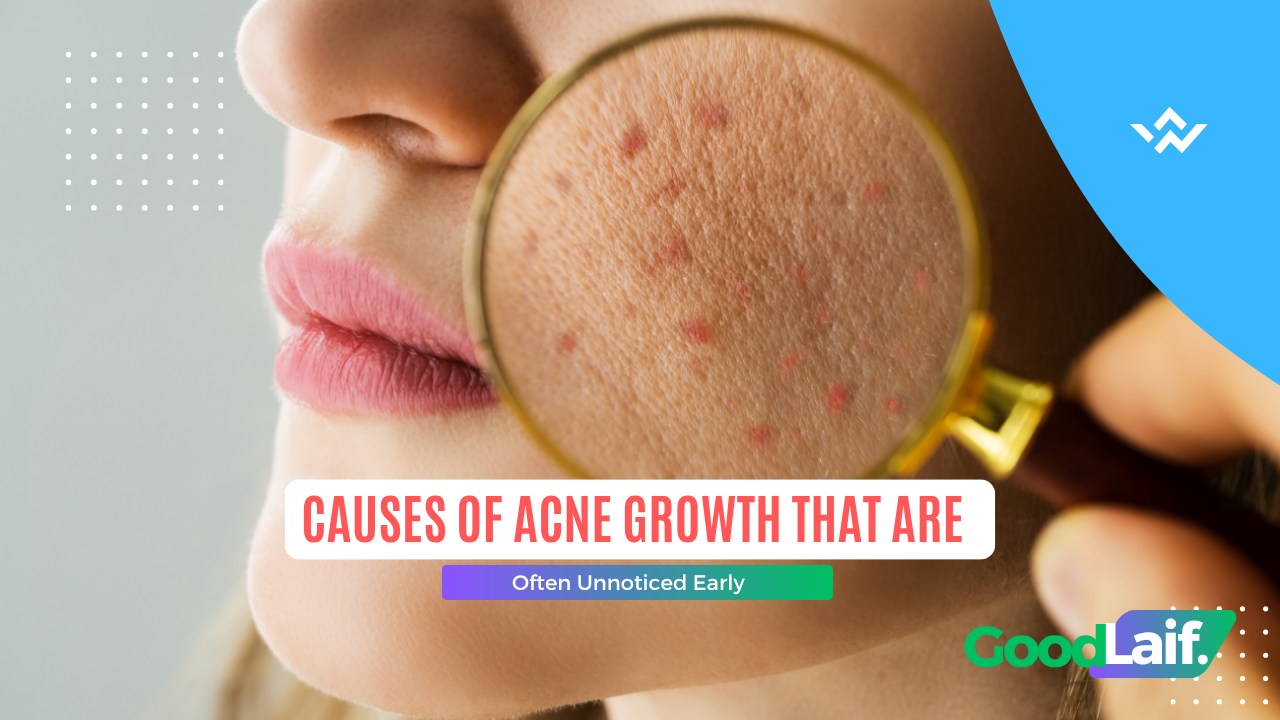
Have you ever experienced pimples suddenly appearing even though you already wash your face regularly and use skincare products? This condition often confuses many people because acne can appear at any time, even when the skin seems perfectly fine. Some people also think acne only happens because of a dirty face. In fact, the causes of acne growth can be influenced by many factors that are often unnoticed in daily life.
Acne is a skin problem that occurs when pores become clogged with oil, dead skin cells, and dirt. This condition can appear on the face, back, chest, and other areas of the body. Besides affecting appearance, acne can also cause pain, inflammation, and lower self-confidence.
Causes of Acne Growth
There are several factors that can trigger acne on the skin.
1. Excess Oil Production
Skin that produces too much oil is more likely to experience clogged pores, making acne easier to develop.
2. Buildup of Dead Skin Cells
Dead skin cells that are not removed properly can mix with oil and block the pores.
3. Hormonal Changes
Hormonal changes during puberty, menstruation, or stress can increase oil production in the skin.
4. Rarely Cleaning the Face
Dust, makeup, and dirt that accumulate on the skin can trigger acne if the face is not cleaned properly.
5. Using the Wrong Skincare Products
Certain skincare products may irritate the skin or clog pores, leading to breakouts.
6. Unhealthy Eating Habits
Foods high in sugar and oil are often linked to a higher risk of acne in some people.
7. Excessive Stress
When stressed, the body may produce hormones that can worsen acne conditions.
Habits That Can Worsen Acne
Besides the main causes, there are several habits that can make acne harder to heal.
1. Frequently Touching the Face
Dirty hands can transfer bacteria to the face and worsen acne.
2. Popping Pimples
This habit can cause more severe inflammation and leave scars on the skin.
3. Staying Up Late
Lack of sleep may affect hormone balance and skin health.
4. Rarely Changing Pillowcases
Dirty pillowcases can become a place for oil and bacteria to build up.
How to Reduce the Risk of Acne

There are several steps that can help keep the skin clean and reduce the risk of acne.
1. Wash Your Face Regularly
Use a facial cleanser suitable for your skin type to help remove oil and dirt.
2. Use Suitable Skincare Products
Choose non-comedogenic products so they do not clog pores easily.
3. Eat Healthy Foods
Consume more fruits, vegetables, and water to help maintain healthy skin.
4. Manage Stress Properly
Get enough rest and do relaxing activities to help reduce stress levels.
In addition, it is important to keep items that frequently touch the face clean, such as phones, towels, and makeup brushes. These objects are often overlooked even though they can store bacteria that trigger acne. Avoiding excessive use of skincare products can also help keep the skin balanced.
Read Also : Zinc for Acne: Is It Really Effective for Clearer Skin?
Conclusion
The causes of acne growth can be influenced by many factors, ranging from excess oil production to unhealthy daily habits. Therefore, maintaining clean skin and a healthy lifestyle is very important to help reduce the risk of acne.
By understanding the causes and proper skincare methods, you can help keep your skin healthier and reduce excessive acne growth.






+ There are no comments
Add yours