


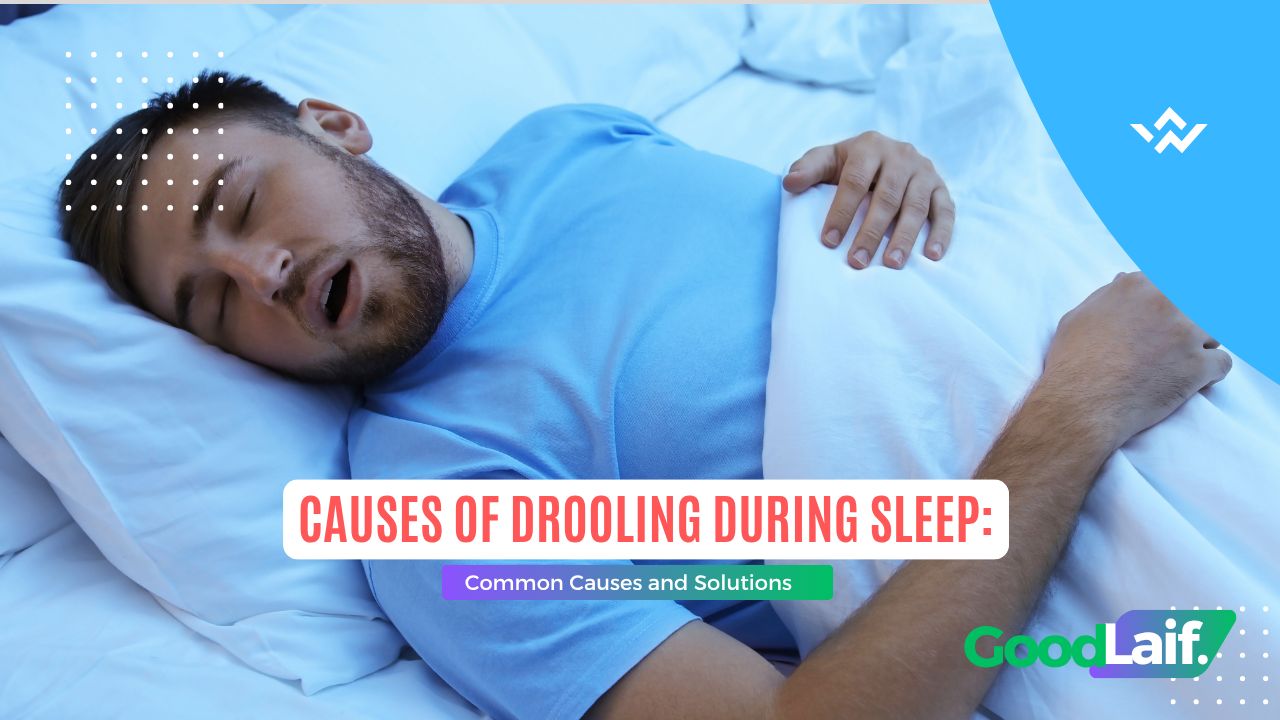
Have you ever woken up to find a wet pillow because of drool? It can feel a little embarrassing, especially if it happens almost every night. Besides making your sleep less comfortable, it may also leave you wondering whether something is wrong with your health. The good news is that, in many cases, the causes of drooling during sleep are harmless. However, if it happens frequently or is accompanied by other symptoms, it’s worth paying closer attention.
Understanding the causes of drooling during sleep can help you find the right way to manage it and know when it’s time to seek medical advice.
Why Do People Drool While Sleeping?
When you fall asleep, the muscles throughout your body become more relaxed, including the muscles around your mouth. If your mouth stays open or your body produces more saliva than usual, saliva can easily escape while you’re sleeping.
Some people only experience this occasionally. Others may drool almost every night because of certain habits or underlying health conditions.
Common Causes of Drooling During Sleep
Now that you know how it happens, let’s look at some of the most common causes of drooling during sleep.
1. Sleeping on Your Side or Stomach
Your sleeping position plays an important role. When you sleep on your side or stomach, gravity makes it easier for saliva to flow out of your mouth.
If this is the only cause, there’s usually nothing to worry about, and changing your sleeping position may help reduce drooling.
2. Nasal Congestion
A blocked nose caused by a cold, allergies, or sinusitis often forces you to breathe through your mouth. As a result, your mouth stays open while you sleep, allowing saliva to escape more easily.
Treating nasal congestion may also help reduce nighttime drooling.
3. Excess Saliva Production
Sometimes your body naturally produces more saliva than usual. This may happen because of mouth infections, gastroesophageal reflux disease (GERD), or certain medications, including allergy medicines and sedatives.
The more saliva your body produces, the greater the chance it may leak out while you’re asleep.
4. Sleep Apnea
Sleep apnea is a sleep disorder that causes breathing to stop and start repeatedly during the night. People with this condition often snore loudly, sleep with their mouths open, and experience poor-quality sleep.
They may also wake up with a dry mouth, morning headaches, or still feel tired even after a full night’s sleep. If these symptoms sound familiar, it’s a good idea to consult a healthcare professional.
5. Neurological Disorders
In some cases, neurological conditions such as Parkinson’s disease or stroke can affect your ability to swallow saliva properly. As a result, saliva may collect in the mouth and leak out during sleep.
These conditions are usually accompanied by other noticeable symptoms and require medical evaluation.
How to Reduce Drooling During Sleep

So, what can you do to stop drooling while you sleep? Fortunately, there are several simple habits that may help.
- Try sleeping on your back instead of your side.
- Treat nasal congestion if it’s causing the problem.
- Maintain good oral hygiene by brushing and flossing regularly.
- Drink enough water to support overall oral health.
- Talk to your doctor if you suspect your medication or a medical condition is contributing to the problem.
These steps may not stop drooling overnight, but practicing them consistently can help reduce the problem over time.
When Should You See a Doctor?
Occasional drooling during sleep is usually normal. However, you should seek medical advice if you:
- Drool almost every night.
- Snore loudly or stop breathing while sleeping.
- Have difficulty swallowing or frequently choke.
- Notice weakness in your face or one side of your body.
- Experience fever, pain, or swelling in your mouth.
A doctor can determine the underlying cause and recommend the most appropriate treatment.
Read Also : Sleeping with Wet Hair: Is It Really Harmful to Your Hair?
Conclusion
The causes of drooling during sleep range from simple habits, such as sleeping position, to medical conditions like nasal congestion, sleep apnea, or neurological disorders. Occasional drooling is generally harmless. However, if it happens frequently or comes with other symptoms, it’s important to have it checked by a healthcare professional.
This article is intended for general educational purposes only and should not replace professional medical advice, diagnosis, or treatment. There’s no need to feel embarrassed—drooling during sleep is a common condition, and in many cases, it can be managed once the underlying cause is identified.