


Have you ever looked in the mirror in the morning and noticed that your facial skin appears dry, flaky, or even peeling? This condition can feel uncomfortable and affect self-confidence. Many people immediately blame the weather or assume it is a minor issue. In fact, there are various causes of peeling facial skin that need to be understood so the right care can be applied without making the condition worse.
Peeling facial skin is a sign that the outer protective layer of the skin is experiencing disruption. Under normal circumstances, the skin regenerates naturally to maintain moisture and overall health. However, when this process is disturbed, the skin can become dry, irritated, and begin to peel. Below are some common causes that are often unnoticed.
Excessively Dry Skin

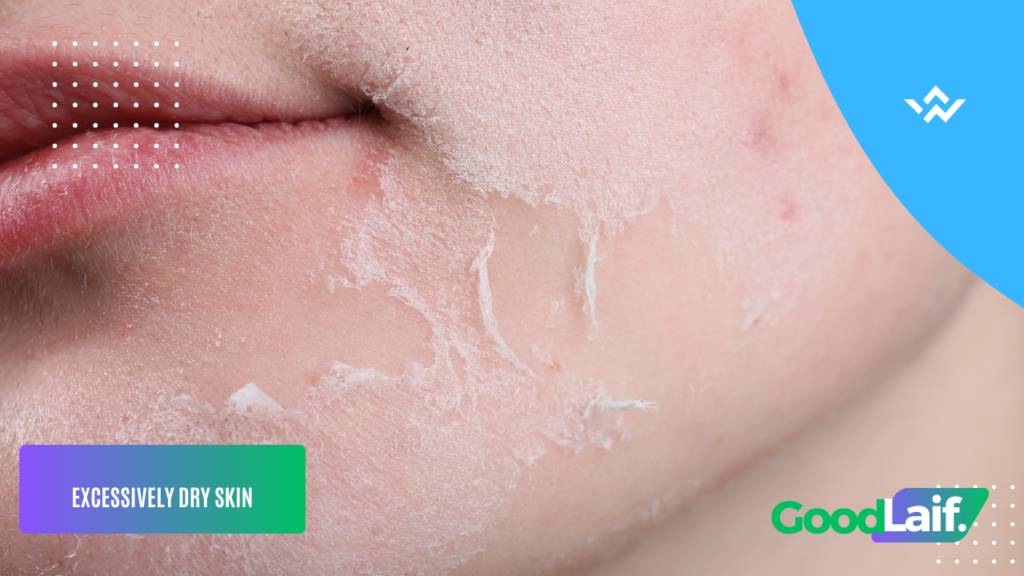
One of the most common causes of peeling facial skin is dryness. This can occur when the skin lacks natural moisture. Factors such as cold weather, air-conditioned environments, or skipping moisturizer can cause the skin to lose hydration. As a result, the skin may feel tight, rough, and eventually start to peel. Dry skin is also more prone to irritation and redness.
Using Unsuitable Skincare Products
Many people do not realize that the skincare products they use daily may actually be damaging their skin. Ingredients such as alcohol, fragrance, or overly strong active compounds can weaken the skin barrier if they are not suitable for a person’s skin type. Over-exfoliation, whether physical or chemical, can also strip away the outer layer of the skin too quickly, leading to sensitivity and peeling.
Excessive Sun Exposure
Unprotected exposure to sunlight can cause significant damage to facial skin. Ultraviolet rays may lead to mild or severe sunburn. One common sign of sun-damaged skin is peeling that appears a few days after exposure. Without regular use of sunscreen, the risk of facial skin peeling increases considerably.
Allergic Reactions and Irritation
Allergic reactions to cosmetic products, facial cleansers, or certain substances that come into contact with the skin can trigger peeling. These reactions are often accompanied by redness, itching, burning sensations, and discomfort. In addition, frequently touching the face with unclean hands or wearing face masks for long periods without proper skincare can worsen irritation.
Certain Skin Conditions
Some skin conditions, such as dermatitis, eczema, and psoriasis, are commonly associated with dry, flaky, and inflamed skin. These conditions usually require specific treatment and cannot be managed with basic skincare alone. In some cases, fungal or bacterial infections may also cause persistent peeling if left untreated.
Lack of Nutrients and Hydration
Facial skin health is not only influenced by external care but is also strongly affected by diet and lifestyle habits. Inadequate water intake and a lack of essential nutrients such as vitamins A, C, and E can reduce the skin’s elasticity and moisture levels. Over time, this internal imbalance becomes one of the overlooked causes of peeling facial skin.
Weather and Environmental Factors
Extreme weather changes, especially transitions from humid to dry conditions, can disrupt the skin’s natural moisture balance. Dry air tends to absorb moisture from the skin, making it more likely to peel. Air pollution can further weaken the skin barrier and worsen sensitivity.
Read Also : Causes of Dry Skin That Are Often Overlooked
Conclusion
Understanding the causes of peeling facial skin is essential for choosing the right treatment and prevention methods. Environmental factors, improper skincare choices, underlying skin conditions, and lifestyle habits all play a role in skin health. By identifying the causes, you can take more effective steps, such as maintaining proper hydration, using skincare products suited to your skin type, protecting your face from sun exposure, and adopting a healthier lifestyle. With consistent care, facial skin can remain smooth, comfortable, and healthy.