


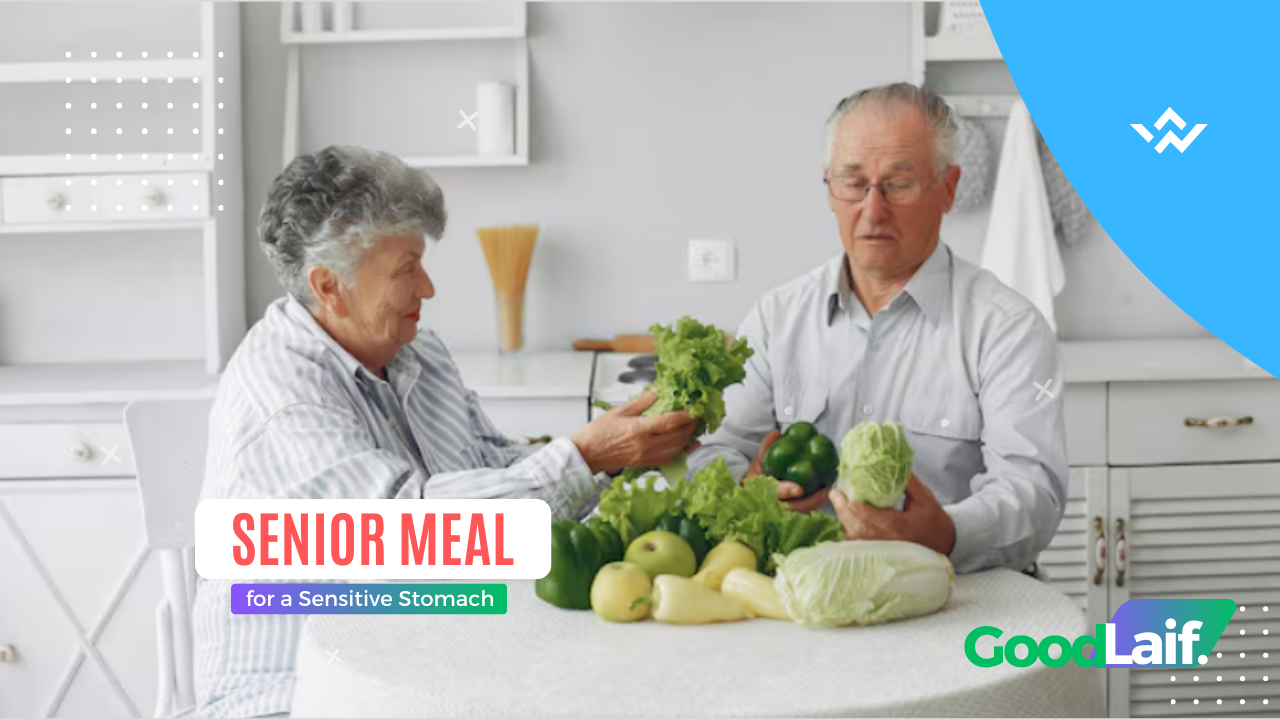
As people age, their nutritional needs and the body’s ability to digest food undergo significant changes. Elderly individuals commonly experience a decline in digestive function, reduced appetite, and a higher risk of chronic conditions such as diabetes, hypertension, and osteoporosis. Therefore, choosing senior meal that are gentle and suitable for seniors is an important factor in maintaining quality of life and long-term health.
Characteristics of Elderly Friendly Foods
Foods for the elderly should have a texture that is easy to chew and swallow, balanced nutritional content, and low levels of substances that may worsen certain health conditions. Key characteristics include:
- Soft texture and easy digestion
- Adequate protein content to maintain muscle mass
- Low saturated fat, sugar, and salt
- Rich in fiber, vitamins, and minerals
- Mild flavors that are not too strong but still appetizing
Recommended Types of Food


1. Complex Carbohydrate Sources
Complex carbohydrates provide stable energy and help maintain healthy blood sugar levels. Examples include brown rice, oatmeal, boiled potatoes, sweet potatoes, and whole grain bread. These carbohydrates also contain fiber that supports digestive health.
2. High Quality Protein Sources
Protein is essential for older adults to prevent muscle loss. Elderly-friendly protein sources include steamed fish, skinless chicken, boiled eggs, tofu, tempeh, and legumes that are prepared by boiling or steaming.
3. Easily Digestible Vegetables and Fruits
Vegetables should be cooked until soft, such as carrots, spinach, pumpkin, and broccoli. Recommended fruits include bananas, papaya, steamed apples, and avocados. These foods are rich in vitamins, minerals, and antioxidants that help support the immune system.
4. Healthy Fats
The elderly still require fats, but in controlled amounts. Healthy fats can be obtained from olive oil, canola oil, avocados, and fatty fish such as salmon and sardines, which are rich in omega-3 fatty acids.
5. Adequate Fluid Intake
Fluid needs are often overlooked in older adults due to a reduced sense of thirst. Drinking enough water, consuming clear soups, and drinking fruit juices without added sugar are important to prevent dehydration and support organ function.
Foods That Should Be Limited
Certain foods should be limited because they can increase the risk of health problems. These include foods high in salt, processed foods, fried foods, overly sweet foods, and excessive caffeine intake. Consuming these foods may trigger high blood pressure, heart problems, and digestive issues.
Tips for Serving Meals to the Elderly

Meal presentation also plays an important role. Smaller portions served more frequently are recommended rather than large portions. In addition, menu variety and attractive presentation can help improve appetite. Seasonings should be adjusted carefully to avoid overly salty or spicy flavors.
Conclusion
Senior meal is not only about soft textures, but also about balanced nutrients that support overall health. With proper food choices, healthy preparation methods, and regular eating patterns, older adults can enjoy a healthier, more independent, and higher-quality life.
READ ALSO ARTICLE: Sport for Active Seniors