


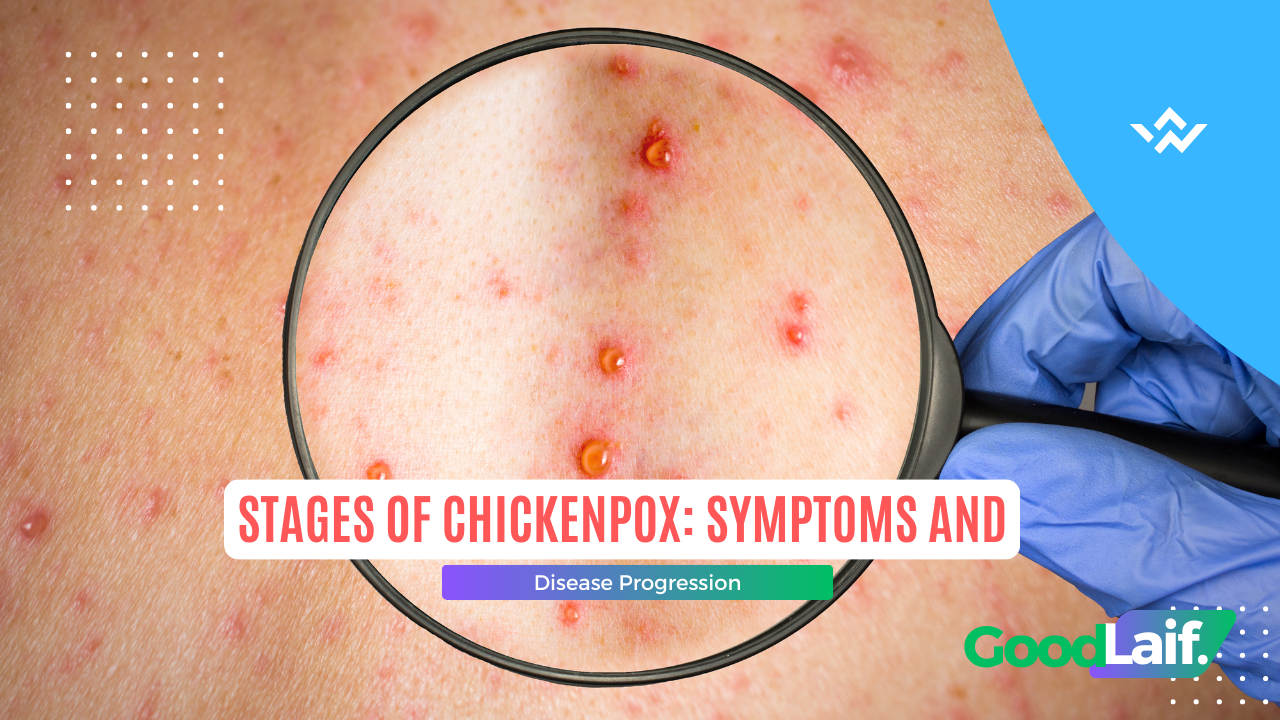
Have you ever experienced sudden itching on your skin accompanied by mild fever and fatigue, only to wonder whether it was just a common flu or something more serious? Many people underestimate these early signs, not realizing they may be the beginning of chickenpox. Understanding the stages of chickenpox is essential, as each phase has distinct symptoms and requires proper care to prevent complications and transmission to others.
Stage 1: Incubation Period
Chickenpox is caused by the varicella-zoster virus and spreads easily through airborne droplets or direct contact with fluid from blisters. After exposure, the virus does not cause immediate symptoms. This silent phase is known as the incubation period and typically lasts between 10 and 21 days. During this time, an infected person appears healthy and may continue daily activities as usual. However, the virus is already multiplying inside the body, and transmission to others can occur without the person realizing it. This makes early prevention and awareness especially important.
Stage 2: Early Symptoms (Prodromal Stage)
After the incubation period ends, early symptoms begin to appear. This stage is often mistaken for a mild viral infection. Common symptoms include low-grade fever, headache, fatigue, muscle aches, and loss of appetite. Some people may also feel mild itching or notice a few small red spots on the skin. These early symptoms usually last one to two days before the characteristic rash appears. Although subtle, this stage signals that the body has started responding to the virus.
Stage 3: Appearance of the Rash
One of the most recognizable stages of chickenpox is the appearance of the rash. The rash usually begins on the face, chest, and back before spreading to other parts of the body, including the arms, legs, and scalp. Initially, the rash appears as small red spots (macules), which then develop into raised bumps (papules). Over time, these bumps turn into fluid-filled blisters known as vesicles. This stage is often accompanied by intense itching, which can be very uncomfortable. Scratching should be avoided, as it may lead to skin infections or permanent scarring.
Stage 4: Blistering and Scabbing
Within a few days, the fluid-filled blisters begin to break open and dry out, forming scabs or crusts. New blisters may continue to appear for several days, meaning different stages of the rash can exist at the same time. This is the most contagious phase of chickenpox, as the virus can spread through direct contact with the blisters or respiratory droplets. During this stage, isolation is strongly recommended, especially to protect infants, pregnant women, and individuals with weakened immune systems.
Stage 5: Healing and Recovery

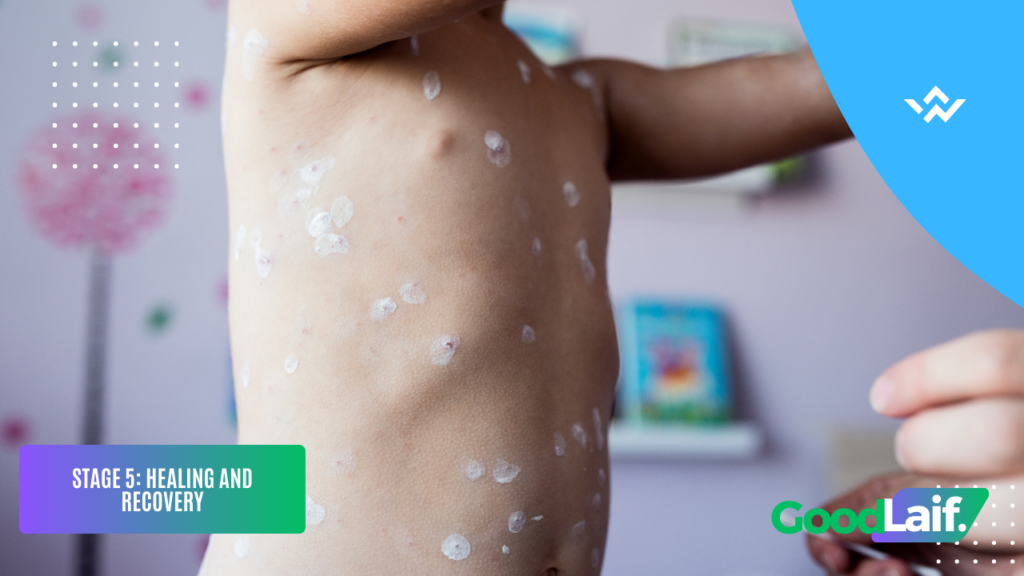
The final stage of the stages of chickenpox is healing. Scabs gradually fall off on their own within one to two weeks, revealing new skin underneath. In most cases, the skin heals completely without leaving scars, as long as the blisters were not scratched excessively. Fever and other symptoms also subside during this phase, and the individual begins to regain energy. Maintaining proper hygiene, staying hydrated, and ensuring adequate rest can help speed up recovery.
Read Also : Reasons for Adult Chickenpox and How to Prevent It Effectively
Conclusion
Understanding the stages of chickenpox allows individuals to recognize symptoms early, manage the condition properly, and reduce the risk of spreading the virus. From the hidden incubation period to early symptoms, the appearance of the rash, blistering, and eventual healing, each stage plays an important role in the overall progression of the disease. Vaccination remains the most effective way to prevent chickenpox, particularly in children. With the right knowledge and care, chickenpox can be managed safely and effectively.