


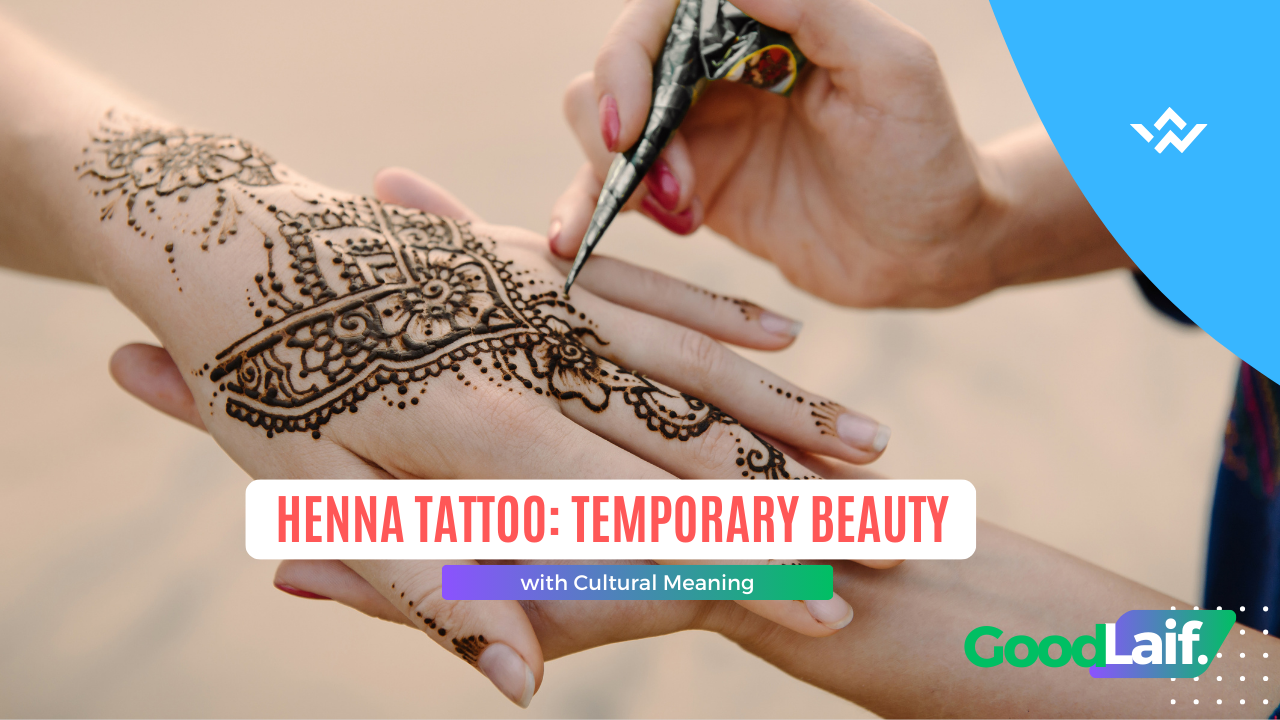
Have you ever noticed someone with intricate patterns adorning their hands or feet that look like tattoos, yet slowly fade away after a few weeks? This often sparks curiosity. Is it a real tattoo, or just a temporary design? That sense of wonder is what leads many people to discover the beauty of the henna tattoo, a form of body art that is not only visually stunning but also rich in cultural meaning.
Unlike permanent tattoos that require needles and long-term commitment, henna tattoos offer a painless and temporary way to express creativity. This is one of the reasons why henna continues to attract people from different backgrounds, ages, and lifestyles.
What Is a Henna Tattoo?
A henna tattoo is a form of temporary body decoration made using a paste derived from the leaves of the Lawsonia inermis plant. The leaves are dried, finely ground, and mixed with natural ingredients to create a smooth paste used to draw patterns on the skin.
Once applied, the paste is left to dry for several hours. At first, the design appears bright orange, but within 24 to 48 hours, it darkens into a rich reddish-brown color. Depending on skin type and aftercare, a henna tattoo can last anywhere from one to three weeks.
The Cultural History and Meaning of Henna Tattoos

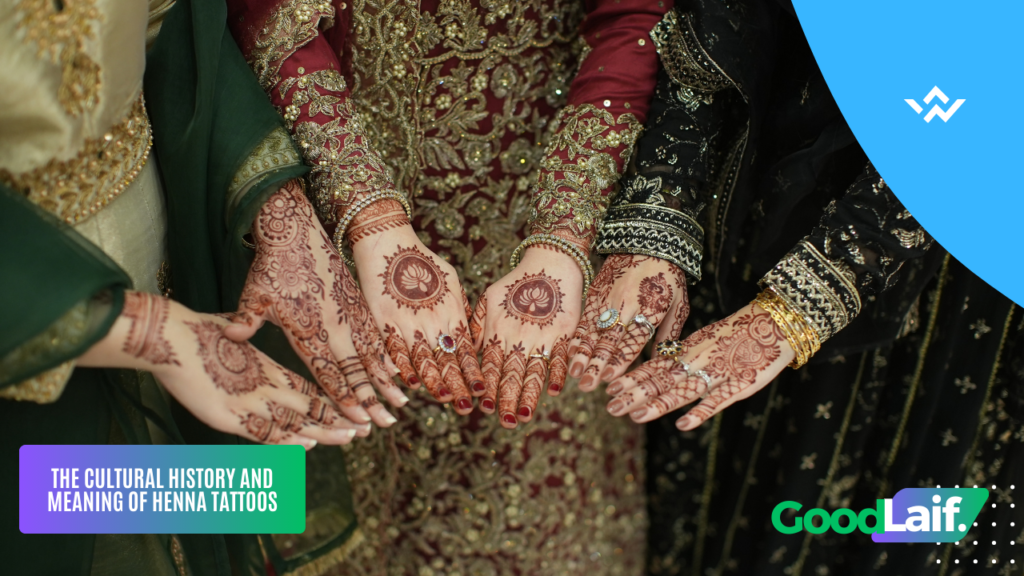
Henna tattoos have been practiced for thousands of years, especially in South Asia, the Middle East, and North Africa. In many cultures, henna is more than just decoration—it holds symbolic and spiritual meaning.
In Indian wedding traditions, henna plays an important role during pre-wedding ceremonies. Intricate bridal henna designs symbolize love, prosperity, and good fortune. There is even a popular belief that the darker the henna stain, the stronger the bond between the couple.
In Middle Eastern and African cultures, henna tattoos are often worn during religious celebrations, festivals, and important life events. Henna is believed to bring blessings, happiness, and protection from negative energy.
Why Henna Tattoos Are So Popular Today
In modern times, henna tattoos have gained widespread popularity, especially among beauty enthusiasts and young adults. One major reason is their temporary nature. People can enjoy the look of a tattoo without the lifelong commitment or fear of regret.
Henna tattoos are also considered safer when made from natural ingredients. Since there are no needles involved, the process is painless and suitable for those who are afraid of traditional tattoos. From a beauty perspective, henna designs are incredibly versatile, ranging from delicate floral patterns to bold mandalas and sleek minimalist styles.
Types and Styles of Henna Tattoos
Traditional henna tattoos usually feature detailed patterns inspired by cultural motifs and are naturally brown or reddish in color. These designs are commonly found on hands, arms, feet, and ankles.
Modern henna styles, on the other hand, often combine traditional elements with contemporary aesthetics. Minimalist henna designs, geometric patterns, and subtle accents have become popular choices for casual wear, photoshoots, and festivals.
It is important to note that black henna should be used with caution. Unlike natural henna, black henna often contains chemical additives that may cause skin irritation or allergic reactions.
How to Care for a Henna Tattoo
Proper aftercare can help a henna tattoo last longer and develop a deeper color. Avoid washing the area with water for several hours after application. Once the color has fully developed, applying natural oils such as coconut oil or olive oil can help protect the design.
Harsh soaps, excessive scrubbing, and exfoliation should be avoided, as they can cause the henna to fade more quickly.
Read Also : Benefit of Facial Treatments for Cleaner and Brighter Skin
Conclusion
A henna tattoo is more than just a temporary beauty trend. It is a timeless art form that blends tradition, culture, and self-expression. With its elegant designs, painless application, and temporary nature, henna tattoos offer a beautiful alternative for anyone looking to enhance their appearance without long-term commitment. Whether for cultural celebration or personal style, henna tattoos continue to captivate people around the world.