
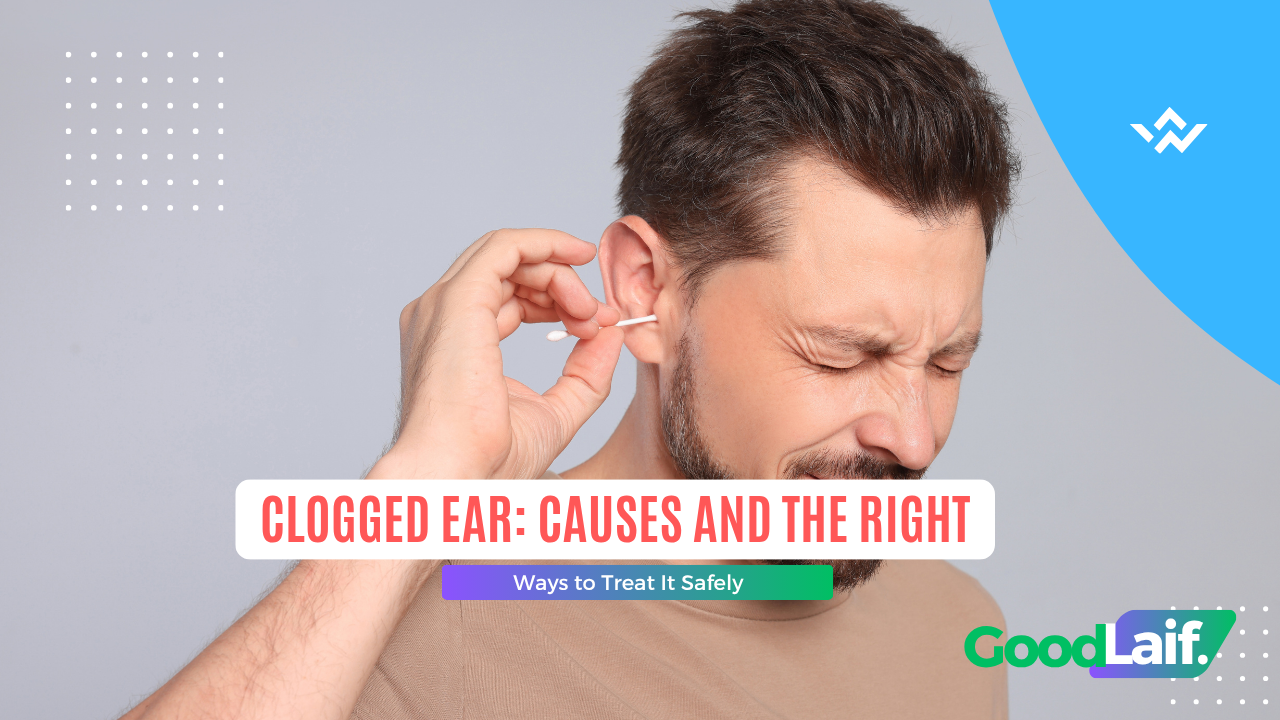
A clogged ear can be frustrating. It may feel like something is blocking your ear, sounds become muffled, and sometimes you may even hear ringing or feel pressure inside your ear. Honestly, it can interfere with your daily activities. Conversations become harder to follow, and even listening to music or watching videos doesn’t feel the same.
If you’re experiencing this, don’t panic. A clogged ear doesn’t always mean there’s a serious medical problem. Sometimes it’s simply caused by earwax buildup. In other cases, it may be triggered by an infection, allergies, or changes in air pressure. That’s why it’s important to identify the cause first so you can choose the right treatment.
What Causes a Clogged Ear?
Simply put, a clogged ear happens when something blocks the ear canal or when there’s a problem inside the ear.
Here are some of the most common causes.
1. Earwax Buildup
This is the most common cause.
Earwax naturally protects your ears from dust and bacteria. However, when too much wax builds up or gets pushed deeper into the ear by using cotton swabs, it can block the ear canal and reduce your hearing.
2. Changes in Air Pressure
Have you ever noticed your ears feeling blocked during a flight or while driving through the mountains?
Changes in air pressure can temporarily cause your ears to feel clogged. The feeling usually goes away once the pressure inside your ears becomes balanced again.
3. Cold or Flu
When you have a cold or the flu, the tube connecting your middle ear and nose can become swollen.
As a result, fluid inside the ear cannot drain properly, creating a feeling of fullness.
4. Allergies
Allergic reactions can also cause swelling in the nose and the passages connected to the ears.
For example, exposure to dust or cold air may cause nasal congestion, followed by a blocked feeling in the ears.
5. Ear Infection
If your clogged ear is accompanied by pain, ear discharge, or fever, an ear infection may be the cause.
This condition should not be ignored because it usually requires proper medical treatment.
According to health experts and ear, nose, and throat (ENT) specialists, clogged ears can have many different causes. Identifying the cause is the first step toward receiving the right treatment.
How to Treat a Clogged Ear
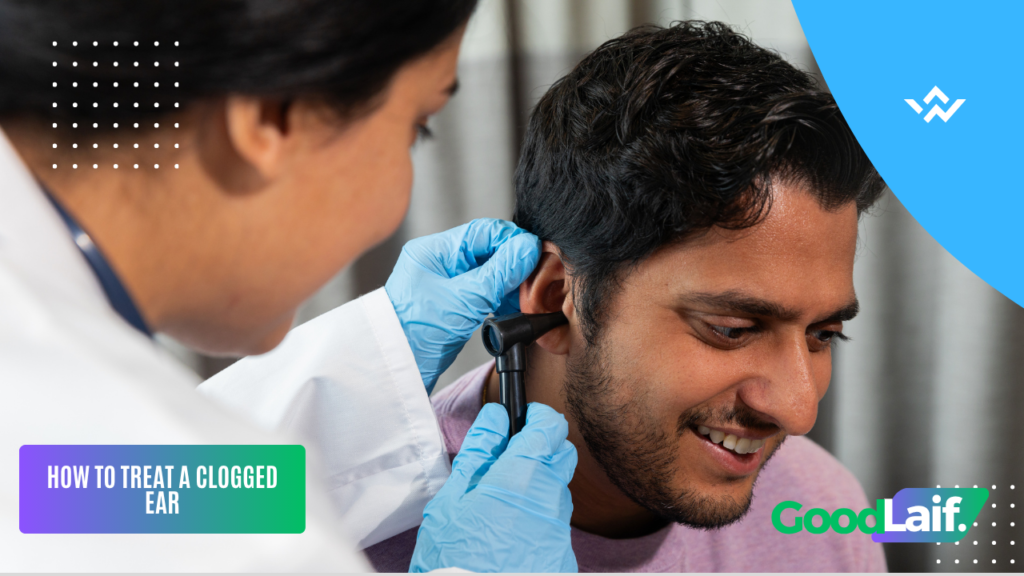
If the problem isn’t caused by a serious condition, these simple methods may help relieve your symptoms.
1. Swallow or Yawn
If your ear feels blocked because of pressure changes, try swallowing, yawning, or chewing gum.
These actions help balance the pressure inside your ears.
2. Apply a Warm Compress
If your clogged ear is related to a cold or the flu, place a warm towel around your ear for several minutes.
Make sure it’s warm rather than hot to avoid burning your skin.
3. Use Medication Only as Directed by Your Doctor
If allergies or an infection are causing the problem, your doctor may prescribe medication based on your condition.
Avoid buying ear drops or antibiotics without medical advice. Also, ear drops should never be used if you have a ruptured eardrum unless your doctor specifically recommends them. Always follow your doctor’s instructions and dosage recommendations.
4. Avoid Using Cotton Swabs
Many people think cotton swabs are the best way to clean their ears.
In reality, they often push earwax deeper into the ear canal, making the blockage even worse.
5. Let an ENT Doctor Remove Earwax
If hardened earwax is causing the blockage, it’s best to let an ENT doctor remove it.
Professional ear cleaning is safer and helps remove the blockage without damaging your ears.
When Should You See a Doctor?
If your clogged ear doesn’t improve after several days, or if you experience severe pain, ear discharge, fever, worsening hearing loss, or dizziness, don’t wait.
See an ENT doctor as soon as possible. They can identify the cause and provide the appropriate treatment.
Please note: This article is for educational purposes only and should not replace professional medical advice.
Read Also : Ear Irrigation: Benefits, Procedure, and What You Should Know
Conclusion
A clogged ear is uncomfortable, but it’s not always a sign of a serious health problem. It can be caused by earwax buildup, a cold, allergies, changes in air pressure, or an ear infection.
Take a moment to think about what happened before your ear started feeling blocked. Did you recently fly on a plane, have a cold, or use cotton swabs? The answer may help you understand the cause. If your symptoms don’t improve or become worse, don’t delay seeing an ENT doctor.








+ There are no comments
Add yours