
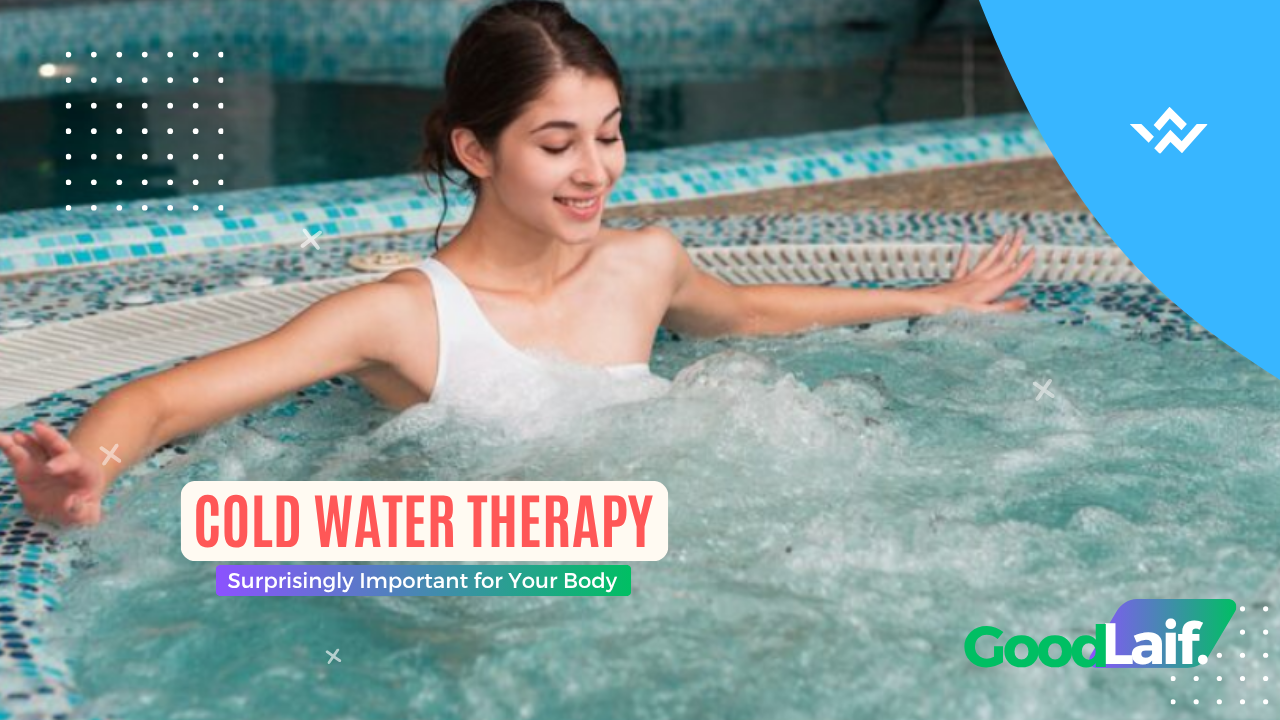
In recent years, cold water exposure has gained significant attention among athletes, fitness enthusiasts, and health-conscious individuals. What was once considered a recovery method used primarily by professional sports teams has now become a popular wellness practice worldwide. Many people are discovering that cold water therapy offers more than just a refreshing experience, it can provide a variety of physical and mental health benefits. From supporting muscle recovery to enhancing overall well-being, this simple practice has become an important part of many healthy lifestyles.
What Is Cold Water Therapy?
Cold water therapy refers to the practice of exposing the body to cold temperatures through methods such as cold showers, ice baths, or cold-water immersion. The water temperature is typically kept between 50°F and 59°F (10°C to 15°C), depending on personal tolerance and specific goals. For centuries, different cultures have used cold water as a natural way to promote health and recovery. Today, modern research continues to explore how controlled exposure to cold temperatures affects the human body.
Supports Muscle Recovery After Exercise
One of the most well-known benefits of cold water therapy is its ability to aid muscle recovery. After intense physical activity, muscles can experience minor inflammation and soreness due to microscopic tissue damage.
Cold water exposure temporarily constricts blood vessels, which may help reduce swelling and discomfort. Once the body warms up again, blood circulation increases, helping deliver oxygen and nutrients to recovering muscles.
This is one reason why many athletes include cold water immersion as part of their post-workout recovery routine.
May Improve Mental Well-Being
The benefits of cold water are not limited to physical recovery. Exposure to cold temperatures can also have a positive impact on mental health.
When the body encounters cold water, it activates several physiological responses that increase alertness and stimulate the release of certain mood-related hormones. Many individuals report feeling more energized, focused, and mentally refreshed after a cold shower or ice bath.
Regular practice of cold water therapy may also help some people better manage daily stress and improve their overall sense of well-being. While it is not a replacement for professional mental health treatment, it can complement a healthy lifestyle.
Promotes Better Blood Circulation
Healthy circulation plays a crucial role in maintaining overall wellness. During cold exposure, blood vessels narrow to help preserve the body’s core temperature. Once the exposure ends, the vessels gradually widen, allowing blood to flow more efficiently throughout the body.
This natural response can support the transportation of oxygen and essential nutrients while helping remove metabolic waste products. Improved circulation may contribute to better recovery and enhanced bodily function over time.
May Strengthen the Body’s Adaptation to Stress
The human body is remarkably adaptable. Controlled exposure to cold temperatures encourages the body to respond and adjust to environmental stressors more effectively. Some studies suggest that regular cold exposure may influence the immune system and improve the body’s resilience. Although more research is needed to fully understand these effects, many practitioners of cold water therapy report feeling healthier and more physically robust after incorporating it into their routines. Consistency and proper technique are key factors in experiencing potential benefits.
How to Practice It Safely
If you are new to cold water exposure, it is important to start gradually. Sudden exposure to extremely cold temperatures can be uncomfortable and may not be suitable for everyone.
Consider the following tips:
- Begin with slightly cooler water during your regular shower.
- Gradually lower the temperature over time.
- Keep sessions short when starting out.
- Pay attention to your body’s response.
- Stop immediately if you experience dizziness or unusual discomfort.
- Consult a healthcare professional if you have underlying medical conditions.
A gradual approach allows the body to adapt more comfortably and safely.
Who Should Be Cautious?
Although cold water exposure can offer several benefits, it may not be appropriate for everyone. Individuals with heart disease, circulatory disorders, uncontrolled blood pressure, or other serious health conditions should seek medical advice before trying it.
Safety should always come first, especially when experimenting with practices that place additional stress on the body.
Conclusion
Cold water exposure is far more than a temporary wellness trend. Its potential benefits, including muscle recovery, improved circulation, enhanced mental well-being, and increased resilience, have made it increasingly popular among people seeking natural ways to support their health.
When practiced responsibly, cold water therapy can become a valuable addition to a healthy lifestyle. By starting slowly and following proper safety guidelines, individuals may experience both physical and mental benefits that contribute to long-term wellness.
READ ALSO ARTICLE: How to Treat Cold Allegy Dont Ignore The Symptoms








+ There are no comments
Add yours