


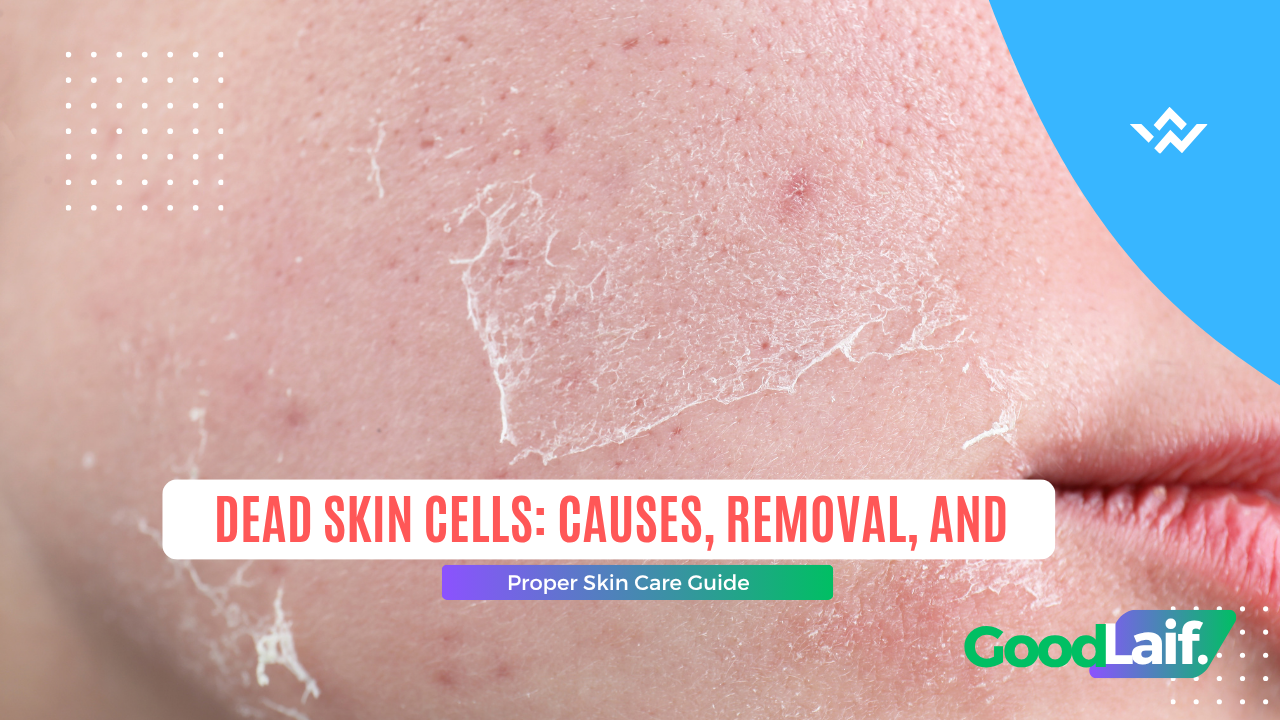
Do you follow a skincare routine every day, yet your skin still feels rough, looks dull, or seems unable to absorb your products? The problem may not be your skincare—it could be a buildup of dead skin cells on the surface of your skin. This buildup can make your complexion look tired while reducing the effectiveness of the products you use.
According to the American Academy of Dermatology (AAD), the skin naturally renews itself approximately every 28 days in young adults, and this process slows down with age. Proper skincare can support healthy skin renewal, but over-exfoliating may damage the skin barrier and lead to irritation.
What Are Dead Skin Cells?
Dead skin cells are skin cells that have reached the end of their life cycle and remain on the outermost layer of the skin. Normally, your skin naturally replaces old cells with new ones. However, factors such as aging, sun exposure, dry skin, and excess oil can slow this process, allowing dead skin cells to accumulate.
As a result, your skin may appear dull, feel rough, develop clogged pores, and absorb skincare products less effectively.
Signs of Dead Skin Cell Buildup
Common signs include:
- Dull and tired-looking skin.
- A rough skin texture.
- Clogged pores that may lead to blackheads.
- Skin that still feels dry even after applying moisturizer.
- Makeup that does not apply smoothly or evenly.
How to Remove Dead Skin Cells

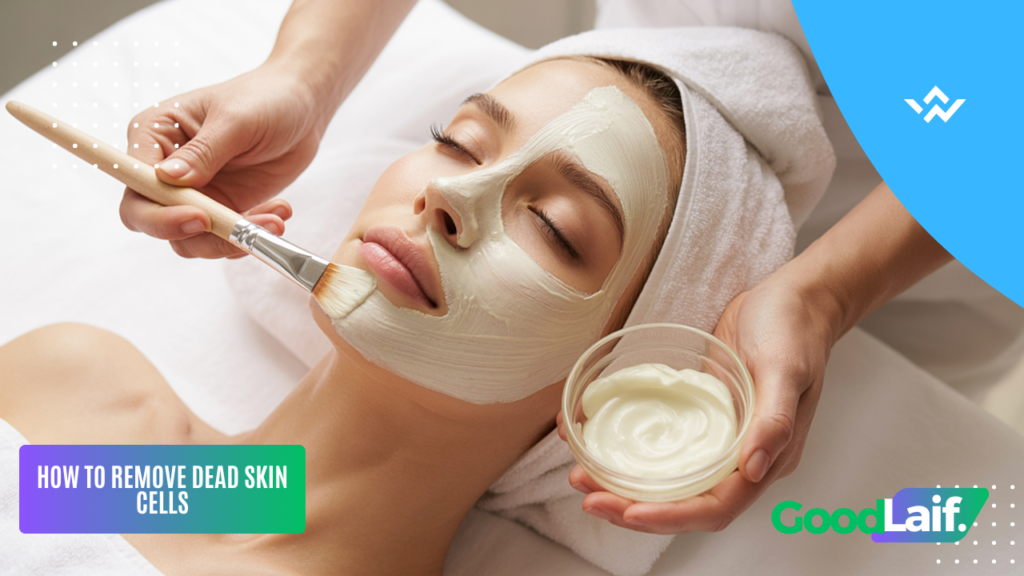
Removing dead skin cells should be done gently to avoid damaging the skin.
1. Use Chemical Exfoliants
Products containing AHAs, BHAs, or PHAs help dissolve dead skin cells without harsh scrubbing. Choose ingredients that match your skin type.
2. Exfoliate Gently
If you use a facial scrub, choose one with fine particles and avoid rubbing your skin aggressively to reduce the risk of irritation.
3. Apply Moisturizer
Well-hydrated skin supports a healthier skin renewal process. Applying moisturizer after exfoliation also helps protect the skin barrier.
4. Wear Sunscreen Daily
Apply a broad-spectrum sunscreen with at least SPF 30 evenly every morning. Since exfoliated skin becomes more sensitive to UV rays, daily sun protection is essential.
Important notes:
- Do not use AHAs, BHAs, or PHAs together with retinol on the same night, as this may increase the risk of irritation.
- Perform a patch test for 24–48 hours before trying a new exfoliating product.
- Pause exfoliation if your skin is irritated, has open wounds, or has inflamed acne.
Note: Results vary for each person. Skin texture often feels smoother within 1–2 weeks, while a brighter complexion may become noticeable after about 4 weeks of consistent skincare.
How Often Should You Exfoliate?
The ideal frequency depends on your skin type.
- Normal skin: 2–3 times a week.
- Oily skin: 2–3 times a week, depending on skin tolerance.
- Dry or sensitive skin: Once a week or as recommended by a dermatologist.
Exfoliating too often may cause redness, dryness, stinging, and damage to the skin barrier.
Do Dead Skin Cells Always Need to Be Removed?
Not necessarily. Dead skin cells naturally shed as part of the skin’s renewal cycle. Exfoliation simply helps this process when cell turnover slows down.
However, avoid exfoliating if your skin is irritated, has open wounds, or has active inflamed acne, as this can worsen the condition.
Read Also : Night Cream: Benefits, How to Choose, and Apply It the Right Way
Conclusion
Dead skin cells are a natural part of your skin’s renewal process. However, when they build up, they can leave your skin looking dull, feeling rough, and make skincare products less effective. Gentle exfoliation combined with proper skincare can help keep your skin smooth, healthy, and radiant.
If your skin remains dull or becomes easily irritated despite proper care, consult a dermatologist for personalized advice. Remember, the goal of exfoliation is to support your skin’s natural renewal process—not to force it. Consistent skincare that suits your skin type is far more effective than over-exfoliating.