



Have you ever suddenly experienced chest tightness while working, walking, or even relaxing? This sensation can be alarming because it may have many possible causes, ranging from stress to heart or lung conditions. That’s why you shouldn’t ignore it, especially if it happens repeatedly or is accompanied by other symptoms.
According to the American Heart Association (AHA), pressure or tightness in the chest can be a sign of heart disease, although not every case is related to the heart. This article is for informational purposes only and is not a substitute for a medical diagnosis or professional examination. If you’re unsure about the cause, consult a general practitioner or a cardiologist for a proper evaluation.
To help you understand this condition better, here are some of the most common causes of chest tightness.
What Causes Chest Tightness?
1. Gastroesophageal Reflux Disease (GERD)
Acid reflux can cause a heavy, tight, or burning sensation in the chest. Symptoms often appear after eating, lying down, or consuming spicy and fatty foods.
2. Stress or Panic Attacks
Excessive anxiety can tighten the chest muscles, leading to pressure or discomfort. This condition is often accompanied by a rapid heartbeat, fast breathing, and feelings of panic.
3. Chest Muscle Strain
Intense physical activity, injury, or poor posture may strain the chest muscles, causing discomfort, especially when moving or taking a deep breath.
4. Heart Disease
Conditions such as angina or a heart attack can cause chest tightness that feels like heavy pressure. The discomfort may spread to the left arm, shoulder, neck, jaw, or back and can be accompanied by shortness of breath, cold sweats, and nausea.
5. Lung Disorders
Lung infections, pleurisy, or pulmonary embolism may also cause chest tightness, particularly when taking deep breaths or coughing.
How to Relieve Chest Tightness
The appropriate treatment depends on the underlying cause. If your symptoms are mild, these steps may help:
- Stop strenuous activity and rest for a while.
- Breathe slowly and steadily if stress or anxiety is the trigger.
- Avoid spicy, fatty, or large meals if acid reflux is suspected.
- Take medication as prescribed if you have GERD or another diagnosed condition.
- Maintain a healthy lifestyle by exercising regularly, getting enough sleep, managing stress, and avoiding smoking.
Note: If your symptoms do not improve after resting or become worse, seek medical attention without delay.
When Should You See a Doctor Immediately?

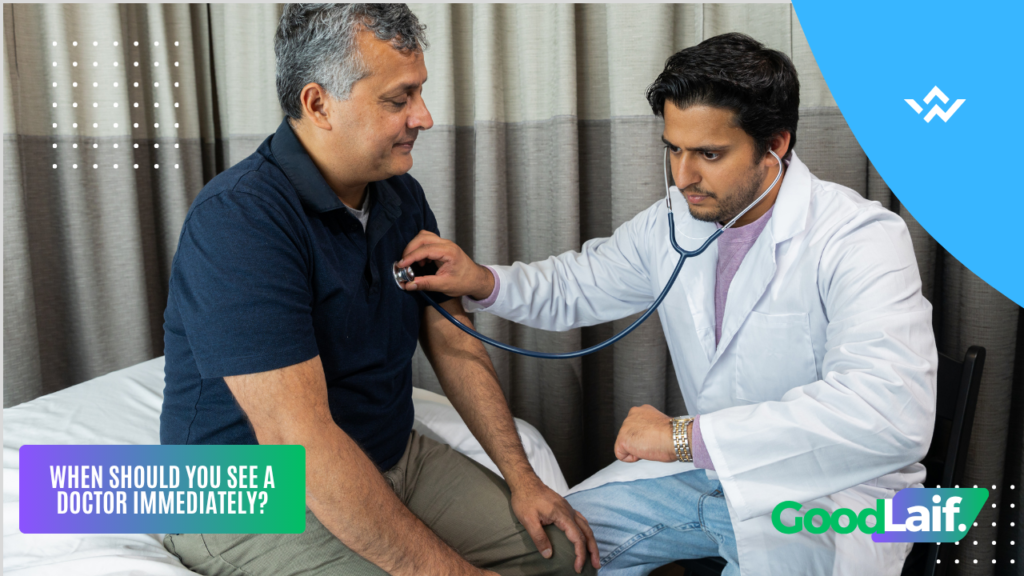
Seek emergency medical care if chest tightness is accompanied by any of the following:
- Pain spreading to the arm, shoulder, neck, jaw, or back.
- Increasing shortness of breath.
- Cold sweats, nausea, or vomiting.
- Fainting or feeling like you might faint.
- Symptoms lasting more than 10–15 minutes or occurring repeatedly.
These signs may indicate a medical emergency that requires immediate treatment.
Is Chest Tightness Always Serious?
Not always. In some cases, chest tightness is caused by stress, muscle strain, or digestive problems. However, because the symptoms can resemble those of heart or lung disease, you should still see a doctor if the cause is unclear or the symptoms keep coming back.
Avoid diagnosing yourself based only on symptoms, as the underlying cause can vary from person to person.
Read Also : Central Chest Pain: Is It Dangerous or Not for Your Health?
Conclusion
Chest tightness can result from a wide range of conditions, from relatively mild problems to serious medical emergencies. The key is not to panic, but also not to ignore the symptoms. Understanding the possible causes and recognizing warning signs are the first steps toward getting the right treatment.
If you’re unsure about the cause, schedule an appointment with a general practitioner for an evaluation. However, if chest tightness is accompanied by severe chest pain, shortness of breath, cold sweats, or pain spreading to the arm or jaw, go to the nearest emergency department immediately. Early medical evaluation can help ensure prompt treatment and reduce the risk of serious complications.