

In today’s digital era, the way we consume information has changed drastically. One increasingly common phenomenon is doomscrolling, a behavior where people continuously scroll through negative news or distressing content, especially on social media or online news platforms. Although it may seem like an effort to stay informed about global events, this habit can have significant psychological consequences, including its impact on a person’s capacity for empathy.
What Is Doomscrolling?
Doomscrolling refers to the tendency to constantly seek out and consume bad news, such as reports about disasters, conflicts, economic crises, or humanitarian tragedies. This activity is often done compulsively and unconsciously, even when the information being consumed triggers anxiety, stress, or feelings of helplessness.
Social media algorithms designed to increase user engagement tend to worsen this behavior by repeatedly presenting emotionally charged or sensational content. As a result, individuals may become trapped in a prolonged cycle of exposure to negative information.
Empathy: A Declining Capacity
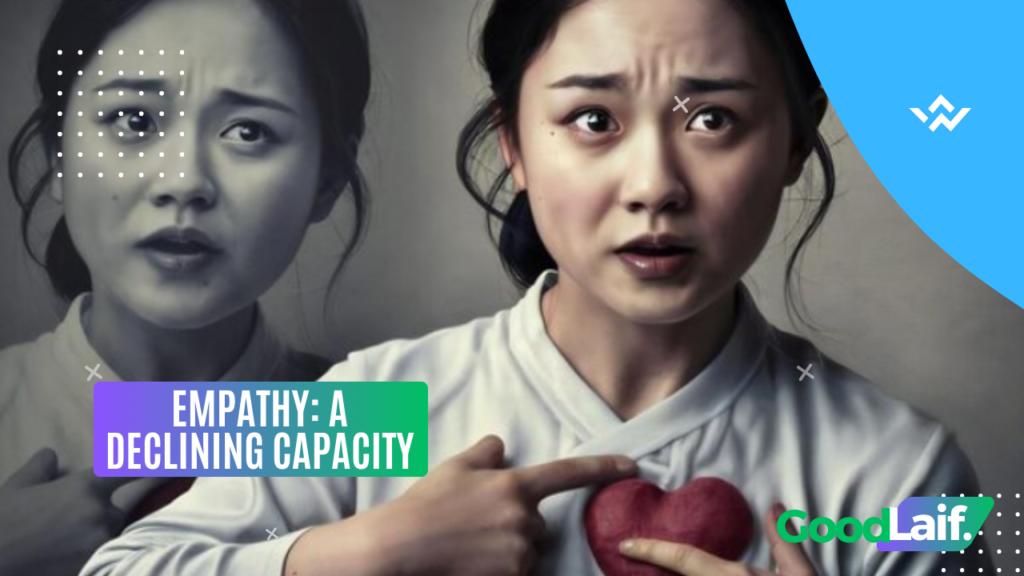
Empathy is the ability to understand and share the feelings of others. In social contexts, it plays a crucial role in building interpersonal relationships, solidarity, and compassion. However, excessive exposure to negative content through doomscrolling can lead to what is known as emotional numbing.
When individuals are constantly presented with news about suffering, the brain attempts to protect itself by reducing its emotional response to such stimuli. This psychological defense mechanis, known as desensitization, can, over time, diminish sensitivity to the suffering of others in real life.
Compassion Fatigue and Information Overload
Another phenomenon closely linked to doomscrolling is compassion fatigue. Originally used to describe the emotional exhaustion experienced by healthcare workers due to continuous exposure to patients’ trauma, this condition can also affect the general public in the digital age as a result of consuming large volumes of distressing content.
When individuals face an overload of information about global tragedies or crises, they may feel emotionally overwhelmed. Instead of fostering concern, excessive exposure can lead to apathy, cynicism, or even withdrawal from social issues altogether.
The Illusion of Caring in the Digital World
Doomscrolling can also create an illusion of social participation. People may feel they have shown concern simply by reading or sharing news about others’ suffering, even without taking any meaningful action. This can reduce motivation to become directly involved in social or humanitarian efforts.
Furthermore, digital interactions that lack emotional context, such as brief comments or reaction icons, cannot always replace the empathy built through face to face interactions. As a result, empathy may become shallow and performative.
Long-Term Effects on Social Relationships
If left unchecked, this habit can disrupt the quality of social relationships. Individuals experiencing emotional numbing may struggle to respond to the emotional needs of those around them. On a broader scale, this can erode social cohesion and weaken community solidarity.
A decline in empathy may also influence moral decision making, both personally and professionally. When the ability to recognize and feel others’ suffering diminishes, individuals may become less concerned about the social consequences of their actions.
Reducing the Negative Impact
Addressing the impact of doomscrolling on empathy requires awareness and mindful management of information consumption. Some steps that can be taken include:
- Limiting time spent on social media
- Choosing credible, non-sensational sources of information
- Balancing negative news with positive content
- Engaging directly in social or community activities
- Practicing mindfulness to enhance emotional awareness
By managing information consumption more wisely, individuals can maintain a balance between staying informed about global issues and preserving their emotional well-being.
Conclusion
Doomscrolling is not merely a harmless digital habit. Over time, constant exposure to negative content can erode empathy and affect the quality of social relationships. It is therefore important for individuals to become more conscious of how they interact with digital information, so they can continue to respond to the world with authentic and sustainable compassion.
READ ALSO ARTICLE: Nomophobia and Its Impact on Mental Health












+ There are no comments
Add yours