

Have you ever felt stiff or tired when starting a workout, even after doing light warm-ups? Many people skip one important step that can boost performance while preventing injuries: dynamic stretching. This simple technique has surprisingly powerful effects—from loosening muscles to improving body coordination simultaneously. But what exactly is dynamic stretching, and why do professional athletes rely on it before intense training?
What Is Dynamic Stretching?
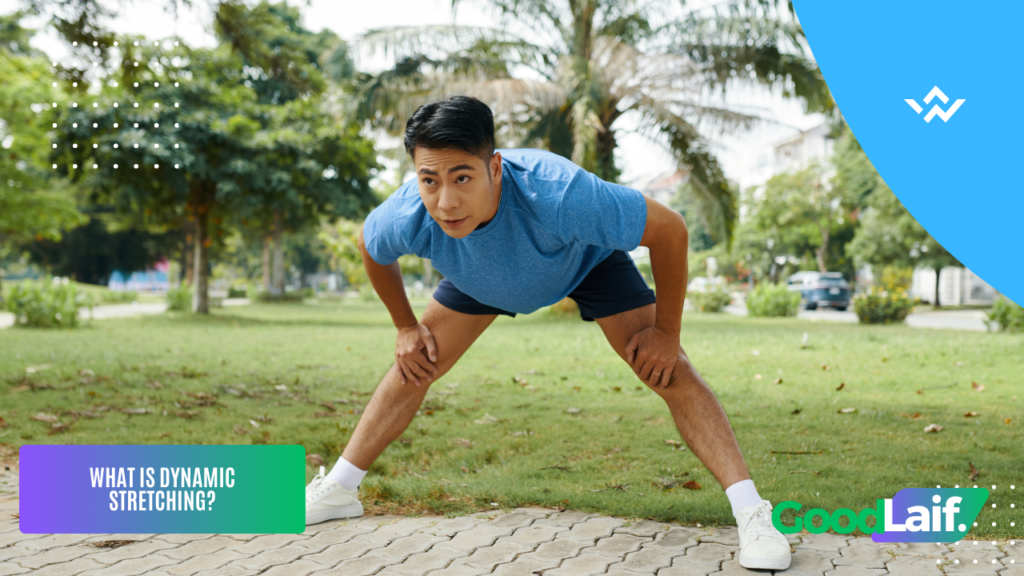
Dynamic stretching is a type of stretch that involves active, repetitive movements, unlike static stretching, which typically involves holding a position. Instead of just stretching the muscles, stretching prepares the muscles, joints, and nervous system for more demanding physical activity. Examples include leg swings, arm rotations, and walking high knees.
With these controlled movements, the body learns to adapt to more complex activity patterns. It’s no wonder professional athletes always include dynamic stretching in their warm-up routine, as its effects are far more effective than static stretching alone.
Main Benefits of Dynamic Stretching
1. Increases Blood Flow and Muscle Temperature
One of the most significant benefits of dynamic stretching is the increase in blood flow and muscle temperature. Warm muscles are more flexible, reducing the risk of injury such as strains or cramps. This stretching helps “activate” the major muscle groups so the body is ready for intense physical activity.
2. Improves Coordination and Balance
Repetitive, controlled movements help the brain and muscles communicate better, making movement patterns more efficient. This is especially important for athletes or anyone performing complex exercise movements, as dynamic stretching helps the body move more fluidly and reduces technical mistakes that may lead to injury.
3. Enhances Active Flexibility
Besides loosening the muscles, dynamic stretching helps improve functional flexibility. This flexibility allows the body to move more freely, reduces muscle tension, and prepares the body for exercises involving a full range of motion.
Examples of Dynamic Stretching You Can Try
Here are some simple movements you can perform before exercising:
High Knees: Walk or jog in place while lifting your knees as high as possible to increase leg strength and stability.
Leg Swings: Swing your legs forward–backward or side-to-side to open the thigh and hip muscles while improving balance.
Arm Circles: Rotate your arms forward and backward to loosen the shoulders and arm joints.
Walking Lunges: Take large steps while bending the knees to open the thighs and hips while improving coordination.
Perform these movements slowly and with control. Adjust the intensity based on your condition, and 5–10 minutes is usually enough to warm up the body and prepare it for activity.
Tips to Make Dynamic Stretching More Effective
- Focus on each movement—don’t rush.
- Maintain good posture during swings or lunges.
- Combine several movements to engage all major muscle groups.
- Do it regularly before exercising so the body becomes more adaptive and less prone to injury.
Read Also : Warm-Up Before Running to Prepare Your Body Safely
Conclusion
Dynamic stretching isn’t just a warm-up ritual—it’s an essential strategy to keep your body prepared and strong before engaging in physical activities. By doing it regularly, you’ll not only reduce the risk of injuries but also improve flexibility, coordination, and overall physical performance.
Before you start running, cycling, or strength training, don’t forget this simple yet crucial step: swing your legs, rotate your arms, and feel your body “wake up” for energetic activity. A body that is ready to move is the key to maximum performance and injury-free workouts.








+ There are no comments
Add yours